Frequency
2000
No user ratings available yet
Representation score: 1.1 out of 10
Representation Score
Limited
2004
RDirector
J. Mackye Gruber, Eric Bress
Runtime
113 minutes
Average Rating
No ratings yetNew Showbiz Analysis
The film operates as a conventional psychological thriller that prioritizes temporal mechanics and individual causality over social subversion. Its narrative structure relies heavily on established genre clichés and a narrow demographic focus. Representation is limited by a homogeneous cast and a straight-centered romantic framework. While the film touches on themes of mental health and trauma, these elements function primarily as plot devices to fuel the science fiction conceit rather than as deep explorations of lived experience. Ultimately, the work maintains a traditional Western perspective, lacking multi-layered depth or a critique of systemic social hierarchies.
Category Breakdown
The film maintains a strictly straight-centered structure, focusing exclusively on heterosexual relationships and ignoring any queer subtext or non-cisgender identities.
Gender roles follow traditional clichés, with the male protagonist acting as a protector and female characters serving as catalysts for the plot rather than exercising independent ability to act.
The cast is predominantly white and homogeneous, with the narrative lacking diverse ethnic perspectives and remaining centered within a traditional Western, middle-class social framework.
The story explores moral relativism through a fractured timeline, focusing on individual psychological instability rather than critiquing Western institutions like religion or capitalism.
Mental health and cognitive instability drive the thriller's mechanics, emphasizing the psychological toll of trauma rather than offering a nuanced look at neurodivergence.
Present on Screen
Limited or Absent
Official Synopsis
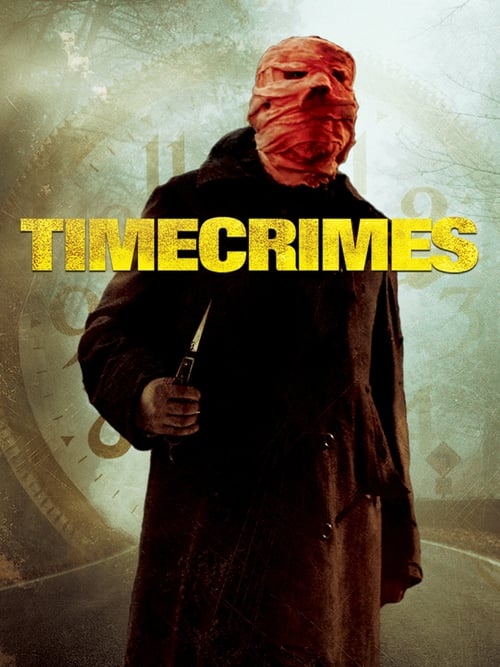
A young man struggles to access sublimated childhood memories. He finds a technique that allows him to travel back into the past, to occupy his childhood body and change history. However, he soon finds that every change he makes has unexpected consequences.
2000
1993
2006

2012
2007

1968

2021

2005
No reviews yet. Be the first to share your thoughts on this movie!
Use the rating form above to leave a star rating and optional review.