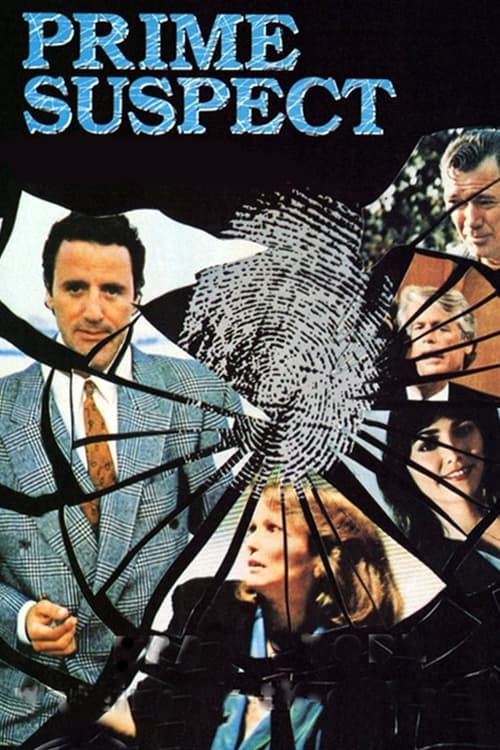
Prime Suspect
1989
No user ratings available yet
Representation score: 6.3 out of 10

Representation Score
Fair
1990
RDirector
Jag Mundhra
Runtime
105 minutes
Average Rating
No ratings yetNew Showbiz Analysis
Eyewitness to Murder operates within the established boundaries of 1990s genre cinema. While it centers on a female protagonist and a character with a sensory disability, these elements are used to facilitate traditional thriller mechanics rather than to challenge social norms. The film relies heavily on clichés of vulnerability and institutional proceduralism. The protagonist's disability and gender are primarily utilized to create peril and a need for male protection, reinforcing conventional power dynamics. Ultimately, the work lacks depth in reflecting multiple aspects of identity or systemic challenges. It functions as a standard thriller that prioritizes suspense and traditional justice narratives over diverse or representative storytelling.
Category Breakdown
The film does not include any visible LGBTQ+ characters or non-cisgender identities. It follows a conventional thriller structure that does not challenge the assumption that everyone is straight or cisgender.
A female artist drives the plot, but her role is diminished by physical trauma. The narrative relies on traditional clichés where her strength is secondary to her role as a victim.
The film adheres to the standard 1990s Western thriller conventions. There is no indication of a diverse or non-Anglo-Saxon majority cast within the provided context.
The story utilizes a standard law and order framework. It focuses on institutional justice through overworked detectives rather than challenging Western institutional morality.
The protagonist's blindness serves as a central plot device to heighten tension. However, the disability is tied to victimization rather than being portrayed as a source of independent ability to act.
Present on Screen
Limited or Absent
Official Synopsis
A beautiful artist stumbles onto a murder just as the killer is leaving. After he levels a brutal blow to her head, she wakes up blind, and the only witness to the murder. Now in the frightening darkness, she must find her way through a dangerous world where killers stalk the innocent and cops are scarce. Two overworked, angry detectives are assigned to hunt down the killer, and to keep the witness safe.
1989
2011
2002
1971
1992
2018
1999
1950
No reviews yet. Be the first to share your thoughts on this movie!
Use the rating form above to leave a star rating and optional review.