Diary of a Chambermaid
1964
No user ratings available yet
Representation score: 7.0 out of 10
Representation Score
Good
1975
Director
Vicente Aranda
Runtime
101 minutes
Average Rating
No ratings yetNew Showbiz Analysis
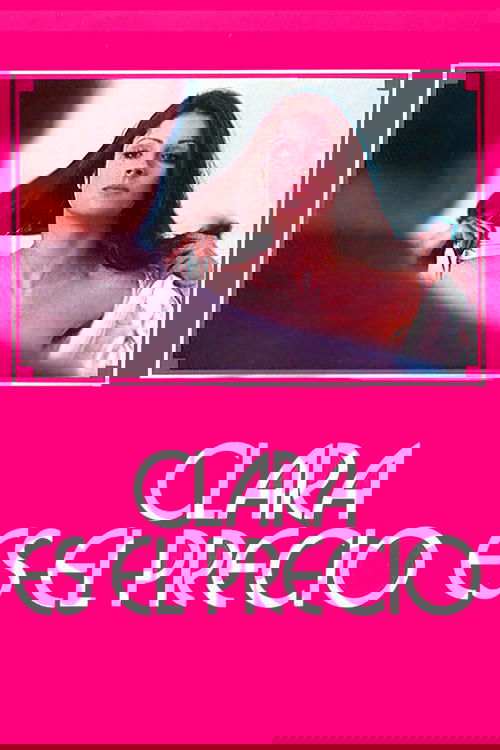
The film excels at deconstructing traditional gender roles and the myth of the stable nuclear family. By centering a woman's role in a failing marriage, it challenges mid-70s social expectations. However, the work is limited by its demographic homogeneity. The lack of racial diversity and queer representation keeps the narrative within a narrow, localized European framework. Ultimately, the film is a study of survival and systemic failure rather than a broad inclusive portrait.
Category Breakdown
The film does not include explicit LGBTQ+ identities or non-straight relationships. It focuses on heterosexual marriage and transactional sexual dynamics rather than exploring queer perspectives.
Clara defies passive female stereotypes by leading her household's survival through high-stakes labor. The film challenges traditional masculinity by showing the husband as unable to provide or perform.
The production is a localized Spanish drama set in Costa Brava. It features a predominantly white, Western European cast with no evidence of diverse racial representation.
The story critiques the sanctity of marriage and the nuclear family as fragile institutions. It uses an American millionaire to criticize capitalist exploitation and blackmail.
Juan's impotence serves as a central plot driver. However, this functions more as a narrative device for conflict than a deep exploration of living with disability.
Present on Screen
Limited or Absent
Official Synopsis
In a city on Spain’s Costa Brava, Clara Valverde, a young beautiful woman, lives with her husband Juan. Juan is an architect and has planned a daring urbanistic project. In reality, the project is not viable. Clara, to keep her marriage and finances a float, works as a porno actress in an underground film industry. In spite of her job and her marriage, Clara is still a virgin. Her marriage has never been consummated because her husband is impotent for which she blames herself. In her work she does not allow to be penetrated. One day she goes to a reunion with Kellerman, an American millionaire who seems to be interested into put into fruition Juan’s project. However soon Clara learns that what he really wants is to blackmail her. The owner of the house, Jorge, finds out Claras’s real occupation and if she does not have sex to the American would tell everything to her husband.
1964

1967
1972

1991
1975
1970
1971

1969
No reviews yet. Be the first to share your thoughts on this movie!
Use the rating form above to leave a star rating and optional review.