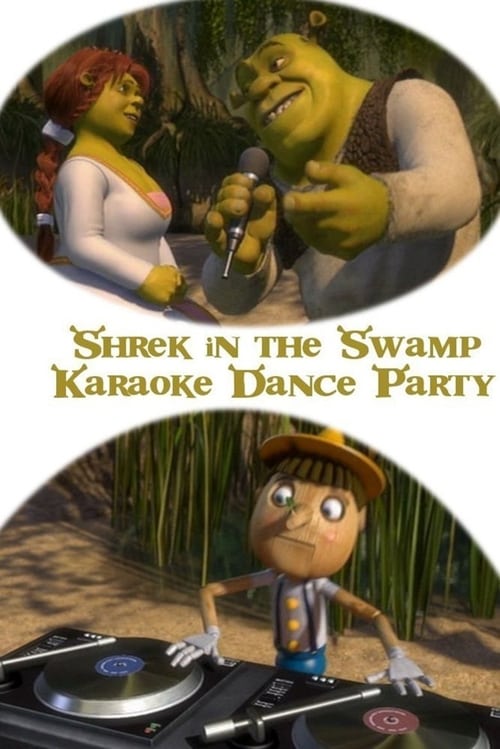
Shrek in the Swamp Karaoke Dance Party
2001
No user ratings available yet
Representation score: 6.7 out of 10
Representation Score
Good
2004
GDirector
Simon J. Smith
Runtime
10 minutes
Average Rating
No ratings yetNew Showbiz Analysis
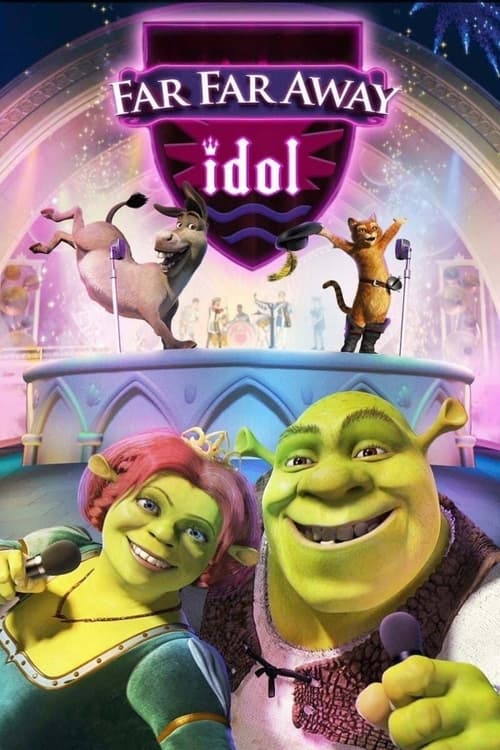
Far Far Away Idol succeeds by using its fantasy setting to challenge classical fairy tale archetypes. By replacing traditional monarchy with a commercial singing competition, the film critiques social hierarchies and celebrity culture through a modern, irreverent lens. The film achieves strong demographic inclusion by using a wide array of non-human species as metaphors for diverse groups. This allows for a broad, inclusive ensemble that avoids the narrowness of standard folklore. While gender representation is strong through characters like Fiona, the film lacks specific evidence regarding LGBTQ+ identities or intentional disability representation. The focus remains largely on the musical spectacle and cliché subversion.
Category Breakdown
The film operates within a franchise known for challenging traditional assumptions about straight relationships. However, this specific musical competition lacks explicit, documented storylines centered around LGBTQ+ identities.
Princess Fiona stands out as a strong character who defies the damsel in distress stereotype. The competition format allows female characters to take charge and shape the action through their intelligence and strength.
The fantasy setting uses diverse anthropomorphic species as metaphors for various social groups. This species-based casting avoids the limitations often found in traditional Western folklore.
The narrative critiques celebrity culture and monarchy through a commercialized singing competition. It favors a secular, irreverent approach to classic folklore and traditional authority.
It is unclear if the unique physicalities of characters like Donkey or Puss in Boots serve as meaningful representations of disability or are simply part of their comedic character designs.
Present on Screen
Limited or Absent
Official Synopsis
Shrek, Fiona, Donkey, Puss in Boots, and the rest of the Far Far Away Kingdom battle it out in a singing competition.
2001
2014
2016
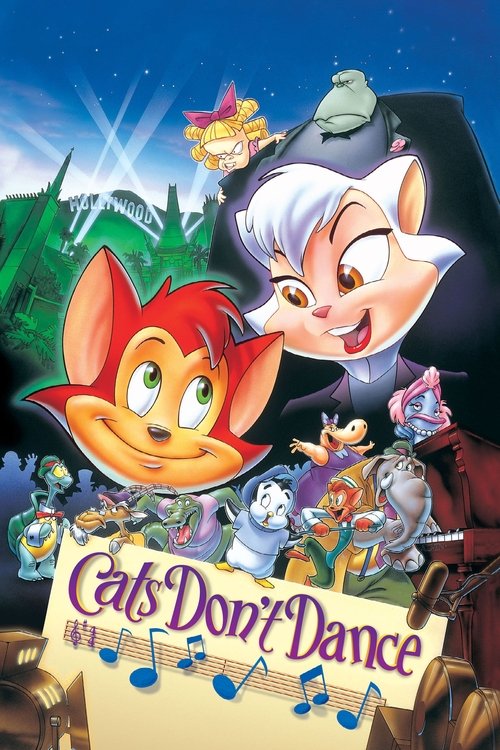
1997
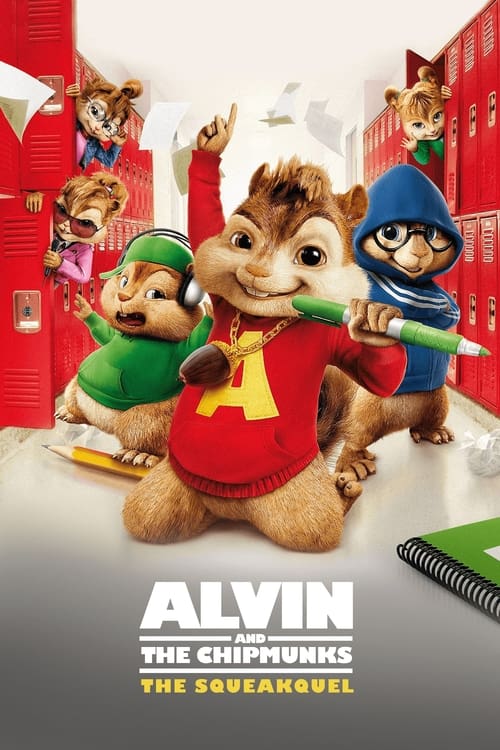
2009
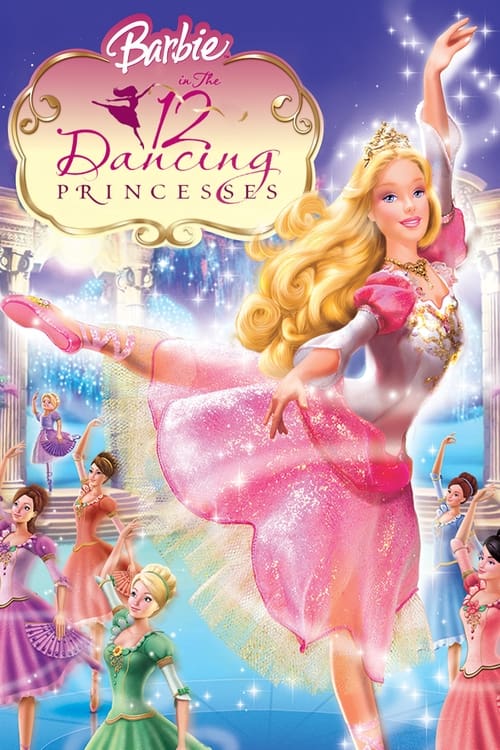
2006
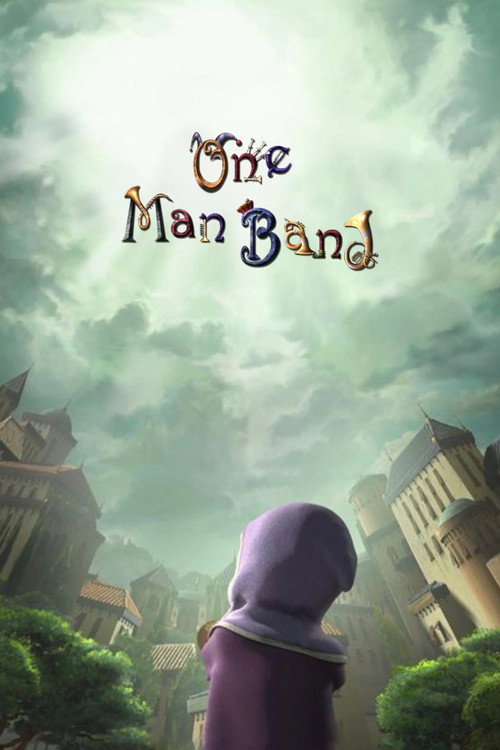
2005

2004
No reviews yet. Be the first to share your thoughts on this movie!
Use the rating form above to leave a star rating and optional review.