Sharkdog’s Fintastic Halloween
2021
No user ratings available yet
Representation score: 4.8 out of 10
Representation Score
Minimal
2026
NRDirector
Verena Fels
Runtime
82 minutes
Average Rating
No ratings yetNew Showbiz Analysis
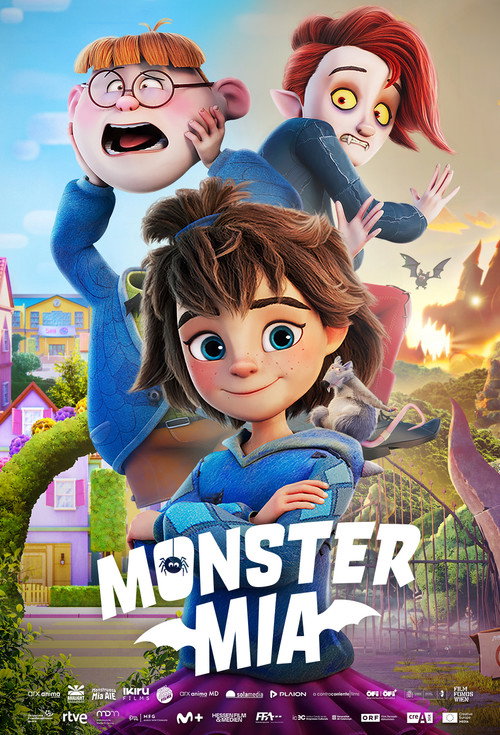
Monster Mia opens with a 12-year-old girl and her rat, exiled from normalcy to a school for monsters. The film’s argument is simple: institutions that enforce conformity (human school) are hostile, while those that accept difference (Rotwood Academy) are safer, despite their own prejudices. The sold meaning is that "otherness" is a burden to be managed, not a trait to be celebrated. Mia’s competence is tested not by her humanity, but by her ability to perform monstrosity. The ending likely affirms her place in the academy, suggesting that adaptation to a new hierarchy is the only path to safety. The film’s cultural critique is mild, targeting the vice principal’s bigotry without challenging the academy’s fundamental structure. It is a standard fish-out-of-water tale where the "monster" label is a social construct, but the resolution reinforces the value of fitting in. The camera loves Mia’s resourcefulness, but the narrative ultimately rewards her compliance with the academy’s rules. The film is a gentle, low-stakes adventure that uses the monster trope to explore belonging, but it does not push against traditional hierarchies of normalcy. The last image likely shows Mia accepted, her human identity a secret she must keep, affirming the academy’s authority over her personal truth.
Category Breakdown
No queer characters or same-sex intimacy appear. The narrative focuses entirely on the human-monster dichotomy, leaving gender non-conformity absent from the cast and synopsis.
Mia is the competent protagonist navigating the academy, while her parents remain passive background figures. Female students like Penelope are present, but gender dynamics are secondary to the species conflict.
The cast is predominantly German-speaking with no explicit on-screen racial diversity noted. The setting is a specific European academy, limiting the scope of ethnic representation.
The film critiques institutional authority through the villainous Vice Principal Van Vlad, who dislikes humans. Family is treated as a source of problems, pushing Mia into the "monster" world.
No characters are depicted with physical, mental, or sensory disabilities. The "monster" status is a fantasy trait, not a disability allegory.
Present on Screen
Limited or Absent
Official Synopsis
12-year-old Mia and her scruffy pet rat Quentin are sent to the mysterious Rotwood Academy after one too many problems at school. The new school gives her the creeps, and Mia needs to figure a way out before the students realize she isn't a monster like them! But the vice principal Van Vlad hosts a particular dislike for humans, and Mia is scared he has seen through her act...
2021
2021
2013

2024
2010
2015
2021
2021
No reviews yet. Be the first to share your thoughts on this movie!
Use the rating form above to leave a star rating and optional review.