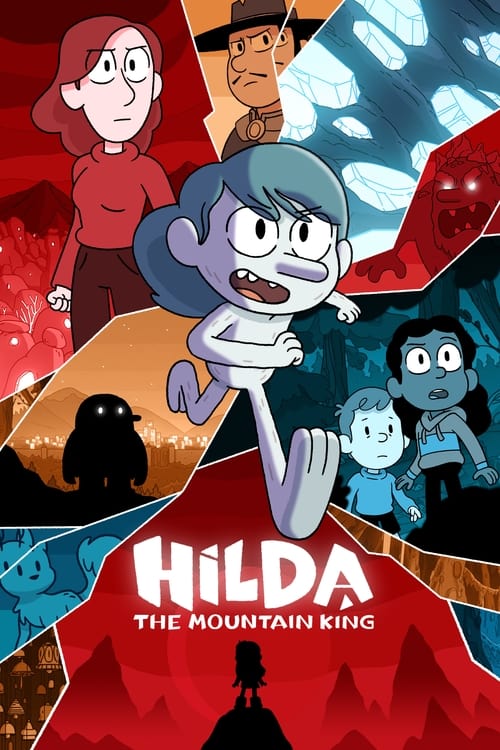
Hilda and the Mountain King
2021
No user ratings available yet
Representation score: 8.9 out of 10

Representation Score
Excellent
2024
PGDirector
Vicky Jenson
Runtime
111 minutes
Average Rating
No ratings yetNew Showbiz Analysis
Spellbound leverages Vicky Jenson’s history of subverting fairy tale clichés to center a female protagonist with significant narrative ability to act. The film actively critiques traditional patriarchal structures by depicting male advisors as incompetent, thereby elevating female leadership and intellect. This structural shift provides a strong foundation for progressive gender dynamics, moving beyond simple empowerment to systemic critique. Casting choices significantly bolster racial and ethnic diversity, placing actors of color in central, non-token roles within a fantasy setting. This challenges the genre's Anglo-centric history by normalizing diverse royalty. However, LGBTQ+ representation remains largely implicit in casting rather than explicit in plot, limiting its impact. Similarly, disability representation relies on a metaphorical 'curse' narrative that prioritizes a cure over acceptance, weakening its progressive stance in this category. The film’s strength lies in its deconstruction of authority and emphasis on individual familial bonds over institutional power. While the handling of disability and LGBTQ+ themes lacks explicit depth, the robust gender and racial representation, combined with the director’s intentional subversion of norms, creates a cohesive narrative that aligns with modern inclusive values.
Category Breakdown
The film features well-known LGBTQ voices such as Tituss Burgess and Jenifer Lewis, indicating an inclusive atmosphere. However, the story does not include explicit same-sex relationships or non-cisgender identity markers, which limits on-screen representation to vocal diversity.
Princess Ellian leads the story who play a significant role in driving the story, subverting the passive damsel cliché. The narrative criticizes patriarchal bureaucratic structures through ineffective male advisors, positioning female intellect and action as the competent solution to the kingdom's problems.
A diverse cast including Rachel Zegler and Jenifer Lewis normalizes non-white presence in fantasy. These actors play central roles in royal lineage, challenging the historical norm of homogeneous white casts in fairy tales without relying on including someone from a minority group without giving them real depth.
The film critiques traditional Western institutions of power by portraying royal advisors as ineffective. It emphasizes personal ability to act and familial bonds over systemic authority, using magical metaphors to explore individual responsibility rather than singular moral ideologies.
Parents transformed into monsters may metaphorically represent disability, but the narrative frames this as a curse to be reversed. This 'cure' approach risks reinforcing ableist clichés, as the condition is not celebrated as a permanent state of being with inherent ability to act.
Present on Screen
Limited or Absent
Official Synopsis
When a powerful spell turns her parents into giant monsters, a teenage princess must journey into the wild to reverse the curse before it's too late.
2021
2022

2024
2024

2017
2004
2021
2017
No reviews yet. Be the first to share your thoughts on this movie!
Use the rating form above to leave a star rating and optional review.