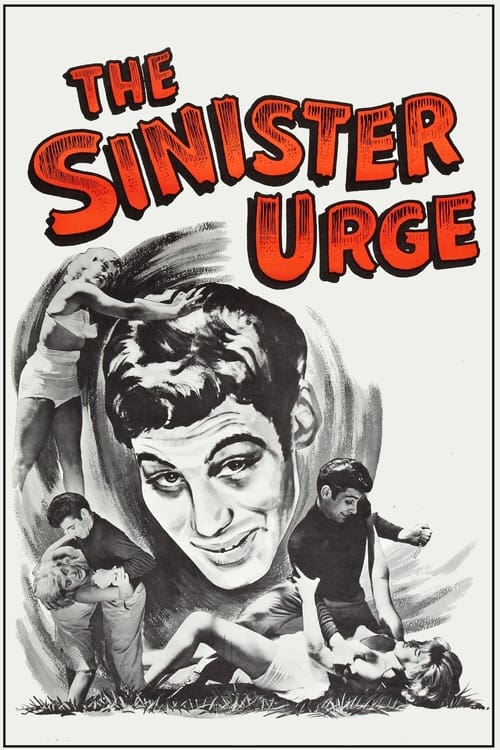
The Sinister Urge
1960
No user ratings available yet
Diversity score: 4.1 out of 10
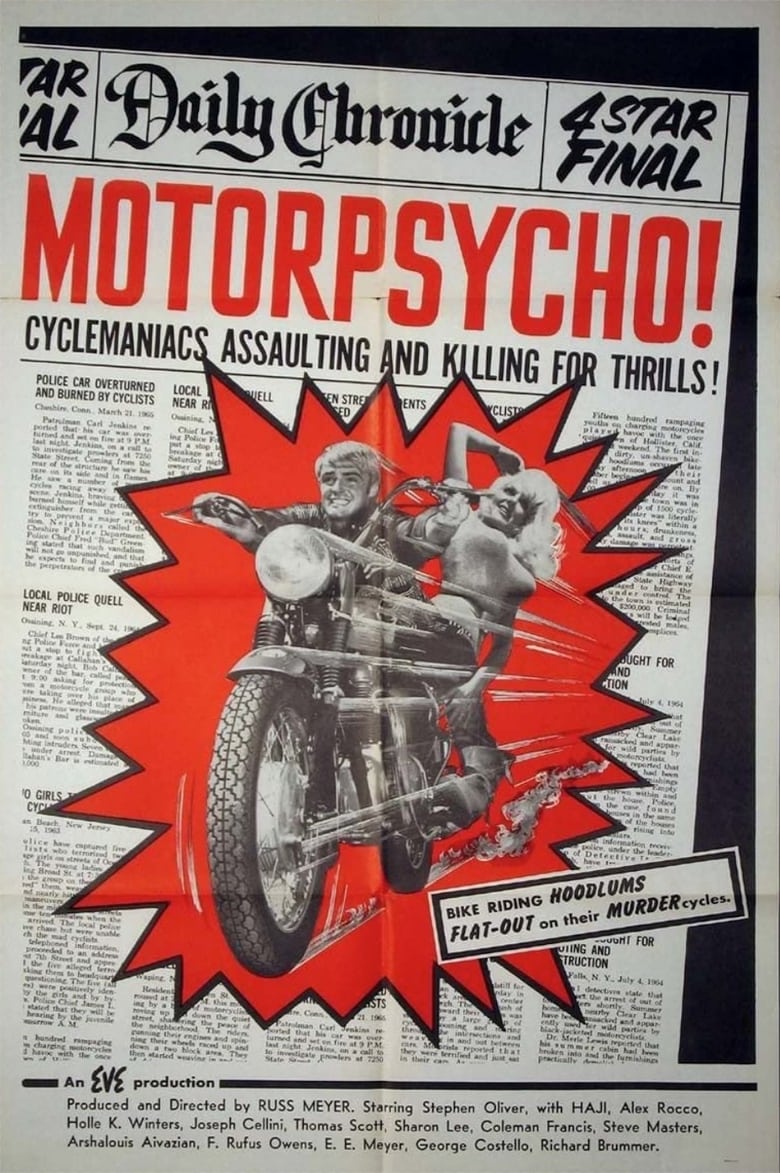
1965
Director
Russ Meyer
Runtime
74 minutes
Average Rating
No ratings yetSynopsis
A biker gang, led by a Vietnam veteran, rapes a veterinarian's wife. When the man decides to seek revenge and hunt down the perpetrators himself, he ends up joining forces with a Cajun woman whose husband they killed.
Overall Score
Limited
Category Breakdown
LGBTQ+ Representation
The film lacks explicit LGBTQ+ characters or non-heteronormative identities. Interpersonal dynamics focus strictly on heteronormative sexual tension and conflict.
Gender Representation
Protagonists exhibit high levels of sexual agency and assertive behavior. This disrupts mid-century expectations of submissive femininity by centering the plot on female-driven conflict.
Racial & Ethnic Diversity
The cast is largely homogeneous, reflecting standard 1960s industry practices. There is a lack of significant racial or multi-ethnic representation.
Religious & Cultural Diversity
The narrative challenges singular Christian morality by centering themes of sexual transgression. It prioritizes individual impulse over traditional communal or institutional stability.
Disability Representation
There is no discernible representation of physical, sensory, or neurodivergent disabilities within the primary character arcs or supporting cast.
Strengths
Areas for Improvement
AI Analysis
Motorpsycho! operates as a genre piece that uses sexual liberation to challenge mid-century social structures. It finds its strength in subverting gendered passivity, presenting women with an assertiveness rarely seen in mainstream 1960s crime dramas. However, the film remains limited by the era's casting norms. It offers almost no racial diversity or LGBTQ+ representation, keeping the narrative strictly within heteronormative and homogeneous bounds. Ultimately, the film provides a subtle critique of rigid institutionalism through its focus on non-conformity, even if it remains confined to the aesthetics of the exploitation genre.
1960
1959

1961
1957
1974
1956
1971
1974

1981
1972
1980
1970
No reviews yet. Be the first to share your thoughts on this movie!
Use the rating form above to leave a star rating and optional review.