Blame It on Mum
2009
No user ratings available yet
Representation score: 4.3 out of 10

Representation Score
Limited
2013
PG-13Director
Nicolas Bary
Runtime
92 minutes
Average Rating
No ratings yetNew Showbiz Analysis
The Scapegoat offers a nuanced look at a non-traditional family unit that operates outside standard social expectations. By centering on a 'professional scapegoat,' the film explores the tension between individual control and systemic authority. The narrative succeeds in disrupting conventional domestic roles, particularly through the mother's autonomy and the protagonist's complex social identity. This provides a refreshing departure from highly regulated social narratives. However, the film's diversity profile is limited by a lack of explicit information regarding racial, ethnic, or disability representation. The focus remains primarily on social and gendered subversions.
Category Breakdown
The film suggests non-traditional domestic arrangements through the mother's frequent romantic escapades. Queer identities are not explicitly confirmed, but the narrative moves away from the assumption that everyone is straight or cisgender.
The story challenges traditional gender roles by portraying the mother as an independent agent of her own desires. Benjamin also subverts the traditional provider archetype by taking on the role of a burdened caretaker.
The provided narrative details do not offer information regarding the racial or ethnic composition of the Malaussène family or the supporting cast.
The film critiques social institutions by presenting the protagonist as a target of systemic suspicion. It deconstructs traditional, orderly Western family models in favor of a more chaotic structure.
There is no information available regarding characters with visible or invisible disabilities within the provided context.
Present on Screen
Limited or Absent
Official Synopsis
There is something strange - some would even say abnormal - about the Malaussène family. But if you take a closer look, no one could be happier than this cheerfully chaotic family, even though their mother is usually off on one romantic adventure or another. Life is never a bore for Benjamin Malaussène, professional scapegoat and the older brother responsible for this horde of kids. But when incidents happen wherever he goes, police and colleagues begin to eye him suspiciously. It soon becomes a matter of life and death to find out what is going on and who is so interested in ruining his life. Written by Pathe International
2009

2013
2005
2016
2016
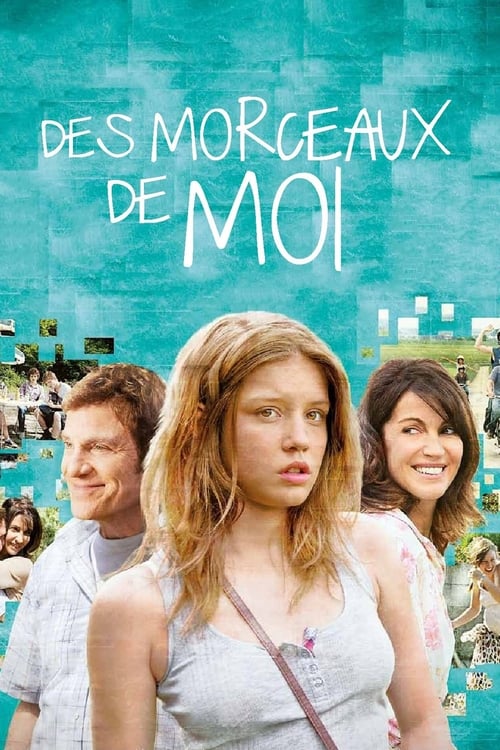
2013
2016
2010
No reviews yet. Be the first to share your thoughts on this movie!
Use the rating form above to leave a star rating and optional review.