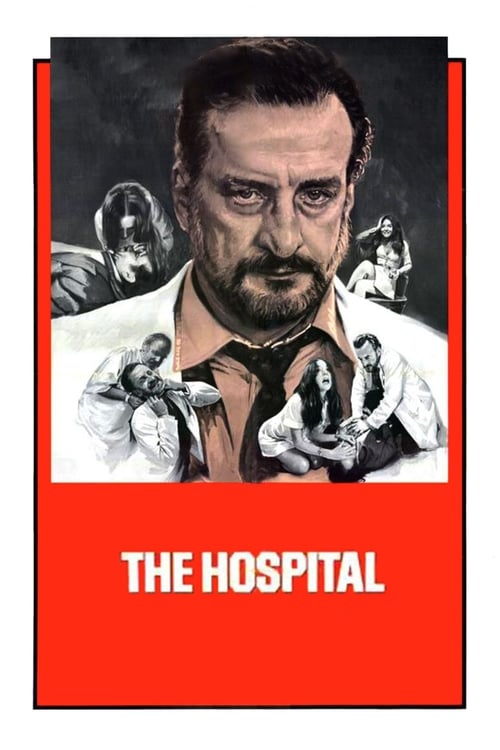
The Hospital
1971
No user ratings available yet
Representation score: 6.6 out of 10

Representation Score
Good
1997
RDirector
Sidney Lumet
Runtime
107 minutes
Average Rating
No ratings yetNew Showbiz Analysis
Sidney Lumet’s film serves as a sharp interrogation of institutional corruption and the friction between morality and systemic power. It excels at deconstructing the bureaucratic hierarchies of the medical-legal complex, offering a sophisticated critique of how capital influences human welfare. While the film provides professional ability to act for women, it remains limited in its exploration of other identities. The narrative lacks depth regarding LGBTQ+ representation and treats disability as a functional plot device rather than a lived experience. Ultimately, the work is a study of situational ethics. It succeeds as a social critique of Western professional institutions, even if it misses opportunities for broader characters who reflect more than one aspect of diversity.
Category Breakdown
The film lacks prominent LGBTQ+ characters or storylines. Queer identities are not represented in the central medical-legal conflict or character arcs.
Women play significant roles within the medical hierarchy, showing intelligence and competence. The film avoids domestic stereotypes, focusing instead on professional roles.
The ensemble reflects urban diversity typical of a New York City hospital. However, race is not a primary driver of the plot or narrative.
The story critiques capitalist and institutional structures, prioritizing ethics over corporate reputation. It explores the tension between individual conscience and corrupt bureaucracy.
A comatose patient serves as the central plot catalyst. However, the character lacks independent ability to act, functioning primarily as a device for legal conflict.
Present on Screen
Limited or Absent
Official Synopsis
Werner Ernst is a young hospital resident who becomes embroiled in a legal battle between two half-sisters who are fighting over the care of their comatose father. But are they really fighting over their father's care, or over his $10 million estate? Meanwhile, Werner must contend with his nutty supervisor, who insists that he only care for patients with full insurance. Can Werner sidestep the hospital's legal team and do what's best for the patient?
1971

2021

1984
2003

2009
1996

2010
1982
No reviews yet. Be the first to share your thoughts on this movie!
Use the rating form above to leave a star rating and optional review.