
Surrogate
2008
No user ratings available yet
Representation score: 7.8 out of 10
Representation Score
Good
2013
Director
Raphaël Nadjari
Runtime
98 minutes
Average Rating
No ratings yetNew Showbiz Analysis
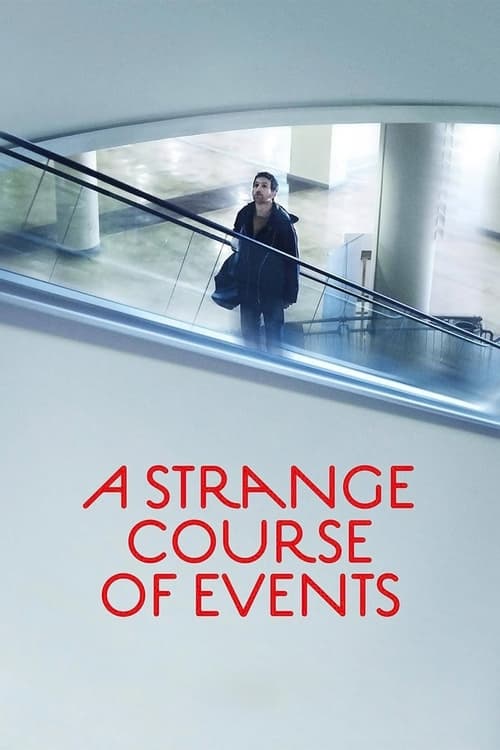
A Strange Course of Events is a character-driven study that prioritizes internal psychological landscapes over traditional plot structures. It succeeds in challenging traditional male roles by presenting a protagonist defined by vulnerability rather than strength. However, the film remains limited in its breadth of representation. The social environment appears homogeneous, lacking significant racial or LGBTQ+ diversity to challenge broader societal norms. Ultimately, the film's strength lies in its thematic exploration of identity fragmentation and the questioning of traditional authority through a secular, quasi-spiritual lens.
Category Breakdown
The story centers on a man's divorce and family reconciliation. It lacks explicit LGBTQ+ characters or narratives that challenge assumptions about straight relationships.
The film challenges traditional male roles by portraying a protagonist defined by emotional fragility. He relies heavily on others, including his father's partner, for stability.
The narrative focuses on a specific, relatively homogeneous familial unit. There is no evidence of diverse casting used to challenge social or occupational norms.
The film explores non-traditional coping mechanisms like magical stones and oils. It questions traditional authority by framing the parent-child relationship as a site of conflict.
While physical disabilities are absent, the film treats psychological malaise as a central, lived experience. It offers a nuanced look at mental health and emotional instability.
Present on Screen
Limited or Absent
Official Synopsis
Shaul (Uri Pepper), the film’s protagonist, a solitary divorced man, tries to overcome his difficult emotional state. He goes to see his father Shimon (Moni Moshonov) in Haifa and confronts him, blaming his father for all his current woes. Shimon and his partner Betty (Michaela Eshet), try to help Shaul with alternative methods, using stones with magical attributes and therapeutic oils. With their help, Shaul becomes much more optimistic…
2008

2007

2013

2015

2020

2011

2017
2017
No reviews yet. Be the first to share your thoughts on this movie!
Use the rating form above to leave a star rating and optional review.