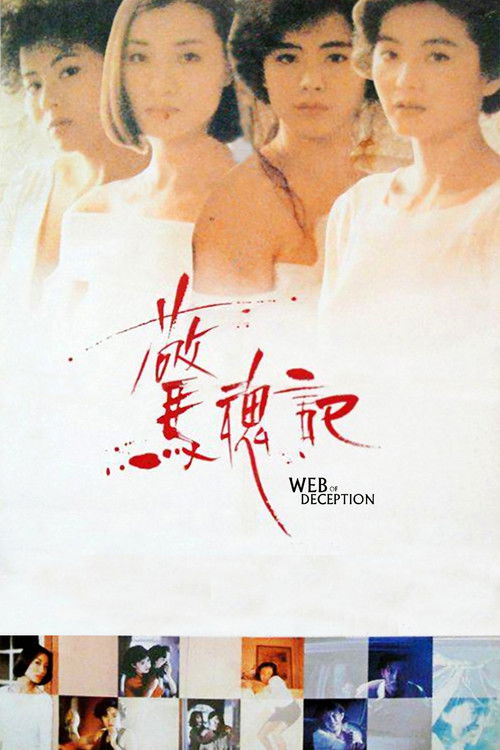
Web of Deception
1989
No user ratings available yet
Representation score: 1.6 out of 10
Representation Score
Fair
1983
Director
Zoran Tadić
Runtime
78 minutes
Average Rating
No ratings yetNew Showbiz Analysis
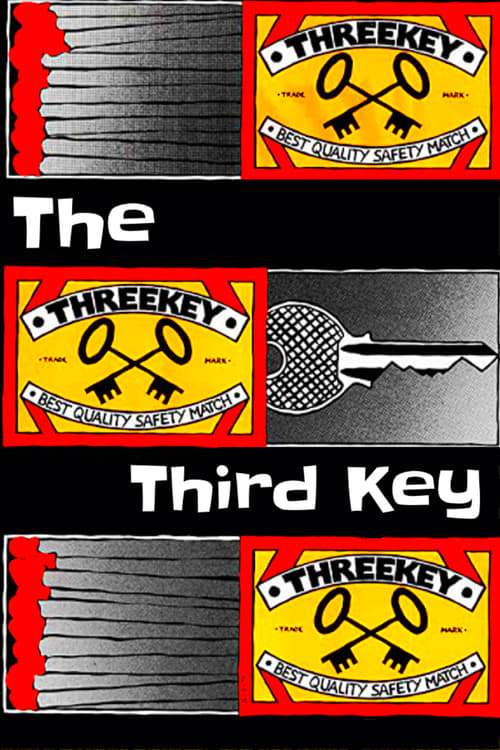
The Third Key serves as a critique of traditional social structures, particularly those related to gender roles and the stability of the nuclear family. By depicting a marriage fraught with debt, addiction, and infidelity, the film avoids the typical domestic archetypes of its time. However, its demographic homogeneity limits its broader impact, as it primarily focuses on a localized study of alienation.
Category Breakdown
The film focuses on complex past relationships and infidelity, challenging traditional relationship dynamics even though it doesn't explicitly identify LGBTQ+ characters. It explores unconventional relationship dynamics without labeling specific identities.
The film subverts traditional gender roles by showing both partners as vulnerable and struggling, rather than one being a stable provider. Dunja maintains control over her sexual history, while Zvonko deals with addiction and debt.
The setting and cast reflect a homogeneous Yugoslavian social environment. There is no evidence of multi-ethnic casting to disrupt the era's demographic norms.
The film critiques modern institutions and the impersonal nature of urban life, portraying capitalist advancement and the nuclear family as unstable and morally ambiguous.
The film addresses alcoholism but does not clearly define it as a medical condition. It does not feature any specific physical or cognitive disabilities.
Present on Screen
Limited or Absent
Official Synopsis
A young couple have settled in a new flat. Soon somebody begins watching them and they receive great amounts of money from an unknown sender.
1989
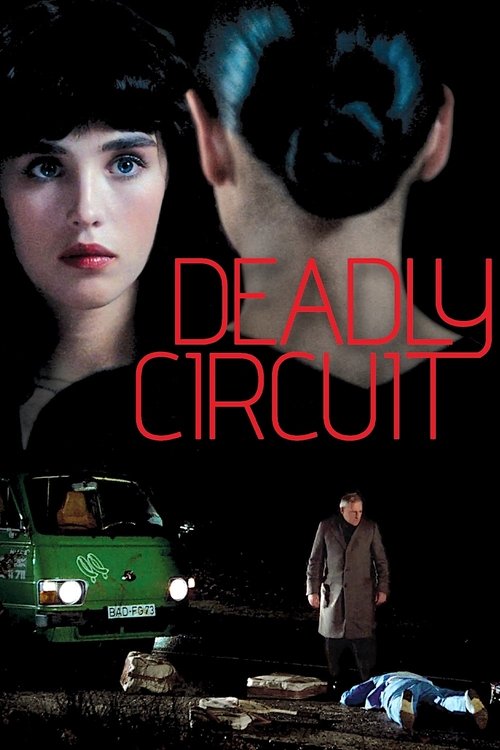
1983

2024
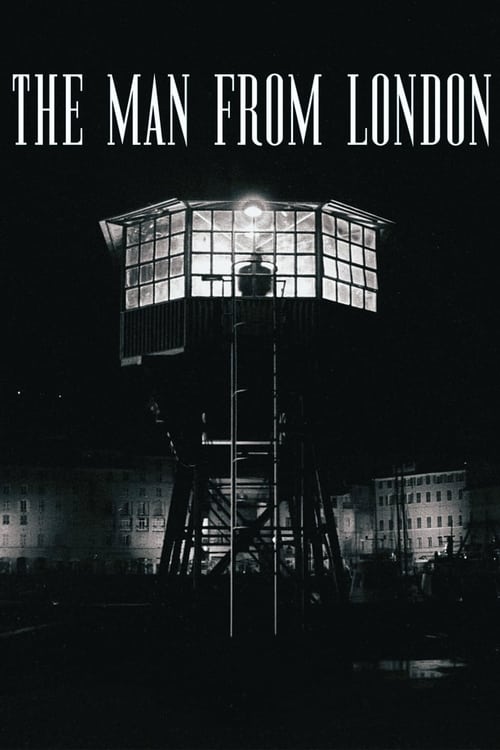
2008
1966
1992
2002
1940
No reviews yet. Be the first to share your thoughts on this movie!
Use the rating form above to leave a star rating and optional review.