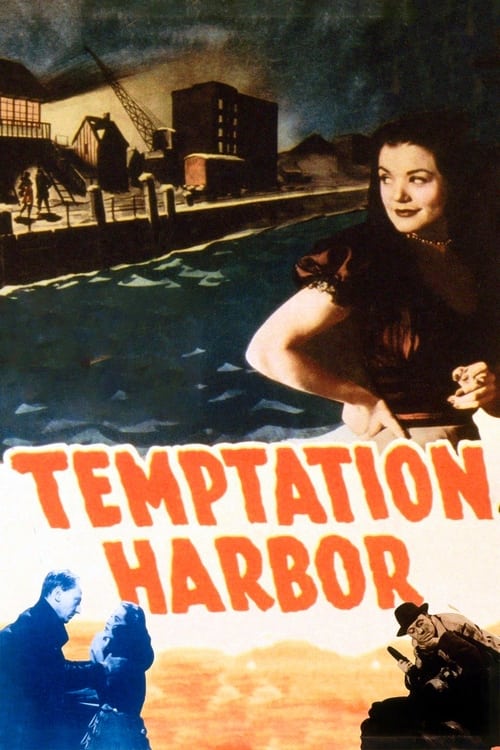
Temptation Harbour
1947
No user ratings available yet
Representation score: 2.3 out of 10
Representation Score
Fair
2008
Not RatedDirector
Béla Tarr
Runtime
139 minutes
Average Rating
No ratings yetNew Showbiz Analysis
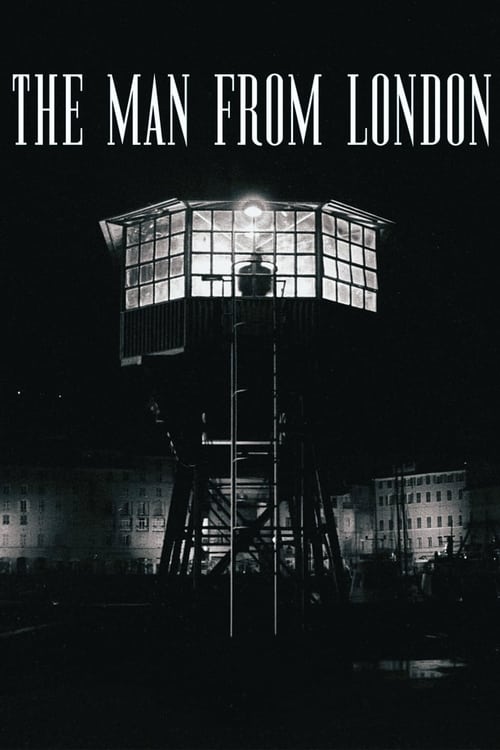
Béla Tarr’s work emphasizes a philosophical and systemic critique, focusing on capitalist and industrial frameworks. The film explores survival within a decaying system through moral relativism. While it offers a sophisticated critique of systemic issues, it lacks broad demographic representation, focusing instead on class-based identity and existential themes.
Category Breakdown
The film does not include any LGBTQ+ characters, maintaining a narrow focus on a masculine struggle for survival.
The story centers around a male protagonist, emphasizing a traditional masculine struggle. Women play minor or peripheral roles in the main conflict.
The setting is a homogeneous urban environment, lacking diverse ethnic identities or characters who reflect more than one aspect of diversity.
The film effectively critiques systemic structures and corrupt institutions, focusing on the urban underclass and the psychological toll of poverty.
The film does not explicitly represent neurodivergence or physical disabilities. However, it highlights the psychological impact of poverty, which serves as an environmental symptom rather than intentional representation.
Present on Screen
Limited or Absent
Official Synopsis
A switchman at a seaside railway witnesses a murder but does not report it after he finds a suitcase full of money at the scene of the crime.
1947

1959

2007
1947

2019

1989

1997

2009
No reviews yet. Be the first to share your thoughts on this movie!
Use the rating form above to leave a star rating and optional review.