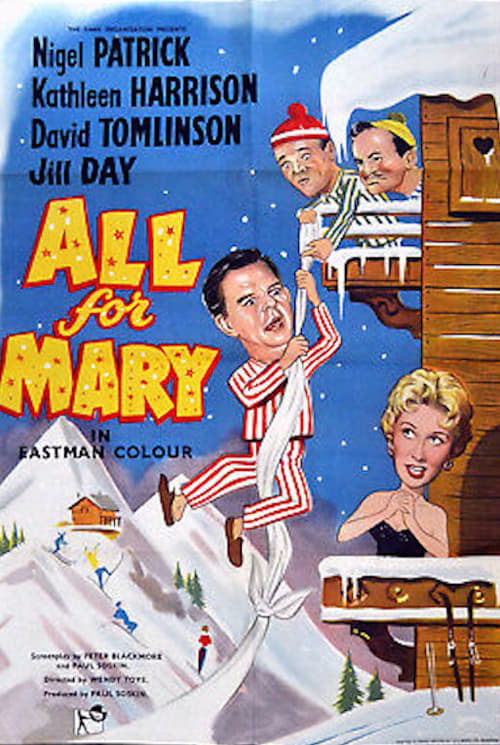
All for Mary
1955
No user ratings available yet
Representation score: 1.6 out of 10
Representation Score
Limited
1954
ApprovedDirector
Herbert Wilcox
Runtime
91 minutes
Average Rating
No ratings yetNew Showbiz Analysis
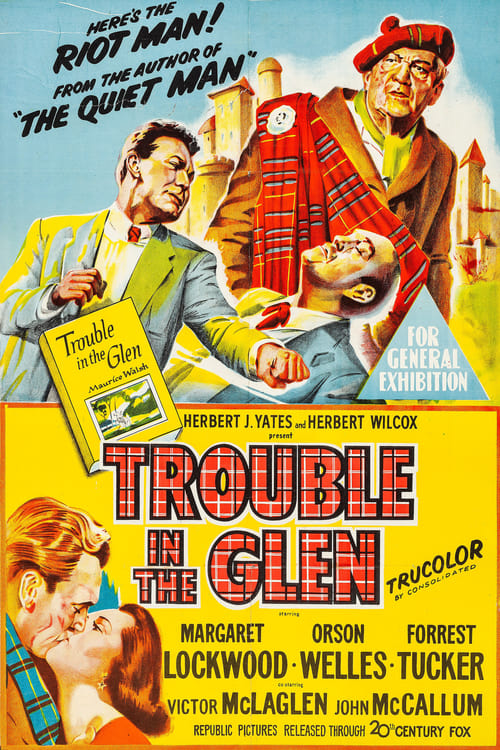
Trouble in the Glen adheres to the traditional storytelling norms of mid-century British cinema, focusing on established social hierarchies and romantic structures typical of the 1950s. Though the film introduces a South American character to provide ethnic complexity, it remains centered on Western, landed gentry values. The power dynamics favor male protagonists, limiting the independent narrative roles of female characters. Ultimately, the film reinforces rather than challenges the social and gendered status quo of its time.
Category Breakdown
The film follows traditional mid-century romantic structures and does not include any non-assuming gender matches what was assigned at birth identities or same-sex intimacy.
Male protagonists like Major Lansing and the Laird hold most of the narrative ability to act. Women play important roles but mainly as catalysts for male action.
The inclusion of a wealthy South American character adds ethnic complexity to the Highland setting, though the cast remains predominantly white and Anglo-Saxon.
The story upholds traditional Western social structures and the concept of ancestral inheritance, celebrating the reconciliation of familial and land-based legacies.
There are no visible depictions of physical or neurodivergent disabilities, and characters follow standard mid-century cinematic archetypes.
Present on Screen
Limited or Absent
Official Synopsis
Major Jim "Lance" Lansing, an American ex-pilot of the U.S. Air Corps, returns to Scotland after the war and finds much trouble in the glen where he settles because of the high-handed activities of the local laird, Sandy Mengues, a wealthy South American who, with his daughter Marissa, has returned to the land of his forefathers. Led by Lansing, the people eventually prevail upon Mengues to restore peace to the glen, but not before a brief and unconvincing fight between Lansing and Dukes, the Mengues foreman. Written by Les Adams
1955

1949
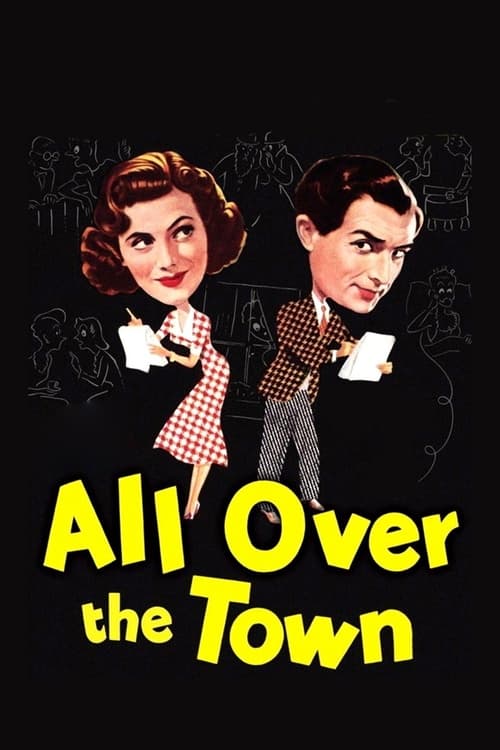
1949
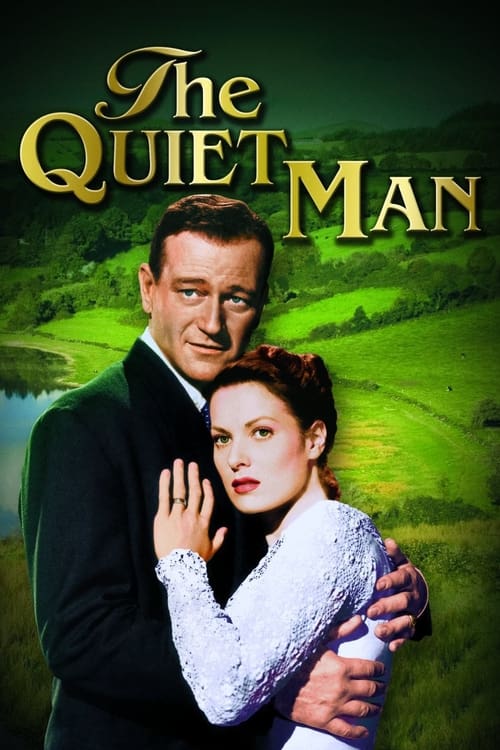
1952
1937
1949
1955
1964
No reviews yet. Be the first to share your thoughts on this movie!
Use the rating form above to leave a star rating and optional review.