
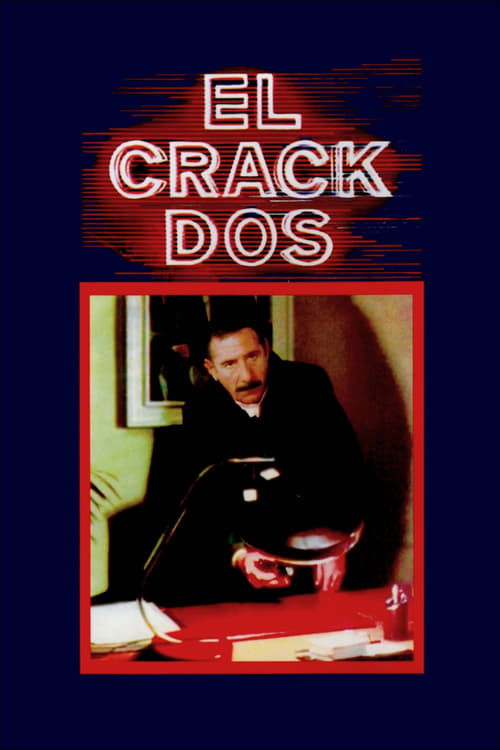
El crack
1981
No user ratings available yet
Representation score: 3.7 out of 10

Representation Score
Good
1967
Director
Gonzalo Suárez
Runtime
26 minutes
Average Rating
No ratings yetNew Showbiz Analysis
Gonzalo Suárez utilizes surrealism to challenge traditional social frameworks and heroic archetypes. The film functions as a piece of art-house cinema that prioritizes cerebral exploration over conventional realism. The narrative disrupts social stability by placing a logic-driven journalist in a chaotic, desolate world. This setting allows for a critique of systemic order through a lens of madness and individual subjectivity. While the film lacks modern markers of diversity, its structural approach to madness and institutional critique offers a sophisticated, if non-traditional, form of representation.
Category Breakdown
The film's surrealist setting offers a potential space for challenging traditional assumptions about sexuality and gender. However, there is no clear evidence of queer identities or non-straight relationships in the narrative.
The plot centers on a male protagonist, but his journey is driven by a mysterious female voice. This positioning makes the female presence a haunting catalyst for his vulnerability.
The production reflects the demographic homogeneity typical of 1967 Spain. There is no evidence of diverse racial or ethnic casting within this specific cinematic context.
The film critiques organized society through its depiction of a desolate, mad city. It prioritizes individual subjectivity and logic over traditional institutional authority and morality.
While no physical disabilities are mentioned, the focus on madness suggests an interest in psychological instability. This likely serves as an allegory for the human condition rather than a clinical stereotype.
Present on Screen
Limited or Absent
Official Synopsis
In a desolate world, in a city of madness, José Ditirambo is a wolf among wolves, a fury among furies, an intrepid journalist whose favorite weapons are humor and logic, until he embarks on a mission to find a woman he has heard asking for help through the pipes in his bathroom.
1981
1953
1948
1949
1956

2000
1983

2017
No reviews yet. Be the first to share your thoughts on this movie!
Use the rating form above to leave a star rating and optional review.