Captive
2008
No user ratings available yet
Representation score: 5.5 out of 10
Representation Score
Good
1998
Director
Aleksandr Nevzorov
Runtime
120 minutes
Average Rating
No ratings yetNew Showbiz Analysis
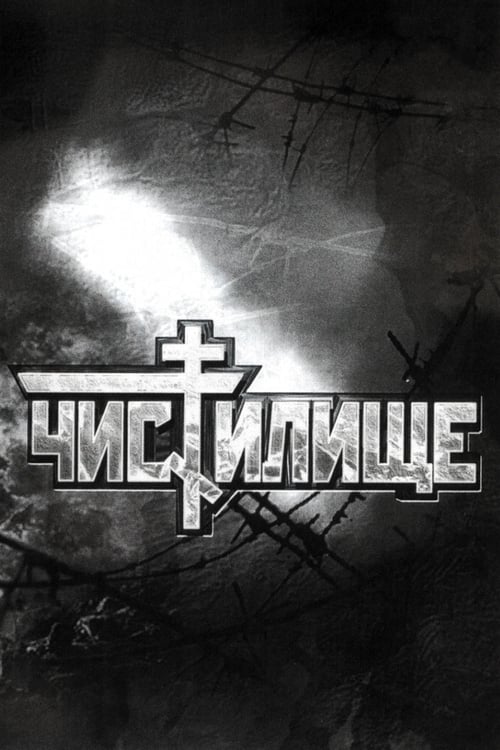
Purgatory is a bleak deconstruction of heroism and institutional stability, replacing traditional moral certainty with a landscape of systemic failure and raw survival. The film critiques state power through a narrow combat-focused lens. While it offers a sophisticated critique of traditional power structures, it remains tied to a hyper-masculine framework. The narrative lacks significant representation of LGBTQ+ and gender-diverse identities, focusing instead on a hyper-masculine perspective. However, it achieves depth by portraying the collapse of social and religious certainties during the Grozny Siege. Ultimately, the film's strength lies in its refusal to offer conventional comfort, emphasizing the chaotic breakdown of organized social systems.
Category Breakdown
The film centers on the harsh realities of a war zone, with no depiction of non-straight or non-cisgender identities or same-sex relationships.
The story unfolds within a highly masculine, combat-focused environment where women play minimal roles in the main plotlines, which are driven by male characters.
The film presents a nuanced view of ethnic conflict involving Russian forces, Chechen rebels, and international mercenaries, reflecting the complex geopolitical situation of the time.
The movie effectively dismantles state-centric institutions and traditional authority, showing military and political structures as fragmented and ineffective in providing moral guidance.
Physical injuries and bodily destruction highlight the brutal environment, serving as themes of human vulnerability rather than character-driven explorations of disability.
Present on Screen
Limited or Absent
Official Synopsis
This is a story about the battle for a hospital building in Grozny (Chechnya) in January 1995 between Russian Army forces and Chechen rebels supported by Arabian mujahideen and international mercenaries. Although the story is fictional, most of the characters are based on real-life prototypes and events are the compilation of true events during the Grozny Siege in the First Chechen War.
2008
2002
2019
1997
2019

2007
2017
2019
No reviews yet. Be the first to share your thoughts on this movie!
Use the rating form above to leave a star rating and optional review.