
Crossed Over
2002
No user ratings available yet
Diversity score: 4.9 out of 10
2016
TV-14Director
Isabelle Czajka
Runtime
85 minutes
Average Rating
No ratings yetSynopsis
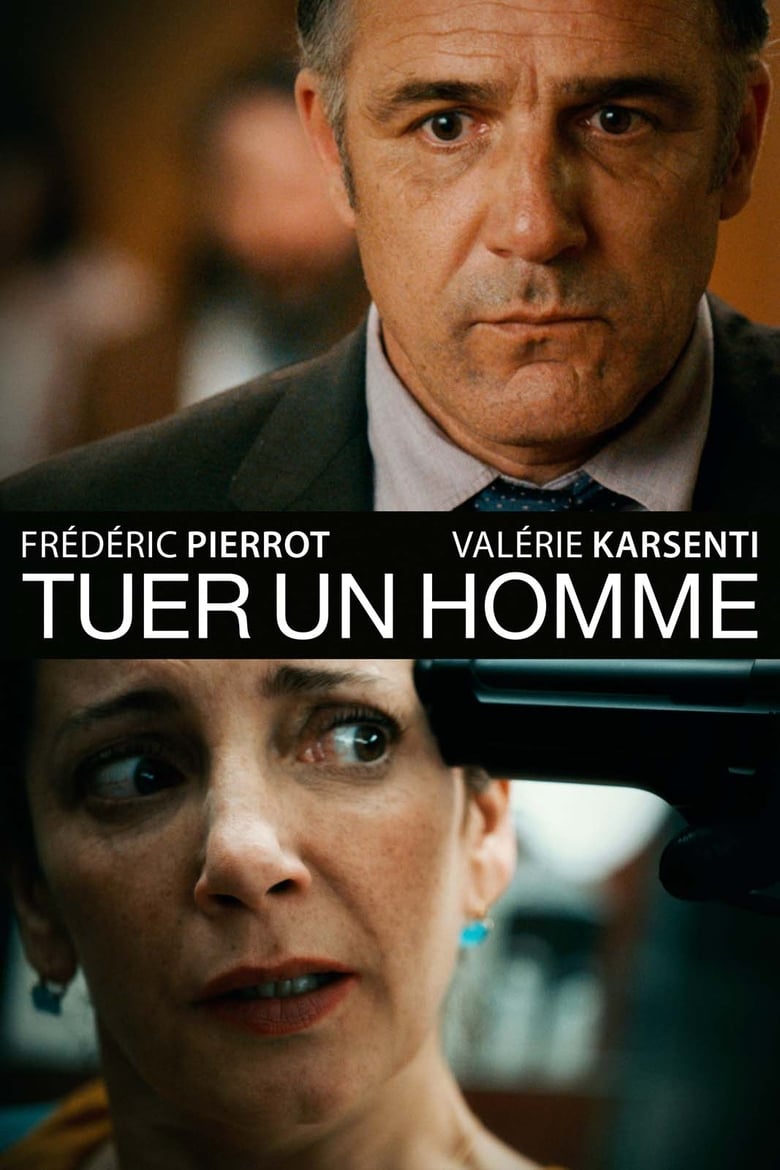
Italian jeweller Matteo Belmonte and his wife Christine are robbed for the third time in the space of a few months. With Christine in danger, Matteo fires two shots. The robber Rufin dies at the feet of Romy, the couple's daughter. Self-defense or not, Matteo has to learn how to survive after killing a man in front of his traumatised family.
Overall Score
Fair
Category Breakdown
LGBTQ+ Representation
The film centers on a traditional marital unit between Matteo and Christine. There is no visible evidence of queer-coded subtext or non-heteronormative identities within the narrative.
Gender Representation
The story subverts the protector archetype by focusing on the fallout of masculine agency. Matteo's attempt at traditional defense leads to domestic instability rather than heroic triumph.
Racial & Ethnic Diversity
The narrative maintains a Eurocentric focus, centered on an Italian protagonist. While the antagonist's name suggests a different background, the film lacks detail regarding nuanced racial exploration.
Religious & Cultural Diversity
The film explores moral relativism by focusing on psychological survival over legal justice. It critiques the perceived sanctity of the traditional Western household through the lens of trauma.
Disability Representation
Psychological trauma and potential PTSD serve as central narrative drivers for the family. However, these mental health struggles currently function primarily as catalysts for the unfolding drama.
Strengths
Areas for Improvement
AI Analysis
Life after killing is a domestic drama that prioritizes psychological aftermath over traditional action tropes. While it adheres to a conventional Western family structure, it finds depth by deconstructing the stability of the nuclear unit following a violent event. The film's strength lies in its willingness to challenge moral absolutes. Instead of a simple tale of self-defense, it examines the fragmentation of the family and the subversion of the patriarchal protector role. However, the work remains limited by its Eurocentric perspective and lack of diverse character identities. The narrative relies heavily on a traditional domestic framework that offers little representation for LGBTQ+ or broader ethnic communities.
2002

2018

2014

2019
2016
1999
2018

2019
1990

2024
2011

1989
No reviews yet. Be the first to share your thoughts on this movie!
Use the rating form above to leave a star rating and optional review.