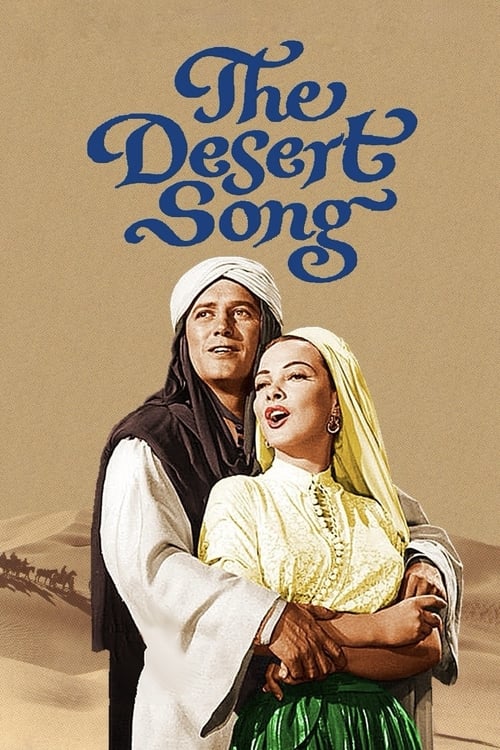
The Desert Song
1953
No user ratings available yet
Representation score: 1.3 out of 10
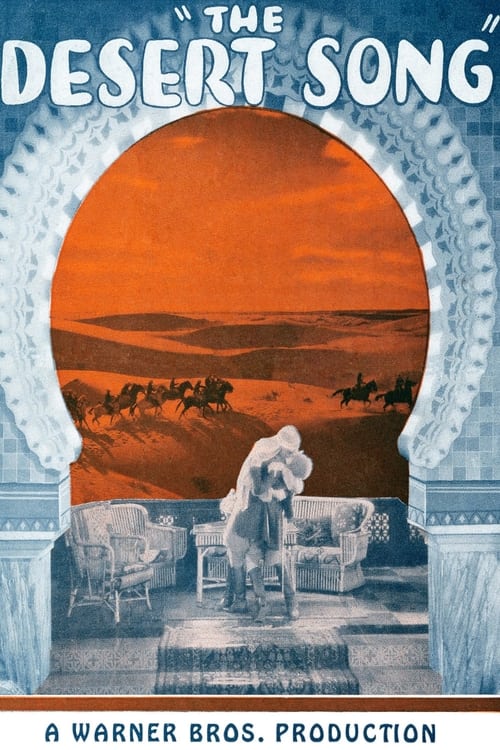
Representation Score
Minimal
1929
PassedDirector
Roy Del Ruth
Runtime
123 minutes
Average Rating
No ratings yetNew Showbiz Analysis
The Desert Song is a product of 1929 cinematic romanticism, relying heavily on escapist clichés. While the casting of a Mexican actress in a Middle Eastern role offers a notable instance of early inclusion, the narrative remains tied to Western perspectives. The film reinforces traditional gender hierarchies and colonialist structures. It prioritizes the dual identity of the male hero over nuanced explorations of the Moroccan setting and its people. Ultimately, the production functions as a romantic musical that uses an exoticized backdrop to heighten drama rather than challenging the social norms of its era.
Category Breakdown
The film follows a strictly heterosexual romantic storyline. There are no queer identities or subtexts explored in the narrative.
Margot's role is mainly to serve as a romantic catalyst for the male lead. Her influence is limited to her desires and her role as a prize to be won.
The casting of Dolores del Río introduces a baseline of inclusion for performers of color. However, the film presents Middle Eastern culture through an exoticized lens.
The story operates within a colonialist framework, emphasizing Western romantic ideals over Moroccan nuances. It reinforces geopolitical hierarchies through a romanticized view of the Orient.
No visible or invisible disabilities are portrayed as central to the characters or the plot.
Present on Screen
Limited or Absent
Official Synopsis
French General Birabeau has been sent to Morocco to root out and destroy the Riffs, a band of Arab rebels, who threaten the safety of the French outpost in the Moroccan desert. Their dashing, daredevil leader is the mysterious "Red Shadow". Margot Bonvalet, a lovely, sassy French girl, is soon to be married at the fort to Birabeau's right-hand man, Captain Fontaine. Birabeau's son Pierre, in reality the Red Shadow, loves Margot, but pretends to be a milksop to preserve his secret identity. Margot tells Pierre that she secretly yearns to be swept into the arms of some bold, dashing sheik, perhaps even the Red Shadow himself. Pierre, as the Red Shadow, kidnaps Margot and declares his love for her.
1953
1948

1943
1930
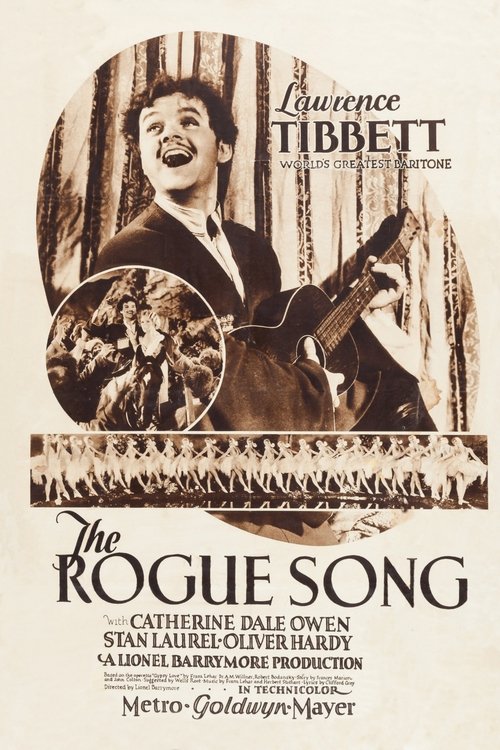
1930
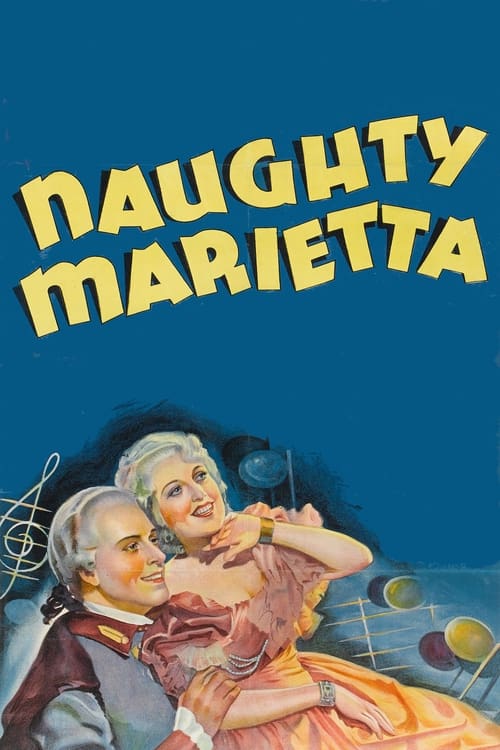
1935
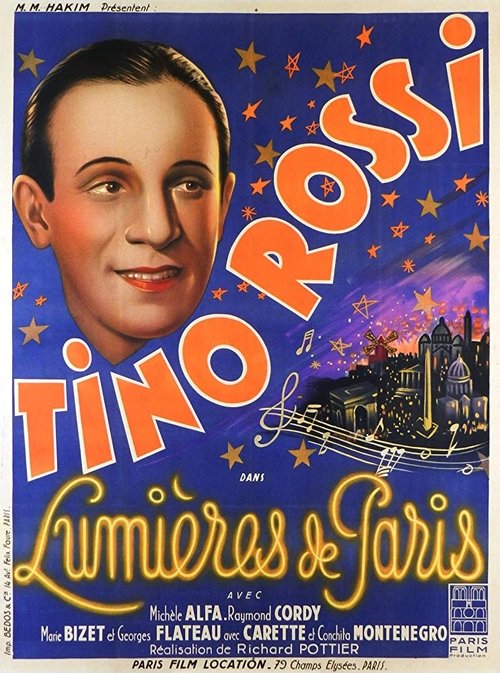
1938
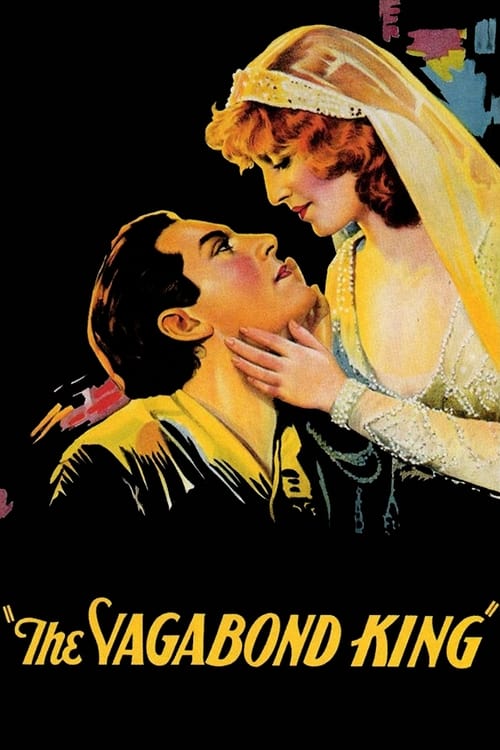
1930
No reviews yet. Be the first to share your thoughts on this movie!
Use the rating form above to leave a star rating and optional review.