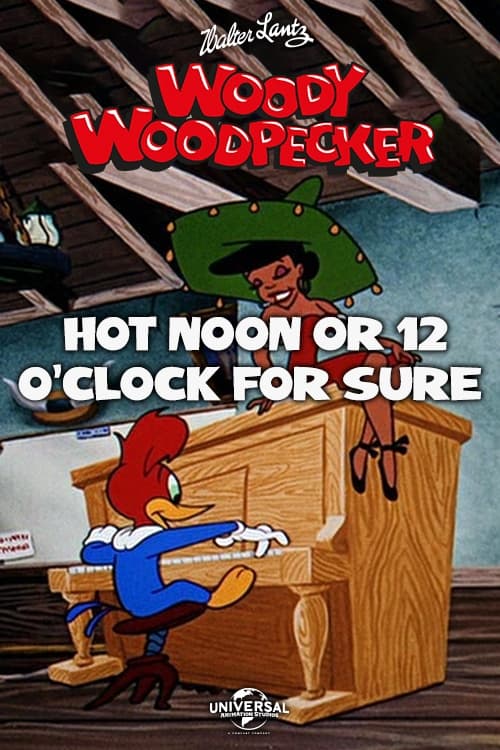
Hot Noon or 12 O'Clock for Sure
1953
No user ratings available yet
Representation score: 3.0 out of 10

Representation Score
Minimal
1961
Director
Paul J. Smith
Runtime
6 minutes
Average Rating
No ratings yetNew Showbiz Analysis
Phantom of the Horse Opera is a standard genre exercise that adheres to the homogeneous narrative structures of 1960s animation. It prioritizes slapstick comedy and physical conflict over any meaningful sociological exploration or multi-layered depth. The production relies heavily on traditional Western clichés, centering the plot on male-coded archetypes within a frontier setting. This focus results in a lack of diverse representation across gender, race, and identity. Ultimately, the film functions as a period-typical short that reinforces conventional social hierarchies rather than attempting to disrupt them.
Category Breakdown
The film does not include any LGBTQ+ characters or non-straight identities. The story revolves around a single protagonist-antagonist conflict.
The narrative depends on male-coded archetypes such as the outlaw and the trickster. There is a noticeable absence of women's ability to drive the story or subversion of gender hierarchies.
The setting features a homogeneous frontier environment typical of the Western genre. No non-Anglo-Saxon characters or diverse casts are present in the story.
The film uses established American West iconography as a stable comedic backdrop. It does not explore secular themes or critique Western institutions.
There are no characters with visible or invisible disabilities. Disability is not used as a narrative device in this production.
Present on Screen
Limited or Absent
Official Synopsis
In the ghost town of Spooksville, Arizona, Woody Woodpecker tangles with an outlaw who disguises himself as a ghost to scare Woody away.
1953
1962
1960
1968
1968
1958
1948

1955
No reviews yet. Be the first to share your thoughts on this movie!
Use the rating form above to leave a star rating and optional review.