
Mountain Woman
2023
No user ratings available yet
Diversity score: 6.0 out of 10
2020
Director
Takeshi Fukunaga
Runtime
84 minutes
Average Rating
No ratings yetSynopsis
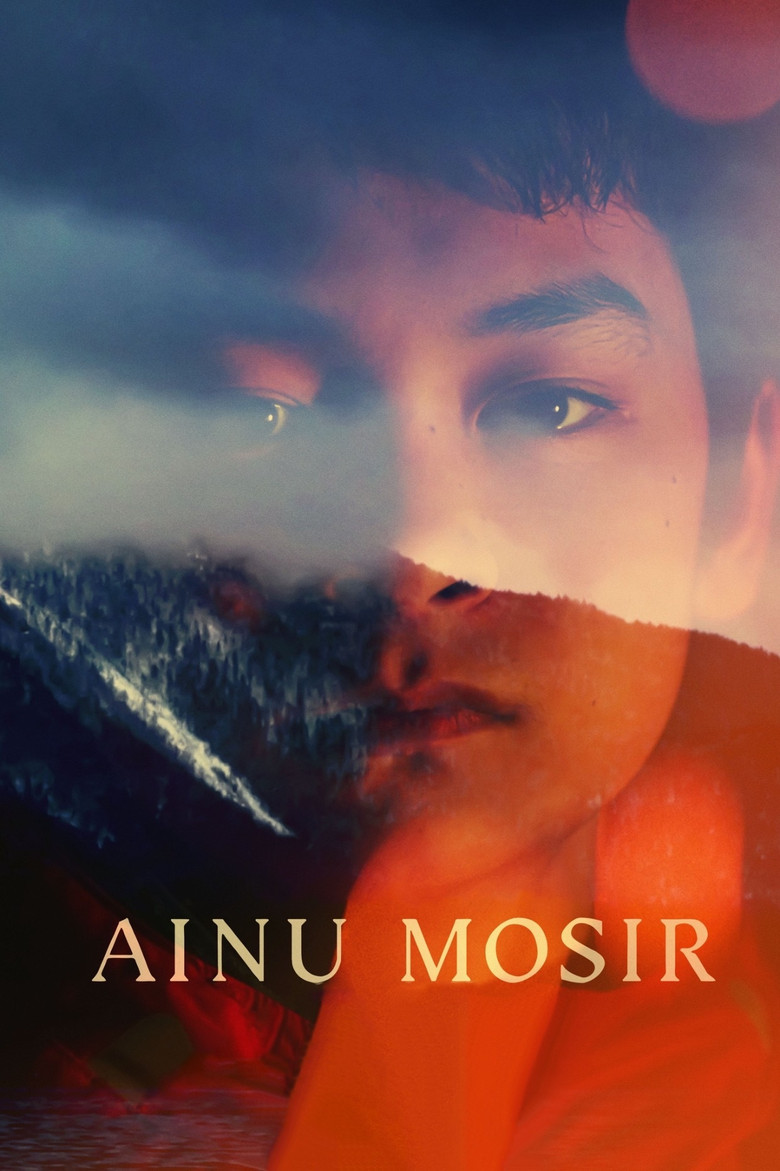
Kanto, 14, a descendant of Japan's indigenous Ainu people, decides to visit a hole in the forest — a path to the other side of the world where dead people live, hoping to see his deceased father.
Overall Score
Good
Category Breakdown
LGBTQ+ Representation
The film lacks explicit queer identities or non-heteronormative romantic arcs. However, it avoids derogatory tropes, maintaining a neutral baseline by focusing on ancestral connections rather than social integration.
Gender Representation
The story follows a male coming-of-age arc that avoids hyper-masculinity. The protagonist finds strength through spiritual sensitivity and emotional vulnerability regarding his grief, rather than physical dominance.
Racial & Ethnic Diversity
This is a standout achievement, centering the Ainu experience and indigenous agency. It challenges monolithic Japanese identity by depicting the Ainu as a living culture navigating modern marginalization.
Religious & Cultural Diversity
The film excels by prioritizing indigenous animism and the concept of kamuy over state-sanctioned spirituality. It uses the protagonist's journey to critique assimilationist policies and systemic erasure.
Disability Representation
There are no prominent depictions of physical or neurodivergent disabilities that drive the narrative.
Strengths
Areas for Improvement
AI Analysis
Ainu Mosir is a profound post-colonial study that uses a personal journey to explore systemic struggles. By centering an Ainu protagonist, the film disrupts conventional coming-of-age tropes and provides a rare platform for indigenous agency. The narrative successfully challenges the dominant Japanese identity by presenting the Ainu not as historical relics, but as a living culture. It effectively uses spiritual themes to critique the pressures of modernization and state-driven assimilation. While the film excels in ethnic and cultural representation, it remains neutral regarding LGBTQ+ identities and lacks specific depictions of disability.
2023
2019
2008
2018

2019
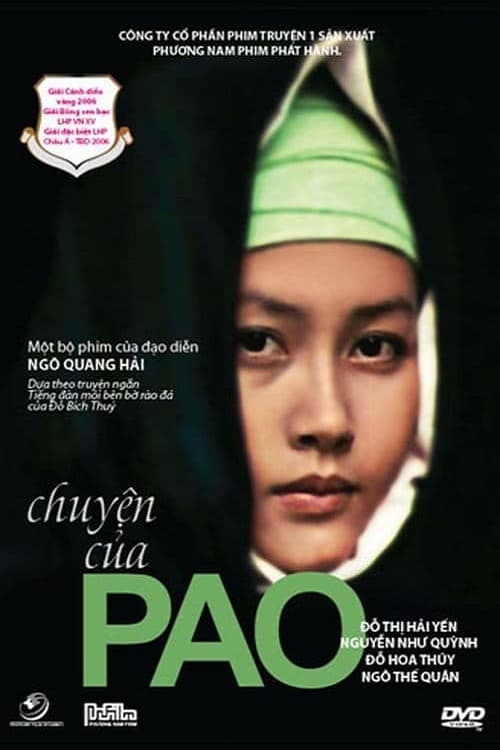
2006
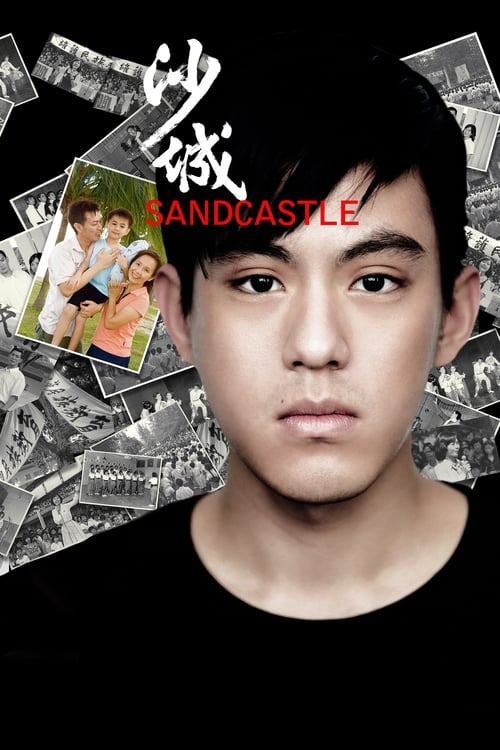
2010
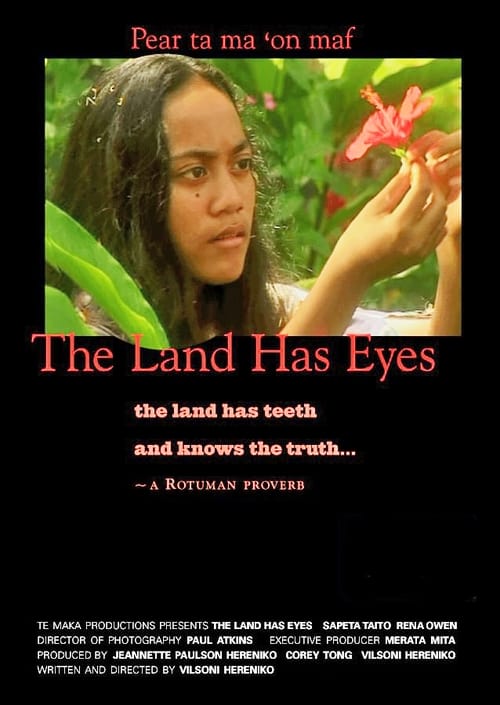
2004
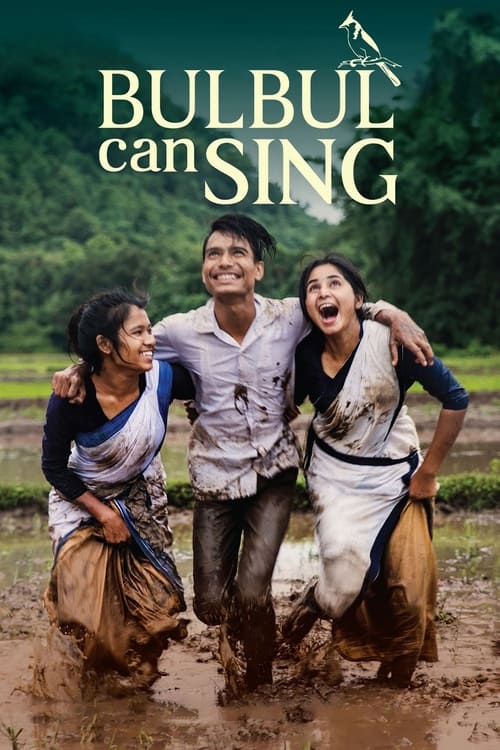
2019
2003
2010
2019
No reviews yet. Be the first to share your thoughts on this movie!
Use the rating form above to leave a star rating and optional review.