
The Joneses
2016
No user ratings available yet
Representation score: 6.7 out of 10
Representation Score
Good
1967
Director
Nick Elliot
Runtime
8 minutes
Average Rating
No ratings yetNew Showbiz Analysis
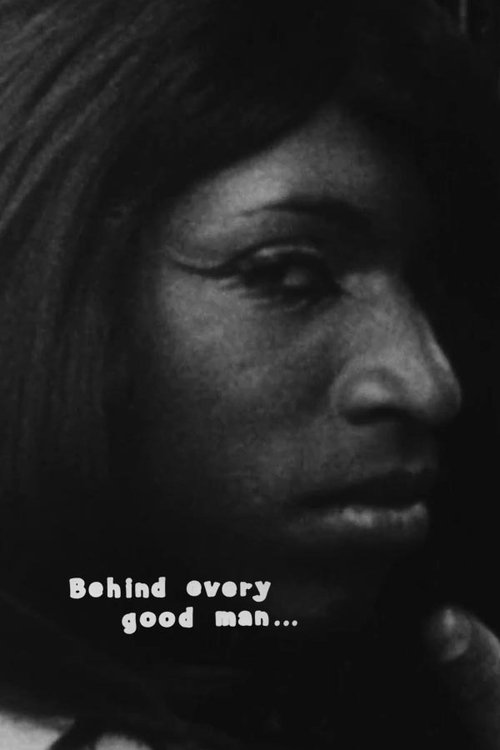
Behind Every Good Man serves as a crucial historical document, highlighting the intersection of race and gender identity. By focusing on an African American transgender woman in 1960s Los Angeles, the film provides a sophisticated view of identity within systemic social structures. The documentary’s strength lies in its progressive subject matter, moving beyond caricature to offer a centered perspective on non-assuming gender matches what was assigned at birth identity. However, the film’s scope is limited by a lack of information regarding disability representation. Additionally, verifying the director's broader creative intentions is challenging due to limited historical data.
Category Breakdown
The film focuses on the life of a transgender woman, presenting a nuanced view that challenges the straight-centered norms of the 1960s. This portrayal offers a realistic depiction rather than a caricature of gender non-conformity.
The documentary highlights a woman who defies traditional gender boundaries. It emphasizes her role in navigating a society dominated by rigid masculine norms, showcasing her significant impact on the narrative.
The film centers on an African American protagonist, adding layers of complexity by exploring the intersection of race and gender. This focus disrupts the era's homogeneous casting and delves into the unique pressures faced by individuals of both backgrounds.
The film examines the pressures of conformity and social exclusion, likely critiquing the restrictive nature of traditional Western social institutions. Its subject matter addresses the challenges faced by individuals within these institutions.
There is no explicit evidence regarding the portrayal of physical or neurodivergent disabilities within the film.
Present on Screen
Limited or Absent
Official Synopsis
Behind Every Good Man provides a glimpse into the life of an African American transgender woman in 1960s Los Angeles.
2016
1984
1985

2017

1991

2019

2016

2020
No reviews yet. Be the first to share your thoughts on this movie!
Use the rating form above to leave a star rating and optional review.