Gifted Hands: The Ben Carson Story
2009
No user ratings available yet
Representation score: 4.2 out of 10

Representation Score
Fair
2017
PGDirector
Michael Gracey
Runtime
105 minutes
Average Rating
No ratings yetNew Showbiz Analysis
The film presents a striking contrast between its visual casting and its thematic foundations. By placing a diverse, multi-ethnic, and disabled ensemble at the center of the spectacle, it challenges exclusionary social norms. However, the narrative remains rooted in traditional Western values, with romantic and social structures strictly centered on the nuclear family and capitalist success. Ultimately, while the film uses diversity to challenge exclusionary high society, it does so within a framework of traditional success stories and conventional gender roles.
Category Breakdown
The film does not include any explicit LGBTQ+ characters or non-cisgender identities. Romantic relationships are strictly heterosexual, focusing on the central marriage of P.T. Barnum and Charity Barnum.
The story follows traditional gender roles where Barnum drives the economic success and Charity Barnum provides the emotional support. Her role is often defined by her relationship to Barnum.
The film includes a multi-ethnic troupe, featuring Black and Indigenous performers, who play central roles and are essential to the film's success rather than being relegated to the background.
The story celebrates the American Dream and capitalist achievement through individual enterprise. Social inclusion is framed through the lens of commercial success rather than a critical look at capitalism.
Characters with visible physical differences are given significant roles and community. The film highlights their desire for professional dignity and social belonging rather than mocking them.
Present on Screen
Limited or Absent
Official Synopsis
The story of American showman P.T. Barnum, founder of the circus that became the famous traveling Ringling Bros. and Barnum & Bailey Circus.
2009

2011
2004
1952

1986
1962

2009
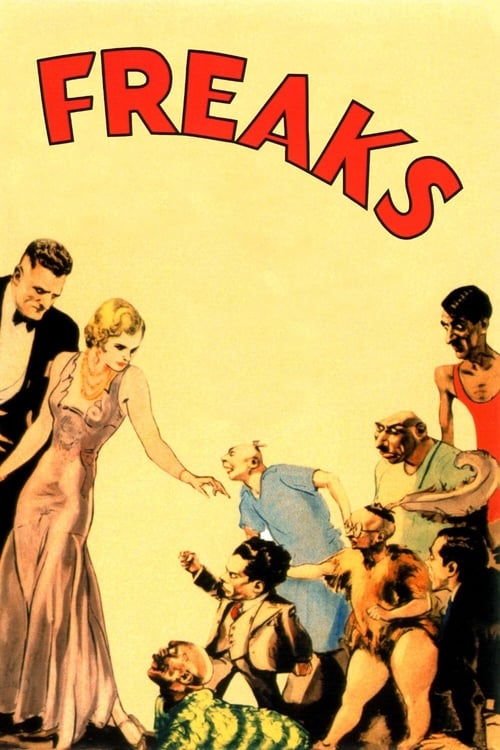
1932
No reviews yet. Be the first to share your thoughts on this movie!
Use the rating form above to leave a star rating and optional review.