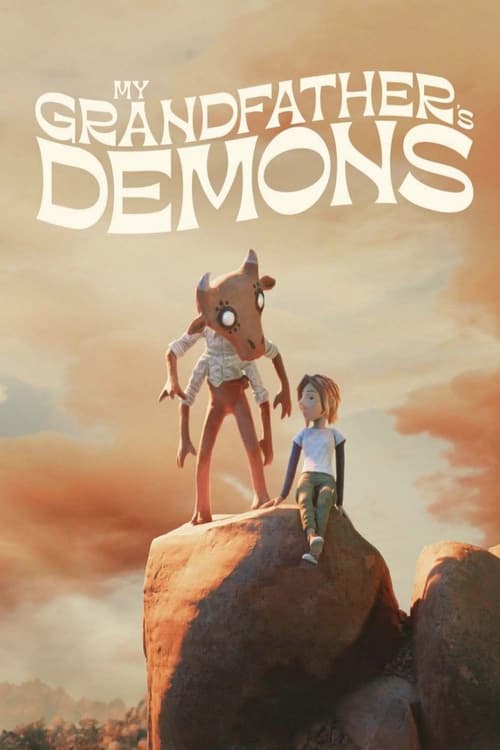
My Grandfather's Demons
2022
No user ratings available yet
Representation score: 7.5 out of 10

Representation Score
Good
2017
Director
Luis Uson
Runtime
7 minutes
Average Rating
No ratings yetNew Showbiz Analysis
Afterwork succeeds as a localized critique of modern labor, using a Filipino cast and Manila setting to offer a non-Western perspective on professional exhaustion. This cultural authenticity is the film's strongest asset, effectively challenging Anglo-centric cinematic norms. However, the film struggles with specific identity representation. It offers little insight into LGBTQ+ narratives or disability, focusing instead on the broader, more abstract concept of systemic burnout. While burnout hints at mental health struggles, it lacks the character-driven portrayal necessary for true disability representation. Ultimately, the film is a thematic success regarding cultural and class critique, but it remains narrow in its exploration of individual identity markers like gender subversion or sexual orientation.
Category Breakdown
The film does not include explicit LGBTQ+ characters or stories that challenge traditional heterosexual norms. The plot centers around existential and socioeconomic themes rather than sexual orientation.
Women are shown in professional roles, moving away from traditional domestic roles. However, the film does not explicitly address gender subversion or the breakdown of hierarchies.
The film features a Filipino cast set in Manila, avoiding Western-centric casting and providing a localized perspective on class and fatigue.
The narrative criticizes capitalist structures by depicting the corporate environment as a source of identity fragmentation. It uses the 'endless loop' to challenge Western-style professional institutions.
There is no significant representation of visible or invisible disabilities in the film. While it explores corporate fatigue, it does not specifically represent neurodivergence or physical disabilities.
Present on Screen
Limited or Absent
Official Synopsis
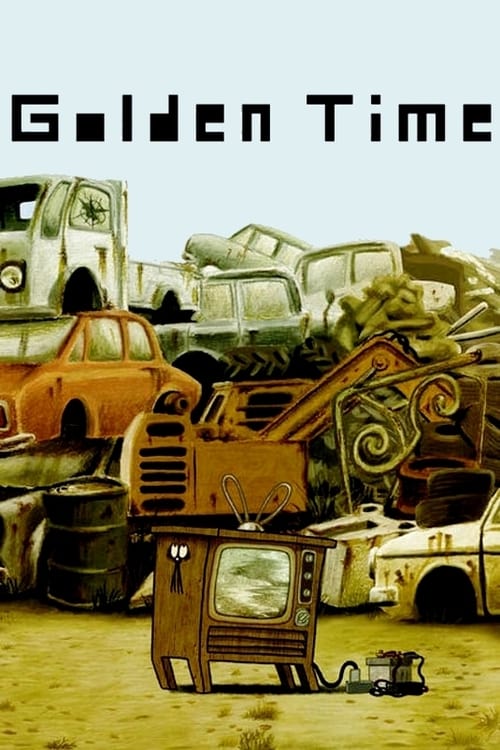
Cartoon rabbit lives in an endless loop.
2022

1985
2019
2004

2020
2014

2021

2015
No reviews yet. Be the first to share your thoughts on this movie!
Use the rating form above to leave a star rating and optional review.