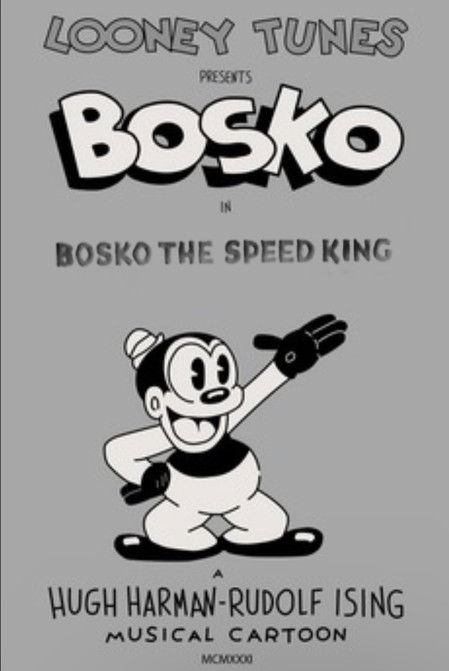
Bosko the Speed King
1933
No user ratings available yet
Representation score: 0.9 out of 10
Representation Score
Minimal
1935
ApprovedDirector
Hugh Harman
Runtime
8 minutes
Average Rating
No ratings yetNew Showbiz Analysis
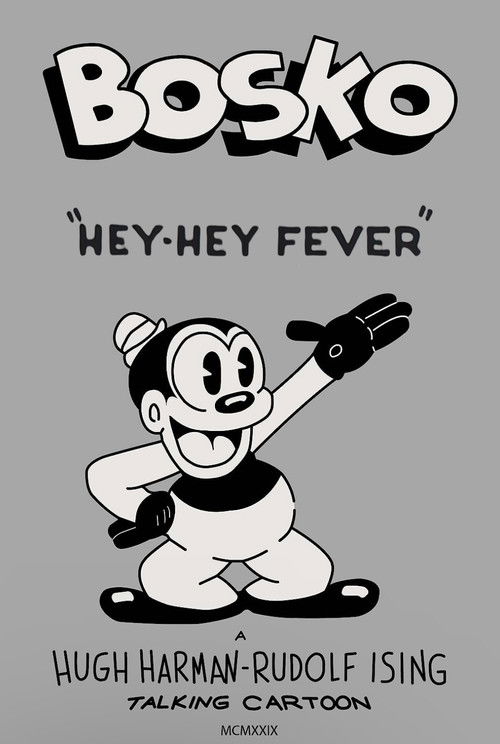
Hey-Hey Fever is a product of the 1930s studio system, prioritizing slapstick humor and commercial clichés over social complexity. While technically significant for early animation, the film operates within a narrow framework of conventional storytelling. The representation is heavily shaped by the era's limitations. The reliance on Mother Goose folklore and the characterization of Bosko reflect the period's tendency toward stereotypical and non-inclusive narratives. Ultimately, the film serves as a historical artifact of early American animation that lacks intentional diversity or modern social awareness.
Category Breakdown
The film does not include any LGBTQ+ characters or themes. The story revolves around Bosko's interactions with nursery rhyme figures.
Gender representation in the film adheres to traditional archetypes seen in the Happy Harmonies series. The use of Mother Goose folklore reinforces established gender roles.
Bosko's portrayal reflects the racial caricatures typical of 1930s animation. The character lacks nuanced depth and aligns with the racial biases of the time.
The story draws primarily from Western folklore, emphasizing whimsical entertainment. It prioritizes escapism over any critique of cultural institutions or morality.
There are no characters with visible or invisible disabilities. Disability is not used as a narrative device or plot point in this short.
Present on Screen
Limited or Absent
Official Synopsis
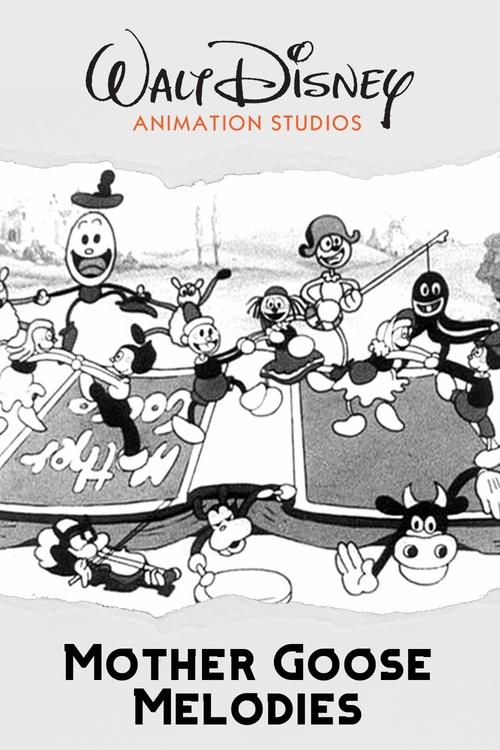
This MGM "Happy Harmonies" entry stars Bosko. He falls asleep at a sign promoting Mother Goose bread, and Mother Goose characters come to life.
1933
1932
1935
1931
1936
1932
1939
1931
No reviews yet. Be the first to share your thoughts on this movie!
Use the rating form above to leave a star rating and optional review.