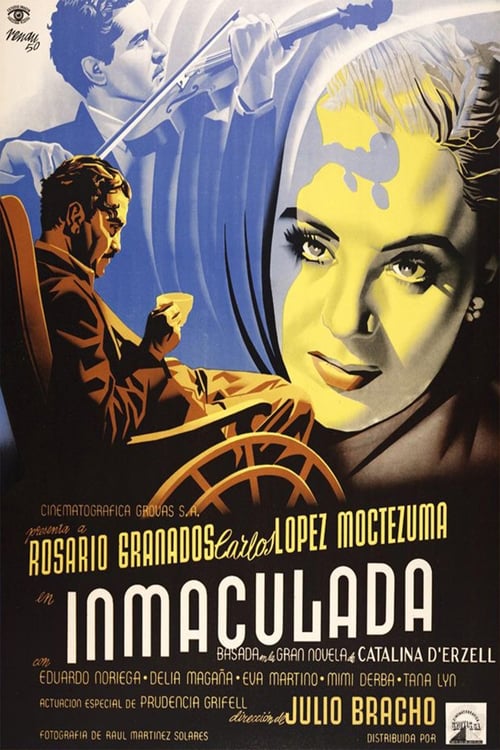
Inmaculada
1950
No user ratings available yet
Representation score: 1.8 out of 10
No Poster Available
Representation Score
Fair
1949
TV-PGDirector
Emilio Fernández
Runtime
86 minutes
Average Rating
No ratings yetNew Showbiz Analysis
The Unloved Woman is a culturally significant work that excels in its racial and ethnic centering. By placing non-Western identities at the heart of its drama, it challenges the historical dominance of Anglo-centric cinema. However, the film remains tethered to traditional narrative structures. The story relies heavily on straight-centered romantic conflict and reinforces the sanctity of the domestic family unit, offering little room for diverse identity exploration. Ultimately, the film's impact is found in its national identity and its subversion of casting norms, even as it operates within a conservative social framework.
Category Breakdown
The film focuses on heterosexual relationships and traditional family structures without depicting same-sex intimacy or non-cisgender identities.
The antagonist embodies predatory masculinity, but the story shifts the focus to the mother and daughter who unite to resist patriarchal violence, challenging the helpless victim cliché.
As a cornerstone of Mexican cinema, the film centers indigenous and mixed-race identities. Casting actors like Dolores Del Rio and Pedro Armendáriz disrupts white-centric storytelling norms.
The narrative emphasizes strong familial bonds and traditional social structures. It reinforces the importance of the domestic unit without questioning it as an oppressive institution.
There are no visible or invisible disabilities depicted as central to the character arcs or plot mechanics.
Present on Screen
Limited or Absent
Official Synopsis
Emilio Fernandez directs Dolores Del Rio and Pedro Armendariz in a classic tale of family and obsession. Raimunda's daughter Acacia hates her stepfather Esteban, and in order to escape her suffocating home life she's accepted a marriage proposal from a man she doesn't even love. But Esteban has become obsessed with Acacia, and in order to ensure that she doesn't leave he's plotting to murder the girl's unsuspecting fiancée. As Esteban's true nature emerges, mother and daughter must band together to support one another and make sure that their family bond remains strong even in the darkest of times.
1950
1949
1943
1962
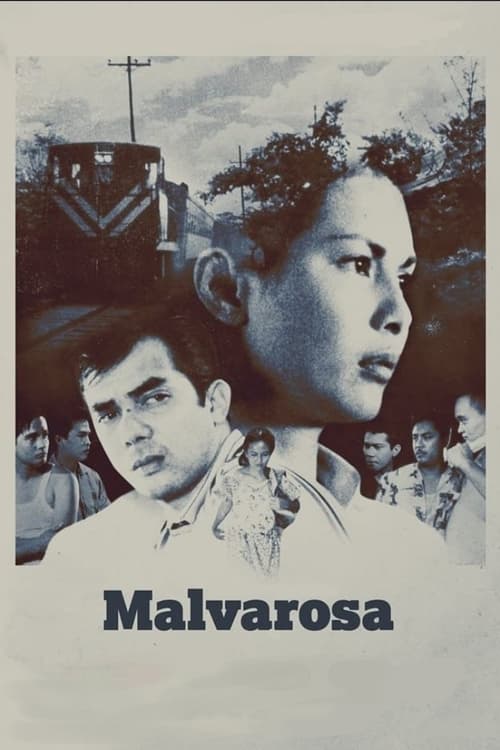
1958
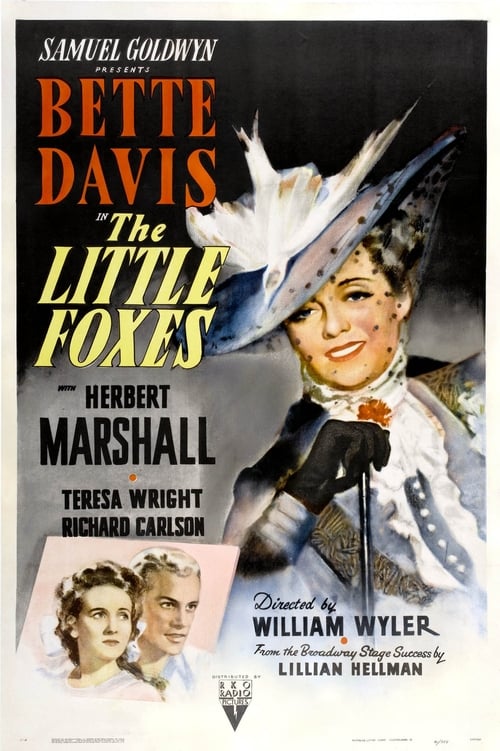
1941
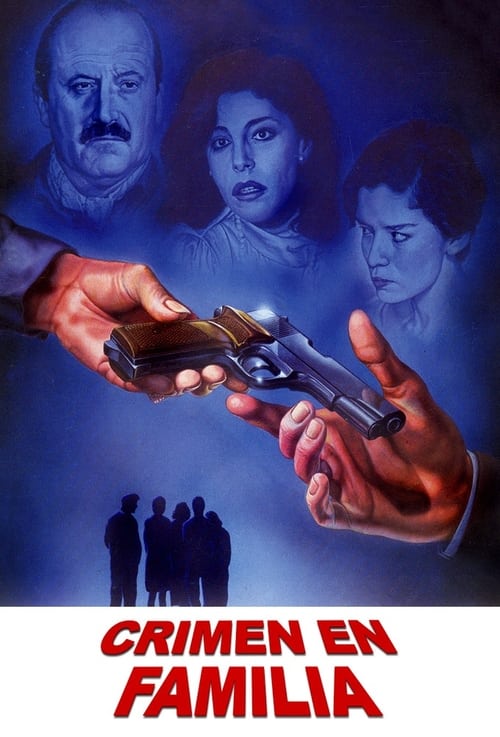
1985
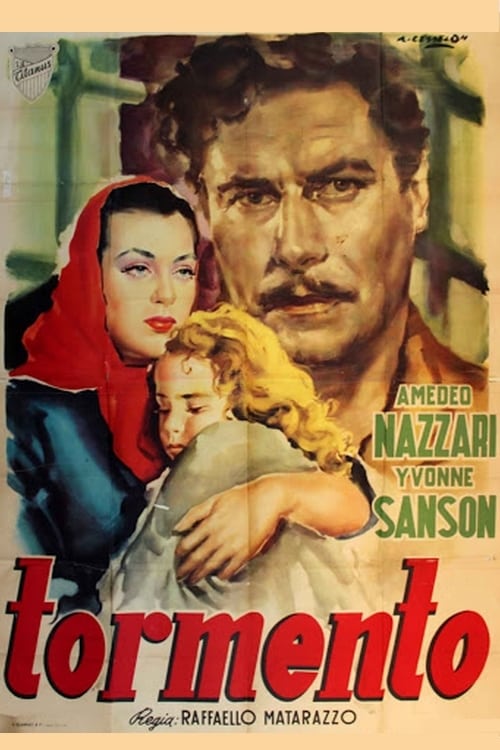
1950
No reviews yet. Be the first to share your thoughts on this movie!
Use the rating form above to leave a star rating and optional review.