Lucie and the Miracles
1971
No user ratings available yet
Representation score: 5.9 out of 10
Representation Score
Good
1975
Director
Elisabeth Rygaard, Li Vilstrup, Mette Knudsen
Runtime
96 minutes
Average Rating
No ratings yetNew Showbiz Analysis
The film stands out for its bold subversion of traditional gender roles, using a fantasy sequence to reverse typical masculine and feminine expectations. Directed by a trio of women, the film offers a sophisticated critique of mid-1970s social hierarchies. However, the work lacks depth in terms of cultural diversity. The narrative appears homogeneous, offering little evidence of racial or ethnic diversity. While it addresses mental health through the protagonist's depression, this element functions more as a plot driver than a nuanced exploration of neurodivergence. Ultimately, the film is a progressive social commentary that favors collective solidarity and female empowerment, even if it remains limited in its representation of LGBTQ+ and multi-ethnic identities.
Category Breakdown
The film does not include any characters with queer identities or explore non-straight relationships. It focuses solely on heterosexual relationships.
The film challenges traditional gender roles through a fantasy sequence where men handle domestic tasks and aesthetics. It emphasizes female empowerment and professional solidarity over traditional domestic roles.
The film seems to focus on a homogeneous social structure without showing any diverse racial or ethnic backgrounds.
The story critiques Western social structures by emphasizing collective labor over capitalist stability. It values professional autonomy over traditional family-centric solutions.
Depression serves as a catalyst for the protagonist's personal growth rather than a character flaw. The film avoids 'inspiration porn' by focusing on social solutions rather than magical cures.
Present on Screen
Limited or Absent
Official Synopsis
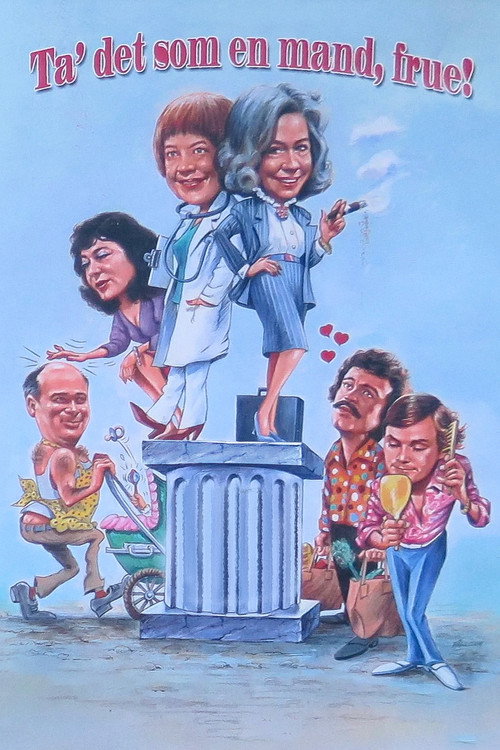
A middle aged married woman suffers from depression. Her husband suggests she get a dog, but instead she gets a job. Treatment of the women workers leads her into a hilarious fantasy in which roles are reversed and bearded men sit behind typewriters worrying about their looks and what to buy for dinner. She gets involved in a strike and loses her job, but has found some friends and a more positive attitude to life.
1971
1961
1983

1980
1979
1991
1993
1989
No reviews yet. Be the first to share your thoughts on this movie!
Use the rating form above to leave a star rating and optional review.