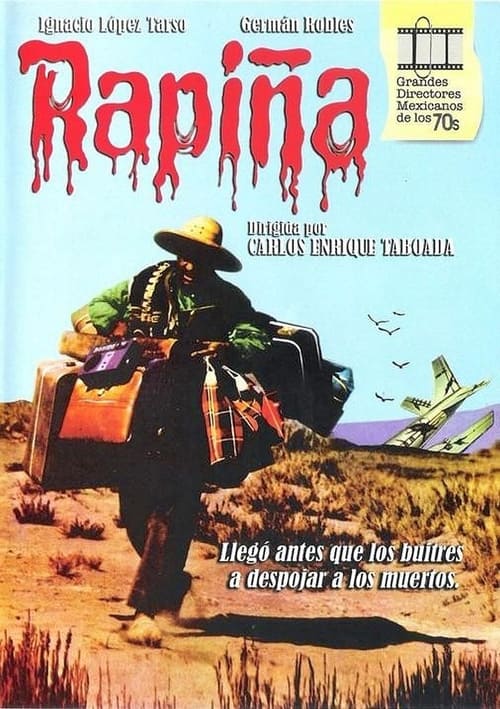
Rapine
1975
No user ratings available yet
Representation score: 5.0 out of 10

Representation Score
Fair
1984
TV-MADirector
Abbo Q. Dela Cruz
Runtime
122 minutes
Average Rating
No ratings yetNew Showbiz Analysis
Joyful Mystery (1984) succeeds by centering a localized, socio-economic struggle that challenges Western-centric moral frameworks. By framing the arrival of an American passenger as a source of corruption rather than a heroic intervention, the film shifts the perspective toward the ability to act and moral complexity of the local population. However, the film lacks specific details regarding gender and LGBTQ+ identities. The focus remains heavily on class-based ability to act and the breakdown of communal morality, leaving other identity-based representations largely unaddressed. Ultimately, the film's strength lies in its critique of systemic corruption and its departure from traditional, idealized depictions of community and authority.
Category Breakdown
The film does not explicitly mention LGBTQ+ characters or non-straight relationships. However, there are no derogatory stereotypes present in the story.
The narrative centers on the roles of three main characters during a struggle for wealth. While the gender of these characters is unspecified, the conflict involves a male-dominated institution.
The setting is localized and non-Western, focusing on impoverished villagers. It challenges Western-centric clichés by framing an American passenger's arrival as a catalyst for local greed rather than salvation.
The film critiques traditional power structures and local institutional authority. It portrays Western influence and local leadership as sources of chaos, corruption, and moral complexity.
There is no information regarding characters with visible or invisible disabilities within the narrative.
Present on Screen
Limited or Absent
Official Synopsis
August 1950. The fortunes of three impoverished friends and their families abruptly change after an airplane crashes in a nearby mountain. They rush to the crash site along with all the villagers, not to help the victims but to plunder their valuables. A dead American passenger carried a large amount of money in his briefcase, which Mesiong, Ponsoy, and Jamin find and avariciously keep for themselves. But the town mayor gets greedy and, with his hirelings, abducts the three to divest them of their booty.
1975

1965

1973

1978

1973

1963

1998
1978
No reviews yet. Be the first to share your thoughts on this movie!
Use the rating form above to leave a star rating and optional review.