
Wall
2004
No user ratings available yet
Representation score: 9.1 out of 10
Representation Score
Excellent
2016
Director
Thanos Anastopoulos, Davide Del Degan
Runtime
135 minutes
Average Rating
No ratings yetNew Showbiz Analysis
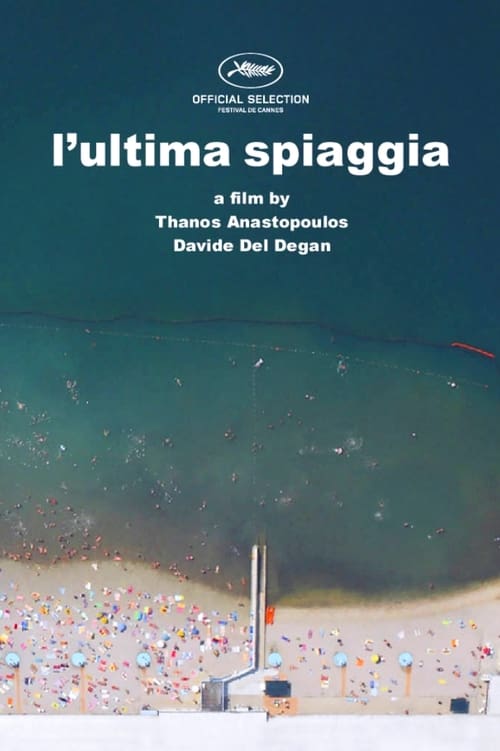
The Last Resort operates as a sociological study of how unseen social boundaries persist in Trieste. It uses the unique, gender-segregated 'Pedocin' beach to explore the tension between historical progress and traditional social segregation. The film's strength lies in its thematic structure, particularly in dismantling institutional hierarchies. By linking the Basaglia revolution to contemporary social spaces, it offers a nuanced view of how barriers are broken down or maintained. However, the documentary remains highly localized and Eurocentric. While it explores the idea of crumbling boundaries, it lacks explicit detail about racial diversity or specific LGBTQ+ character narratives.
Category Breakdown
The film looks at the 'Pedocin' beach, which is divided by gender. This division serves as a tool to critique the assumption that everyone is straight or cisgender. However, there are no clear stories about LGBTQ+ characters in the film.
The documentary focuses on a social barrier between men and women at a specific beach. It explores the gendered hierarchy and the breaking down of traditional social norms.
The story is centered around the geography of Trieste and Italian social reforms. The film does not provide detailed information about the racial or ethnic makeup of its subjects.
The film delves into progressive social changes, especially the Basaglia revolution. It uses the demolition of mental hospital walls to critique traditional Western institutions.
By mentioning the Basaglia revolution, the film highlights the real power of neurodivergent individuals. It frames mental health through the lens of social liberation rather than just illness.
Present on Screen
Limited or Absent
Official Synopsis
In a city where the boundaries have changed greatly, where to go in Slovenia identification, where the barriers (real or metaphorical that they need not even show) have crumbled over the years, where the famous wall of mental hospital was demolished in the seventies thanks to Basaglia revolution, there is a wall that still stands. The wall that separates at the beach "At Lantern" women and men, but commonly called by all Trieste "Pedocin", unique in Europe, the noisy quiet corner, a stone's throw from the city center.
2004

2016
1981

2007

2020
1998

2014

2013
No reviews yet. Be the first to share your thoughts on this movie!
Use the rating form above to leave a star rating and optional review.