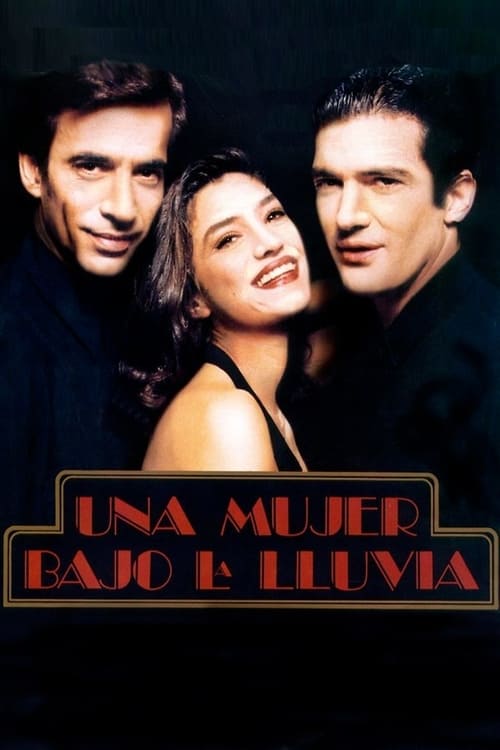
Una mujer bajo la lluvia
1992
No user ratings available yet
Diversity score: 5.1 out of 10

2006
Director
Joaquín Oristrell
Runtime
105 minutes
Average Rating
No ratings yetOverall Score
Fair
Category Breakdown
LGBTQ+ Representation
The film focuses on physical disability rather than sexual orientation. There is no evidence of specific queer narratives or non-heteronormative identities being centered in the story.
Gender Representation
The narrative is driven by a male-centric friendship group and a bachelor party dynamic. While female characters appear, agency remains concentrated within the male protagonists.
Racial & Ethnic Diversity
This localized Spanish production features a predominantly homogeneous cast. The story focuses on internal social dynamics rather than multi-ethnic intersectionality or racial blending.
Religious & Cultural Diversity
The film disrupts social hierarchies by centering characters who exist on the margins of normative society. It normalizes the characters' imperfections through a comedic lens.
Disability Representation
The story is built around the lived experiences of characters who are blind, deaf, and physically impaired. These characters possess high agency and drive the plot.
Strengths
Areas for Improvement
AI Analysis
The film excels by placing characters with disabilities at the center of the narrative, granting them autonomy and complex social lives. This approach avoids treating their conditions as mere objects of pity. However, the film lacks breadth in other areas of intersectionality. The cast is largely homogeneous, and the plot follows a traditional male-centric structure that limits broader representation. Ultimately, the work succeeds as a study in disability-centric storytelling, even if it remains narrow in its cultural and sexual diversity.
1992
2003
2010
2016
2019

2017
2005
2015
1966
2018

2000
2012
No reviews yet. Be the first to share your thoughts on this movie!
Use the rating form above to leave a star rating and optional review.