
I Love You, Stupid
2020
No user ratings available yet
Representation score: 3.7 out of 10
Representation Score
Good
2010
Director
Nacho G. Velilla
Runtime
105 minutes
Average Rating
No ratings yetNew Showbiz Analysis
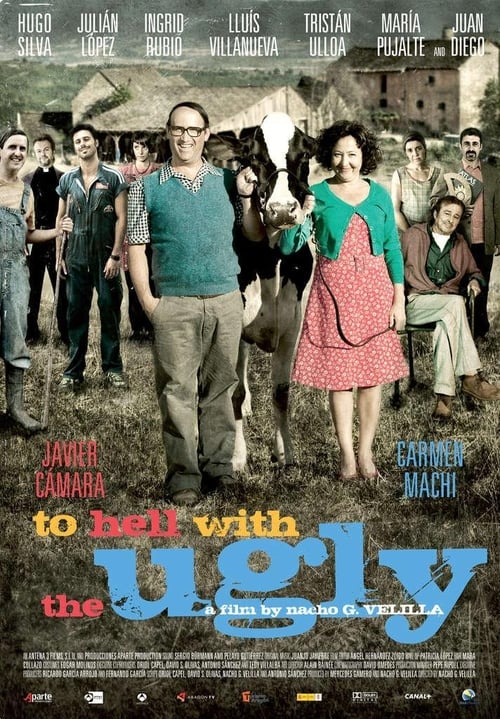
To Hell With The Ugly subverts the typical romantic comedy cliché of physical perfection. By centering characters like Eliseo and Nati, who exist on the margins of social desirability, the film challenges aesthetic hierarchies and the superficiality of social standing. The film succeeds in providing ability to act to characters with physical differences, avoiding the common pitfall of using such traits merely as punchlines. Nati’s character, in particular, offers a more resilient and nuanced depiction of femininity. However, the film remains anchored in traditional romantic and straight-centered structures. While it critiques aesthetic standards, it does not engage in broader systemic or identity-based political critiques.
Category Breakdown
The film adheres to traditional romantic structures focused on heterosexual relationships. There is no indication of queer identities or subtext within the story.
Nati challenges conventional beauty standards by being a woman missing a breast. This portrayal offers a nuanced look at women's ability to drive the story outside of idealized aesthetic norms.
As a Spanish production, the film operates within a specific regional context. The narrative focuses on social standing and aesthetics rather than overt racial or ethnic conflict.
The story critiques social superficiality by centering unattractive characters. It moves toward a subjective understanding of worth while maintaining traditional family and romantic structures.
The film provides meaningful representation of physical differences. By centering characters with visible differences, it gives real power to those outside the idealized body type.
Present on Screen
Limited or Absent
Official Synopsis
Eliseo is ugly, lame and single. He hasn't met the woman of his life and has never known love. Nati is ugly, missing a breast and separated. She found the man of her life but, even so, has never experienced true love. Eliseo thinks that the worst of his life is still to come. Nati thinks that the best of her life is still to come. The death of Eliseo's mother reunites them twenty years on in a last chance to find happiness and love. But what happens when the woman of your life is married to your brother
2020

2015

2011

2013
1994
2004
2015

1992
No reviews yet. Be the first to share your thoughts on this movie!
Use the rating form above to leave a star rating and optional review.