Girl on Girl: An Original Documentary
2016
No user ratings available yet
Representation score: 6.9 out of 10
Representation Score
Fair
2007
NC-17Director
Armand Kaye, Justine Chang
Runtime
88 minutes
Average Rating
No ratings yetNew Showbiz Analysis
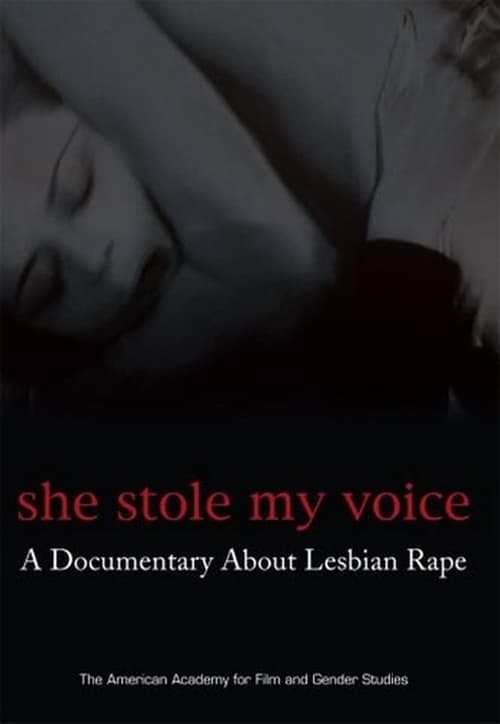
This documentary deconstructs traditional legal and social norms by highlighting the systemic invisibility of violence between LGBTQ individuals. By centering survivor testimonies and community responses, the filmmakers challenge institutional failures that perpetuate disenfranchisement. The film's strength lies in its intentional focus on empowering underrepresented voices and challenging myths about sexual violence. However, the available data lacks specific details about racial, ethnic, or disability representation, limiting a comprehensive assessment of its broader demographic scope.
Category Breakdown
The documentary focuses on the experiences of lesbian women and challenges the assumption that sexual violence is always between men and women. It addresses sexual violence that has been historically ignored or considered unlikely.
The film examines power dynamics and violence specifically between women, disrupting the idea that sexual aggression is solely a male issue. It questions the myth that sexual aggression is exclusively a male-on-female phenomenon.
There is no explicit evidence regarding the racial or ethnic composition of the participants. The available information focuses primarily on sexual orientation and gendered violence.
The film criticizes traditional institutions like law enforcement for their role in erasing queer trauma. It prioritizes the personal stories of survivors over official legal narratives.
The provided context does not contain specific information regarding the depiction of physical disabilities or neurodivergence. While psychological trauma is a theme, disability's role remains unconfirmed.
Present on Screen
Limited or Absent
Official Synopsis
In one of the most important and controversial documentaries of the last five years, filmmakers Justine Chang and Armand Kaye examine a crime that has been ignored, discounted, and even declared impossible. The result of years of research and production, She Stole My Voice: A Documentary About Lesbian Rape is a jarring, terrifying, and eye-opening look at this lesbian rape and sexual violence between women. The film masterfully interweaves community responses, expert analyses, and graphic reenactments to create an absolutely unforgettable experience. Viewers will see the reality and prevalence of this crime, and learn how the community as a whole, law enforcement, and even the lesbian community itself have repeatedly discounted this crime. And in the unforgettable and terrifyingly graphic reenactments of lesbian rape, viewers will begin to truly understand the chilling and horrific experience of actual lesbian rape.
2016
2015
2014

2017
2014

2016
2014
2012
No reviews yet. Be the first to share your thoughts on this movie!
Use the rating form above to leave a star rating and optional review.