
Time to Leave
2005
No user ratings available yet
Diversity score: 5.7 out of 10
2012
Director
Nic Balthazar
Runtime
120 minutes
Average Rating
No ratings yetSynopsis
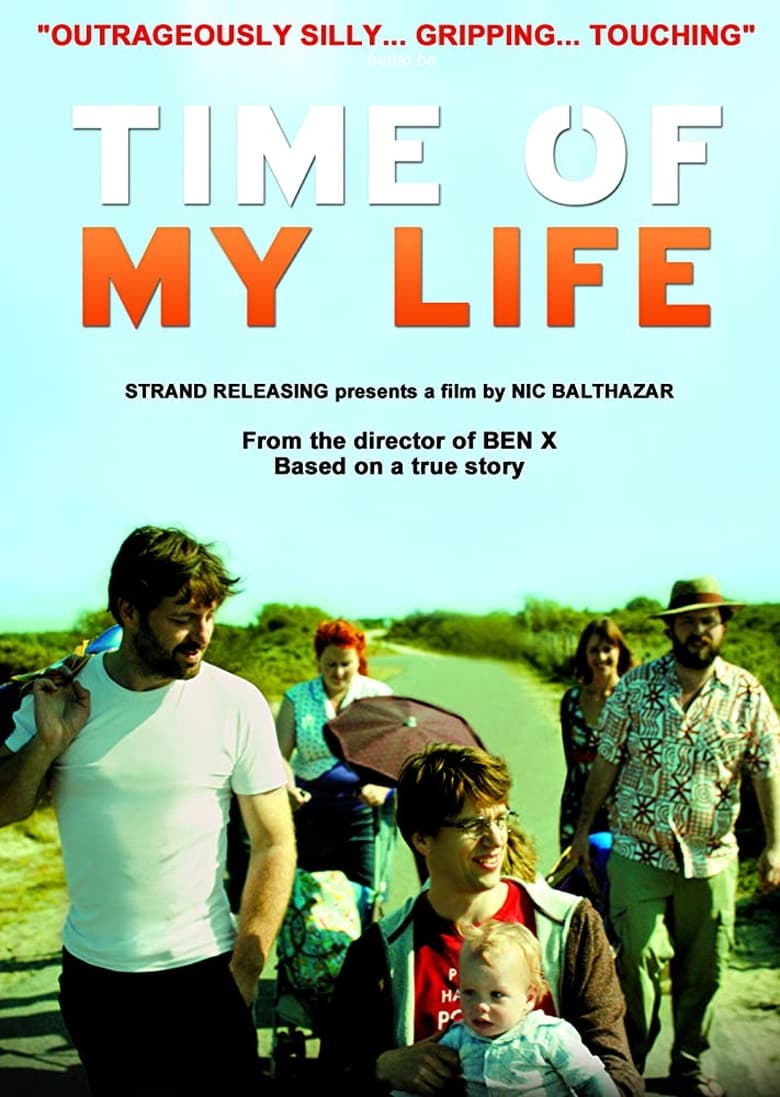
Based on a true story, 'Tot altijd' introduces us to a band of friends in the eighties, who spend their days enjoying their youth and turbulent (love) life. Years later, Thomas, a recent medicine graduate and Mario's closest friend, gets stuck between a rock and a hard place when he diagnoses Mario with MS (Multiple Sclerosis). Though not a fatal disease, it slowly consumes the patient's bodily functions and - in some cases - their minds. Mario becomes the leading spokesman for the action group "Waardig Sterven" ("Dignified Death") in support of the Belgian legalisation of euthanasia. Thomas does everything in his power to avoid losing his best friend, but also can't stand the sight of his continued degeneration...
Overall Score
Fair
Category Breakdown
LGBTQ+ Representation
The film focuses on heteronormative friendships and romantic histories. It does not center queer narratives or non-cisnormative identities, though it avoids using derogatory tropes.
Gender Representation
While male protagonists drive the central conflict, the film avoids rigid masculine hierarchies. It showcases vulnerability and the breakdown of traditional protector roles during chronic illness.
Racial & Ethnic Diversity
The cast appears relatively homogeneous, reflecting a localized drama. The narrative does not prioritize intersectional racial blending or diverse demographic representation.
Religious & Cultural Diversity
The story challenges Western institutional frameworks by advocating for bodily autonomy and euthanasia. It critiques traditional sanctity-of-life doctrines through the lens of individual agency.
Disability Representation
The depiction of Multiple Sclerosis is a narrative strength. Mario is a proactive leader rather than a passive victim, highlighting the gritty reality of degenerative disease.
Strengths
Areas for Improvement
AI Analysis
Time of My Life is a character-driven drama that finds its depth in the tension between medical ethics and personal autonomy. While the film lacks diversity in terms of race and sexual orientation, it excels in its sophisticated handling of disability and bioethical debate. The narrative moves from nostalgic youth to a profound examination of physical erosion. By centering the struggle for 'dignified death,' the film provides a complex critique of systemic rigidity versus individual agency. Ultimately, the film's value lies in its refusal to use disability as mere inspiration porn, instead treating it as a central driver of political and personal identity.
2005
2014

2019

2013
2004

2015

1994

2014

2013

2015
2011

2014
No reviews yet. Be the first to share your thoughts on this movie!
Use the rating form above to leave a star rating and optional review.