
Cries of Pleasure
1983
No user ratings available yet
Diversity score: 4.2 out of 10
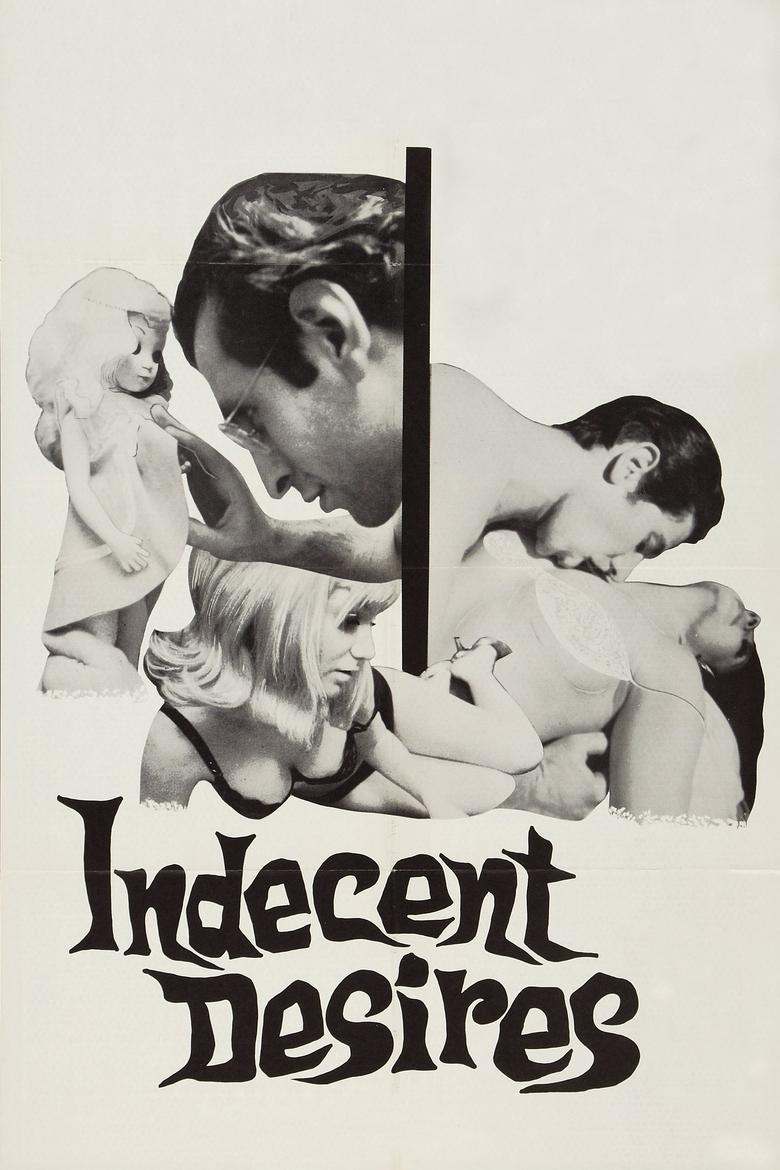
1968
NRDirector
Doris Wishman
Runtime
75 minutes
Average Rating
No ratings yetSynopsis
Zeb finds a doll and a ring in a garbage can. Then, he sees Ann going to work with her friend Babs. He thinks she looks like the doll. When he gets home, he caresses the doll... Ann feels it! When Zeb finds out about Ann's fiance Tom, he really gets mad, burns the doll, and beats it up, which makes Ann think she's losing her mind.
Overall Score
Limited
Category Breakdown
LGBTQ+ Representation
The narrative centers on a traditional romantic triangle between Ann, Tom, and Zeb. There is no evidence of LGBTQ+ characters or non-heteronormative identities within the story.
Gender Representation
Ann serves as the central figure through which the psychological tension is experienced. The film explores female vulnerability while depicting male volatility and aggression through Zeb's outbursts.
Racial & Ethnic Diversity
The film appears to adhere to the homogeneous casting standards of 1968. There is no indication of a diverse or non-Anglo-Saxon majority cast.
Religious & Cultural Diversity
The story focuses on individual psychological distress and the breakdown of subjective reality. It does not offer an explicit critique of Western institutions or specific cultural traditions.
Disability Representation
Mental health is a central plot driver as Ann experiences a perceived loss of sanity. This psychological vulnerability is a key element of the narrative tension.
Strengths
Areas for Improvement
AI Analysis
Indecent Desires is a psychological exploitation film that prioritizes individual obsession over social or intersectional breadth. While it lacks meaningful representation of race or LGBTQ+ identities, it moves away from standard moral structures by focusing on the breakdown of reality. The film's strength lies in its focus on psychological instability and the subversion of traditional interpersonal dynamics. It uses the female protagonist's mental state to drive the narrative, offering a complex look at psychological fragility. However, the film remains limited by the era's casting norms and uses mental health primarily as a plot device. The lack of diverse character backgrounds keeps the social scope narrow.
1983
1977

1993
1970
1948
1990

1991

1987
1969

1977
1960

1980
No reviews yet. Be the first to share your thoughts on this movie!
Use the rating form above to leave a star rating and optional review.