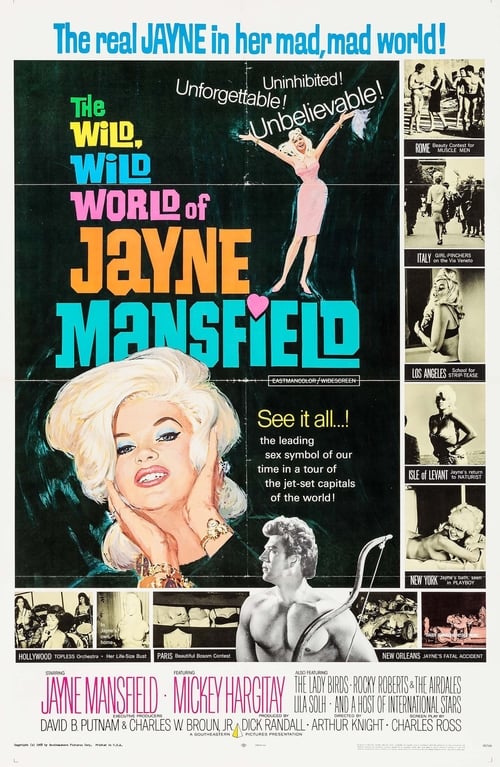
The Wild, Wild World of Jayne Mansfield
1968
No user ratings available yet
Diversity score: 3.8 out of 10
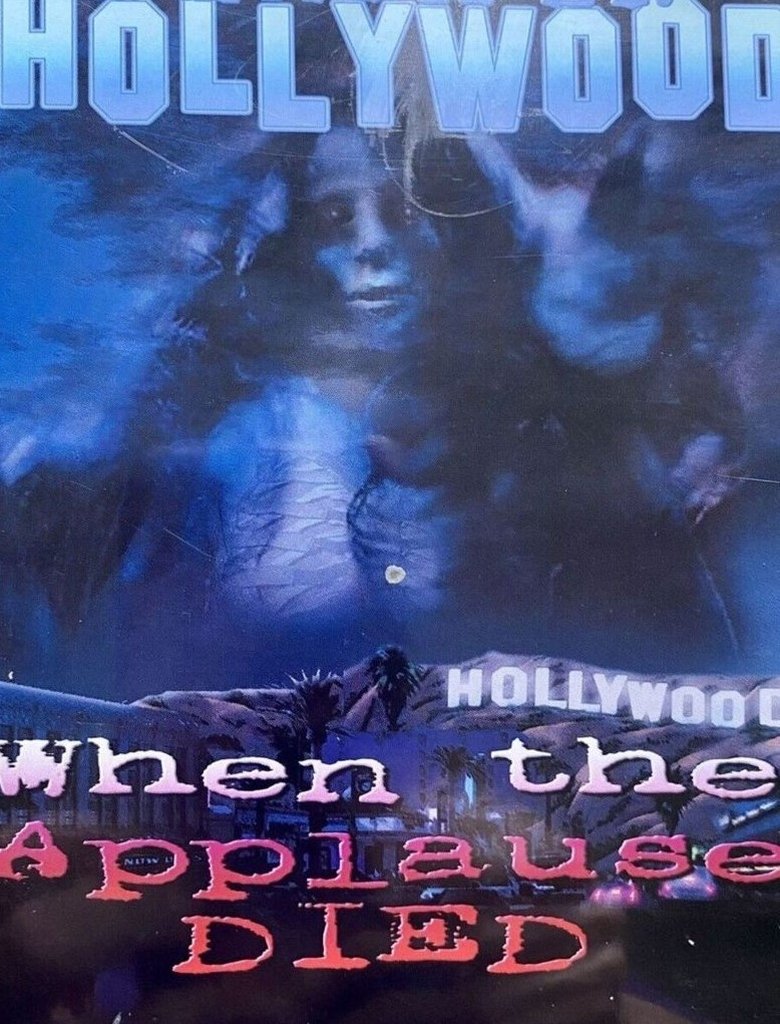
1990
NOT RATEDDirector
Nick Bougas
Runtime
86 minutes
Average Rating
No ratings yetSynopsis
Hollywood's glittering stars and starlets have always been the envy of the movie-going public. With their fame, wealth and lush lifestyles, they epitomize the "good life" we find so glamorous. Yet every pleasure has its price, and sometimes bearing the burden of fame can be an overwhelming task. All too often, celebrities find refuge and solace in a bottle of booze, a vial of pills, or a dirty syringe...and destroy their careers, families, and lives in the process. Through exclusive footage and little known facts, “When The Applause Died” takes an uncensored, shocking look at Hollywood's brightest stars and music's hottest rockers who burned out and faded away due to their own self-abuse.
Overall Score
Limited
Category Breakdown
LGBTQ+ Representation
The film functions as a cautionary exposé on substance abuse. It lacks LGBTQ+ characters or narratives that critique heteronormativity, focusing instead on individual pathology.
Gender Representation
The narrative centers on glamorous lifestyles, often reinforcing traditional gendered perceptions of celebrity. It does not subvert gender hierarchies or deconstruct masculinity and femininity.
Racial & Ethnic Diversity
The documentary focuses on Hollywood stars, reflecting Anglo-centric beauty standards and Western celebrity culture. There is no evidence of intentional racial blending or intersectional depth.
Religious & Cultural Diversity
The film adopts a traditional moralistic lens regarding substance abuse. It functions as a cautionary tale within a standard Western framework rather than offering anti-institutional critique.
Disability Representation
Addiction is framed through the lens of personal failure and self-abuse. The film risks using these struggles as sensationalist devices rather than providing nuanced mental health representation.
Strengths
Areas for Improvement
AI Analysis
This documentary operates as a sensationalist cautionary tale, prioritizing the shocking details of celebrity burnout over progressive social storytelling. The narrative structure adheres to conventional moral frameworks, focusing on the destructive consequences of addiction on careers and families. Representation is largely limited to the homogeneous, Anglo-centric standards of the 1990s Hollywood industry. The film lacks intentionality regarding intersectional identities, instead reinforcing traditional social hierarchies and gendered tropes of fame. Ultimately, the work serves to highlight the perils of the 'good life' through a lens of personal tragedy. It provides little meaningful engagement with diverse identities or systemic social critiques.
1968
1987
2000
2010
2016
2014
2025

2019

2022
2023

2006

1978
No reviews yet. Be the first to share your thoughts on this movie!
Use the rating form above to leave a star rating and optional review.