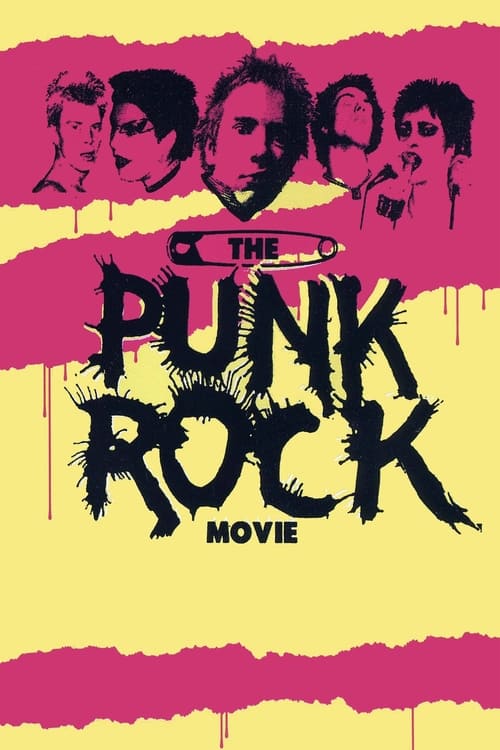
The Punk Rock Movie
1978
No user ratings available yet
Diversity score: 6.6 out of 10
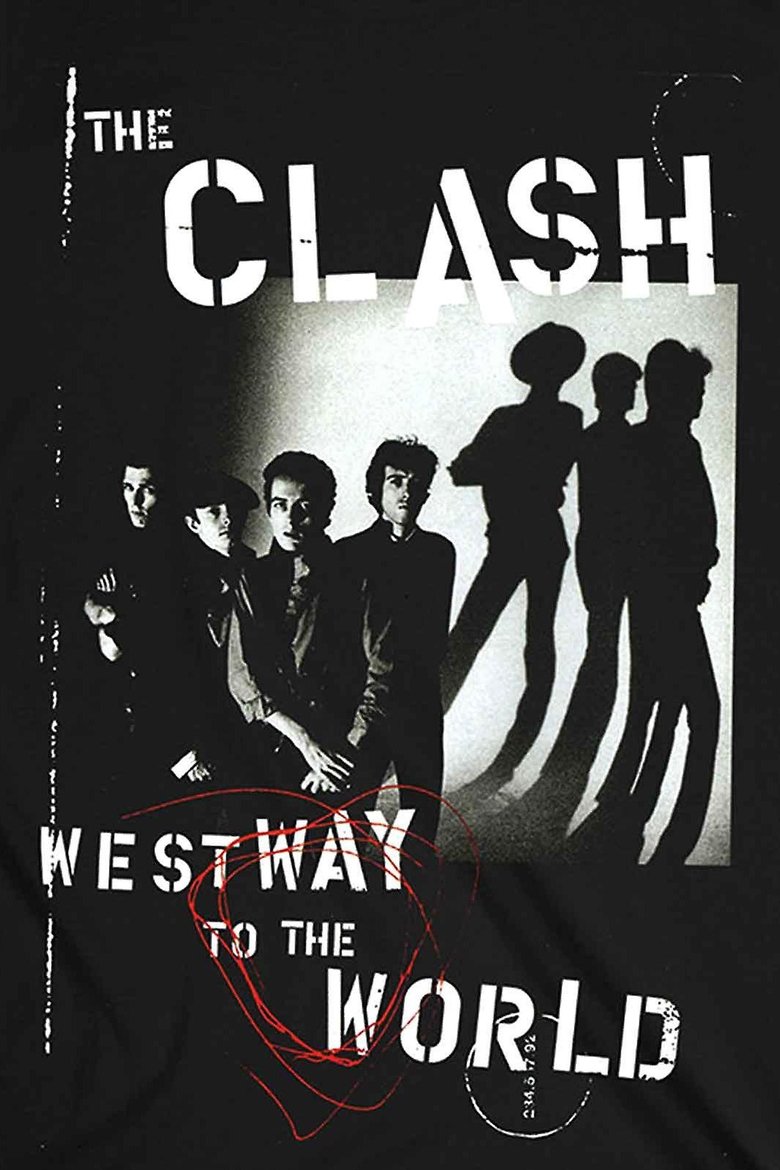
2000
Director
Don Letts
Runtime
80 minutes
Average Rating
No ratings yetSynopsis
A 2000 documentary film about the British punk rock band The Clash. In 2003 it won the Grammy Awards for the best long form music video. Directed by Don Letts, the film combines old footage from the band's personal collection filmed in 1982 when The Clash went to New York with new interviews conducted for the film by Mal Peachey of members Mick Jones, Paul Simonon, Topper Headon, and Joe Strummer and other people associated with the group.
Overall Score
Good
Category Breakdown
LGBTQ+ Representation
The film does not center on queer-specific narratives or LGBTQ+ identities. While the punk era allowed for non-normative gender expression, the focus remains on the band's musical and political evolution.
Gender Representation
The narrative centers on the male members of The Clash and the male-dominated punk scene. It lacks significant agency for female subjects or a structured subversion of gender hierarchies.
Racial & Ethnic Diversity
The documentary excels in depicting multiculturalism by documenting the integration of reggae, ska, and dub into British punk. It highlights Black musicians and the reality of London's multicultural landscape.
Religious & Cultural Diversity
The film critiques traditional Western institutions and frames the band's music as anti-capitalist. It prioritizes a rebellion against authority and traditional social norms through a working-class lens.
Disability Representation
There are no prominent depictions of visible or invisible disabilities that serve as central narrative drivers in this documentary.
Strengths
Areas for Improvement
AI Analysis
Don Letts directs a documentary that successfully disrupts homogeneous Anglo-centric rock history by centering the influence of Caribbean music within the British punk movement. The film's strength lies in its sophisticated handling of racial and cultural intersectionality, portraying music as a tool for social commentary. However, the film remains limited by the era it documents, specifically regarding gender and LGBTQ+ representation. The narrative is heavily anchored in the male-led dynamics of the band and the broader punk subculture, offering little space for female agency or queer-specific storytelling. Ultimately, the film serves as a powerful exploration of how multiculturalism and anti-establishment politics can challenge systemic power structures, even if it does not address all dimensions of identity.
1978
2005
2006

1999

2006
2012

2013
2009
1984
2018
2008

2000
No reviews yet. Be the first to share your thoughts on this movie!
Use the rating form above to leave a star rating and optional review.