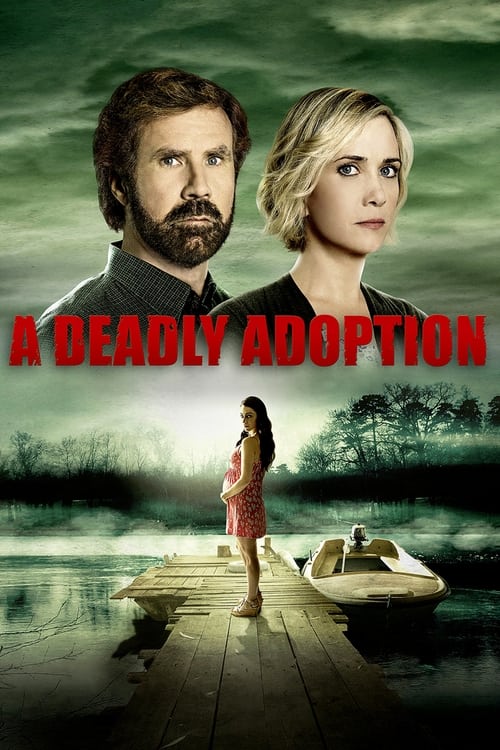
A Deadly Adoption
2015
No user ratings available yet
Representation score: 1.3 out of 10
Representation Score
Limited
2006
RDirector
Steve Antin
Runtime
94 minutes
Average Rating
No ratings yetNew Showbiz Analysis
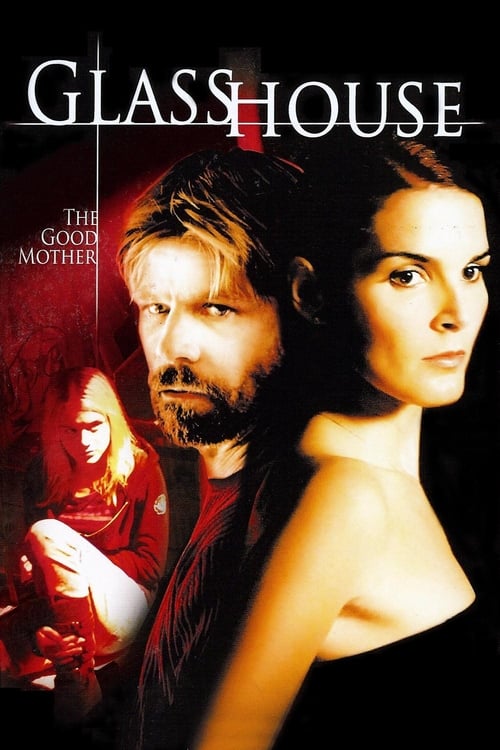
Glass House: The Good Mother operates as a standard psychological thriller that adheres to established genre conventions. The narrative relies on traditional archetypes, such as the unstable maternal figure, to create tension within a domestic setting. While the film features a central female character, it does not use her role to challenge social hierarchies or provide intellectual empowerment. Instead, it utilizes gendered anxieties to drive the suspense. The production lacks depth, presenting a homogeneous view of upper-class Western life. There is little evidence of diverse casting or a meaningful exploration of mental health beyond its use as a narrative tool.
Category Breakdown
The film does not include any LGBTQ+ characters or non-assuming gender matches what was assigned at birth identities. The plot revolves around a traditional nuclear family structure and follows conventional dramatic clichés.
The story centers on a female protagonist whose psychological instability drives the plot. However, it relies on the 'unstable woman' cliché common in thrillers rather than challenging gender hierarchies.
The narrative appears centered on a homogeneous, wealthy household. There is no indication of a diverse cast or the use of casting to challenge historical norms.
The film focuses on individual pathology within the domestic sphere. It does not offer systemic critiques of Western institutions or prioritize diverse cultural perspectives.
Mental instability is used primarily as a plot device to fuel the thriller. The portrayal of Eve Goode leans toward villainous clichés rather than nuanced neurodivergent representation.
Present on Screen
Limited or Absent
Official Synopsis
One year after losing their son David, Eve Goode and her husband Raymond Goode adopt the orphan Ethan Snow (and his teenager sister Abby Snow and bring them to their mansion nearby a lake. Abby faces difficulties of adaptation in her new home, and she confronts Eve, who proves to be deranged and unstable. When Ethan gets sick, Abby tries to contact their friend, detective Ben Koch, and she realizes that her brother and she are trapped in the house.
2015
1965
1996

2007
1993
2001

2018
2007
No reviews yet. Be the first to share your thoughts on this movie!
Use the rating form above to leave a star rating and optional review.