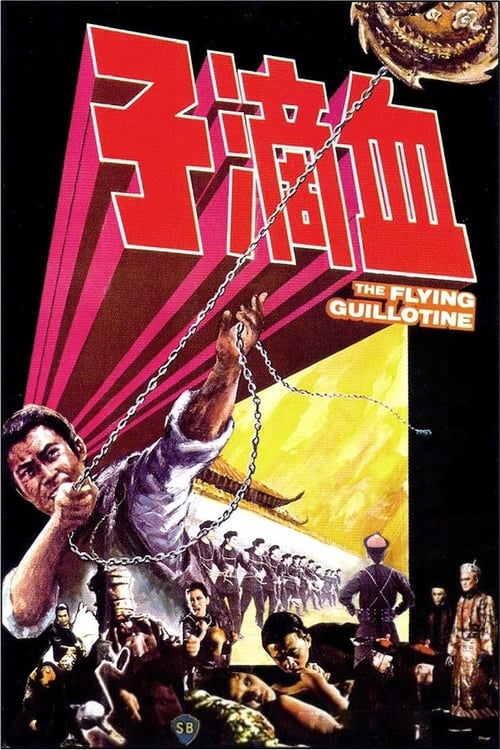
The Flying Guillotine
1975
No user ratings available yet
Diversity score: 4.4 out of 10

1978
Not RatedDirector
Cheng Kang, Hua Shan
Runtime
88 minutes
Average Rating
No ratings yetSynopsis
The emperor's reign of terror expands. Heroic outlaw Ma Teng joins a squad of female rebels, whose leader is torn between family loyalties.
Overall Score
Fair
Category Breakdown
LGBTQ+ Representation
The film lacks explicit LGBTQ+ characters or non-heteronormative identities. The narrative focuses on a traditional heroic struggle without visible queer subtext.
Gender Representation
A squad of female rebels serves as a central narrative pillar. These women act as active agents of political resistance rather than passive supporting figures.
Racial & Ethnic Diversity
The cast is culturally homogeneous, reflecting its Hong Kong production roots. It centers an East Asian identity and historical setting within its own cultural framework.
Religious & Cultural Diversity
The story critiques systemic oppression by framing an emperor's reign as a terror. This positions the rebels as protagonists fighting against corrupt central authority.
Disability Representation
There is no identifiable information regarding the portrayal of physical or neurodivergent disabilities in this work.
Strengths
Areas for Improvement
AI Analysis
Flying Guillotine II offers a compelling look at subverting power structures through its focus on female-led insurgency. By centering a squad of female rebels, the film moves beyond simple gender tropes to explore complex loyalties and political agency. While the film excels in gender representation and systemic critique, it remains limited by a lack of LGBTQ+ visibility and a culturally homogeneous cast. It functions primarily as a traditional genre piece that prioritizes East Asian identity and martial arts tropes. Ultimately, the film's strength lies in its disruption of patriarchal leadership and its portrayal of outlaws fighting imperial tyranny.
1975
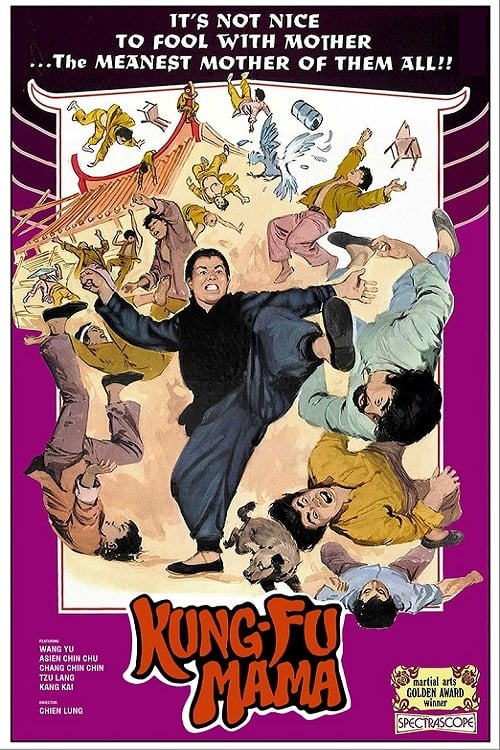
1973
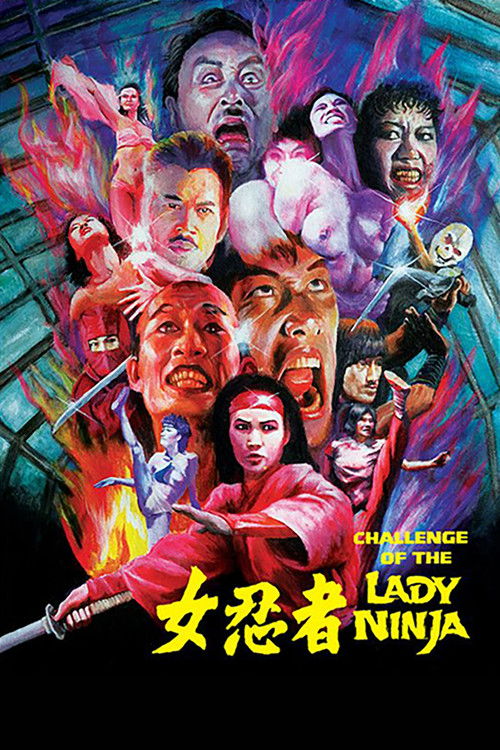
1983
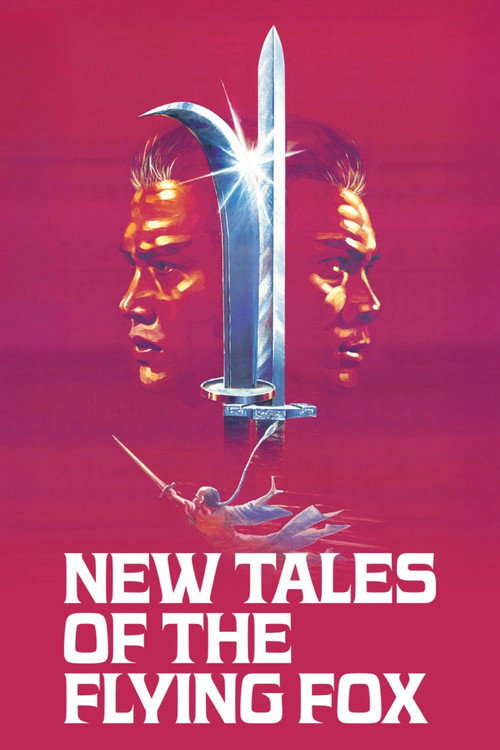
1984

2013

1973

1978

1983

1980
1979

1970
1976
No reviews yet. Be the first to share your thoughts on this movie!
Use the rating form above to leave a star rating and optional review.