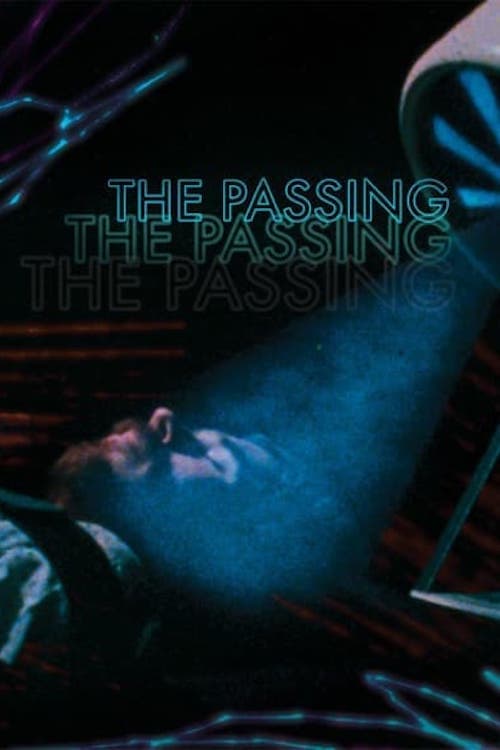
The Passing
1985
No user ratings available yet
Representation score: 4.4 out of 10

Representation Score
Limited
2016
Director
Keith Lynch, David T. Lynch
Runtime
16 minutes
Average Rating
No ratings yetNew Showbiz Analysis
Trial primarily functions as a genre-driven science fiction thriller. Its strongest contribution to diversity is the central role of a character with a physical disability, which provides a level of ability to act often missing in mainstream media. However, the film lacks breadth. The narrative is centered on a male protagonist, and there is no evidence of racial, ethnic, or LGBTQ+ representation. The focus remains on the existential mechanics of mind transfer rather than social or systemic commentary. Ultimately, while the film engages with the concept of bodily autonomy, it lacks the multi-layered depth required for a higher diversity score.
Category Breakdown
The film does not include any visible LGBTQ+ characters or identities. There is no mention of diverse gender expressions or identities within the story.
The story centers around a male corporal. It does not challenge traditional gender hierarchies or subvert typical male leadership roles.
The narrative provides no information about the racial or ethnic backgrounds of the cast or the setting.
The film explores identity instability through mind transfer. This suggests a postmodern approach to the self rather than a critique of specific cultural institutions.
The protagonist is a quadriplegic soldier who gains significant influence through a scientific procedure. This avoids passive clichés, although the narrative’s impact remains to be seen.
Present on Screen
Limited or Absent
Official Synopsis
A pioneering mind transfer procedure offers a quadriplegic soldier the chance of a new life... but at a terrible cost. The corporal finds himself in another part of the science facility with no idea how he got there. These time jumps escalate out of control climaxing with a horrific realization...
1985

2012

2015
2020

2002
2007
2001

2016
No reviews yet. Be the first to share your thoughts on this movie!
Use the rating form above to leave a star rating and optional review.