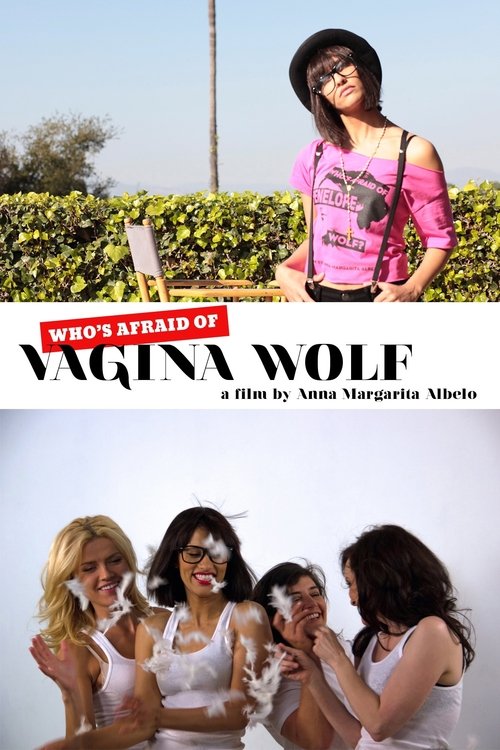
Who's Afraid of Vagina Wolf?
2013
No user ratings available yet
Diversity score: 7.4 out of 10

2007
Director
E.oni
Runtime
100 minutes
Average Rating
No ratings yetSynopsis
32-year-old Seo Jung-wan is a free spirited woman, working as a photographer during the day and at night involved in an intimate relationship with a married man. Although she's in her mid 30's, she has no desire to marry.
Overall Score
Good
Category Breakdown
LGBTQ+ Representation
The film centers on the fluidity of identity and the performance of gender. It uses cross-dressing and sexual identity struggles as primary plot engines to challenge cisnormative expectations.
Gender Representation
Female characters possess significant emotional agency and move beyond traditional archetypes. The narrative disrupts hierarchies by portraying romantic and domestic dynamics as volatile and non-linear.
Racial & Ethnic Diversity
As a culturally specific Japanese production, the cast remains largely homogeneous. The film lacks significant representation of racial or ethnic minorities within its setting.
Religious & Cultural Diversity
The story offers a sophisticated critique of traditional religious institutions and dogma. It prioritizes individual truth and subjective morality over restrictive, singular religious ideals.
Disability Representation
There is no evidence of characters with visible or invisible disabilities serving as central plot devices or being subjected to mockery.
Strengths
Areas for Improvement
AI Analysis
Love Exposure is a transgressive work that excels in its intellectual engagement with identity. It moves beyond surface-level representation by treating gender and sexuality as performative, fluid constructs rather than fixed traits. The film's strength lies in its subversion of institutional authority, particularly religious dogma. It replaces traditional moral binaries with a postmodern relativism that empowers characters to navigate their own truths. However, the film's scope is culturally narrow. While it provides deep social critique within a Japanese context, it lacks racial diversity and does not address disability.
2013

2017

2013

2012

1995
2024
1993
2009

2022
2006
2000
2010
No reviews yet. Be the first to share your thoughts on this movie!
Use the rating form above to leave a star rating and optional review.