
From Subway with Love
2005
No user ratings available yet
Representation score: 2.7 out of 10
Representation Score
Fair
2000
RDirector
Amos Kollek
Runtime
95 minutes
Average Rating
No ratings yetNew Showbiz Analysis
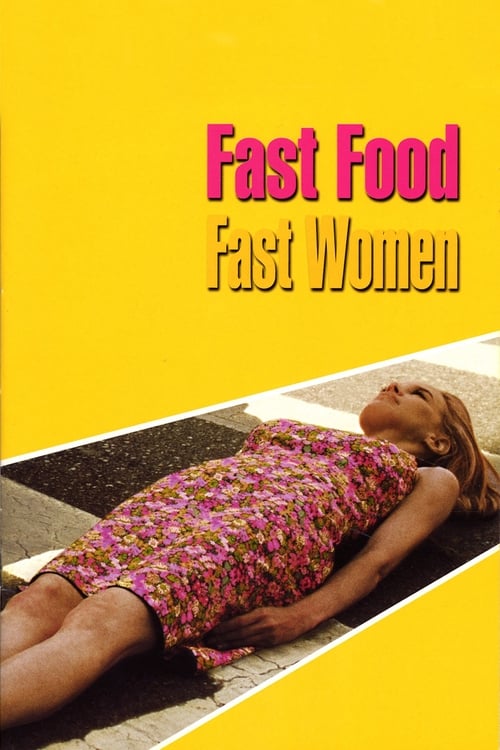
Fast Food Fast Women dismantles traditional romantic milestones and idealized domesticity. By focusing on urban alienation and the messy reality of interpersonal connections, it avoids the rigid formulas of mainstream studio films. The film's strength lies in its character-driven exploration of social roles, prioritizing subjective experiences and moral relativism. However, it lacks visible evidence of intentional racial or LGBTQ+ representation. While it challenges gender hierarchies, the narrative remains centered on a specific urban demographic without broader demographic diversity.
Category Breakdown
The film examines relationships that don't follow traditional structures, such as long-term affairs without formal commitment. While specific identities aren't confirmed, the focus on frequent changes in partners suggests a move away from stable heterosexual relationships.
Bella is shown as an independent woman navigating complex emotions rather than a passive figure. The appearance of a Jungian stripper adds psychological complexity, disrupting traditional views of femininity.
The story centers on a specific Manhattan community without clear evidence of a diverse or non-Anglo-Saxon majority. The cosmopolitan setting hints at intersecting social layers, but there is no clear subversion of racial stereotypes.
The film questions traditional courtship and Western social structures. It highlights situational ethics and the complexities of modern, secular urban life over singular religious frameworks.
There is no indication of characters dealing with physical, neurodivergent, or mental health disabilities.
Present on Screen
Limited or Absent
Official Synopsis
How important is the truth when falling in love? Bella is a Manhattan café waitress, about to turn 35, stuck in a long-term affair going nowhere. Paul is a widower, facing old age alone. Bella's mother sets her up with Bruno, a novelist/cabbie who likes to bed-hop and whose ex-wife expects their two children to stay with him for awhile. While Bruno learns some maturity from his young daughter, Paul answers a personals ad placed by a "widow, 60." The two couples - along with one of Paul's older pals and a Jungian stripper - sort out how to initiate a relationship these days, what to do when someone you like disappoints you, and when to tell the truth.
2005

1997
1999
2006

2008

1971
2011
1998
No reviews yet. Be the first to share your thoughts on this movie!
Use the rating form above to leave a star rating and optional review.