The Reckoning: Hollywood's Worst Kept Secret
2018
No user ratings available yet
Representation score: 7.5 out of 10
Representation Score
Fair
2018
TV-14Director
Minh Collins
Runtime
65 minutes
Average Rating
No ratings yetNew Showbiz Analysis
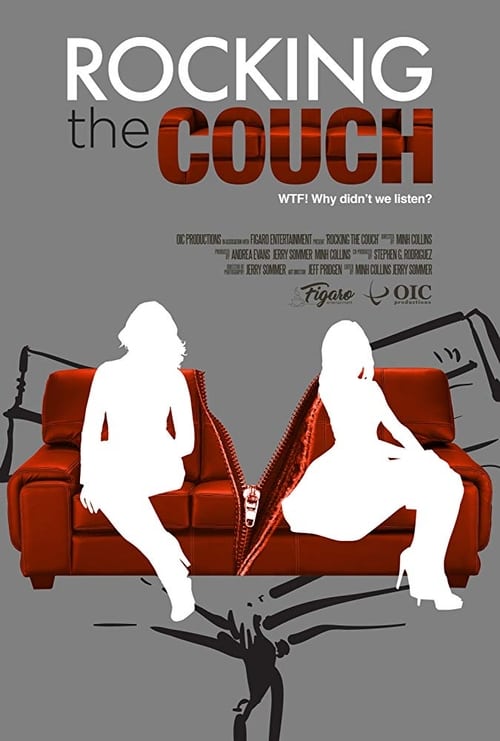
Rocking the Couch serves as a focused study of institutional accountability and the dismantling of traditional power hierarchies. Its primary strength lies in the centering of women's ability to drive the story, specifically through the historical lens of the 1992 Wallace Kaye case. This approach disrupts the standard narrative of women as mere victims of Hollywood's corruption. However, the film's impact is limited by a lack of visible the way different parts of someone's identity overlap. While the gendered critique is robust, the absence of information regarding racial, ethnic, or LGBTQ+ identities prevents a more comprehensive assessment of its diversity. The documentary excels at challenging patriarchal structures but leaves other social dimensions unexplored. Ultimately, the film is a targeted critique of systemic misconduct. It uses historical precedent to examine contemporary professional hierarchies, making it a significant piece for those interested in gendered power dynamics and the evolution of the #MeToo movement.
Category Breakdown
The film focuses on the #MeToo movement and sexual misconduct allegations involving high-profile men. There is no explicit evidence of LGBTQ+ identities or non-straight relationships within the provided context.
The documentary highlights the active role of women in challenging patriarchal structures. By focusing on twelve actresses who contested Wallace Kaye, it portrays women as key drivers of systemic change rather than passive victims.
The film addresses systemic issues within Hollywood, but the specific racial or ethnic backgrounds of the twelve actresses are not detailed. multi-layered identities remain unverified in the available information.
The narrative critiques the Hollywood studio system and legal frameworks that protected powerful individuals. It frames the casting couch as a systemic tool of oppression used to maintain established industry norms.
There is no information available regarding the representation of neurodivergence or physical disabilities. The documentary's focus remains on institutional misconduct and gendered power dynamics.
Present on Screen
Limited or Absent
Official Synopsis
Hollywood titans, Harvey Weinstein & Bill Cosby, have been brought to their knees by the #MeToo movement. The term casting couch has existed for decades in Hollywood, but in 1992, a case against talent agent, Wallace Kaye, was brought to court by 12 unknown actresses, who braved the loss of their careers, privacy & Hollywood dreams. Against all odds, they won, and no one listened, until now.
2018
2015
2019
2022
2018

2016
2018
2022
No reviews yet. Be the first to share your thoughts on this movie!
Use the rating form above to leave a star rating and optional review.