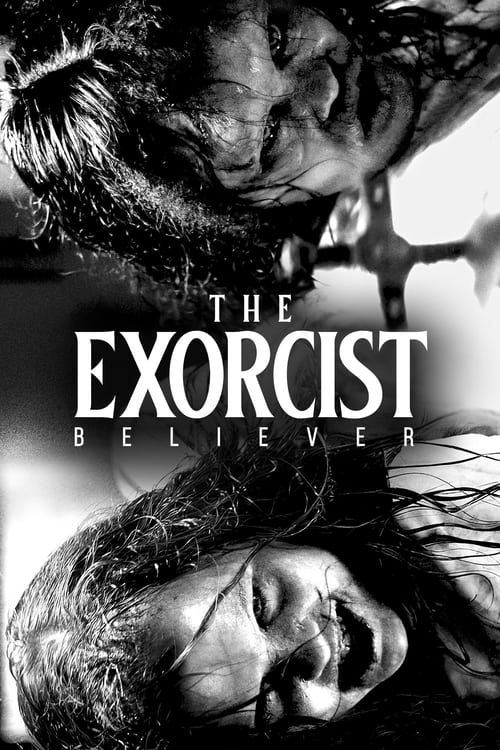
The Exorcist: Believer
2023
No user ratings available yet
Representation score: 5.1 out of 10
Representation Score
Fair
2027
Director
Mike Flanagan
Average Rating
No ratings yetNew Showbiz Analysis
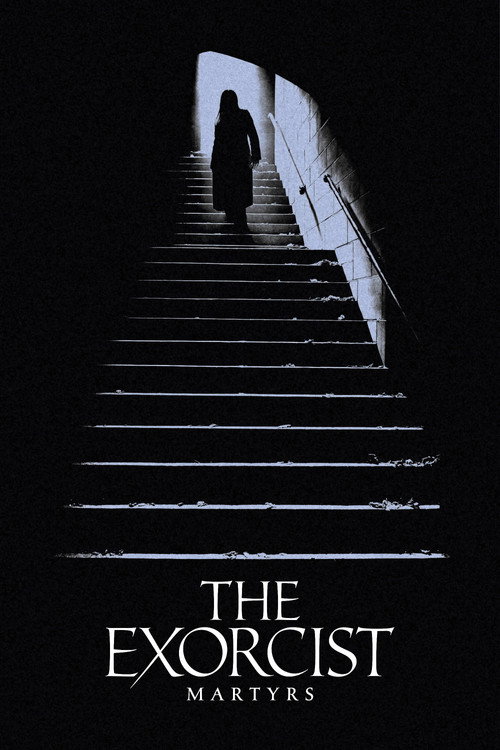
The film opens on a hospital bed, a woman’s face tight with fear, establishing the physical toll of the supernatural before the exorcism begins. This image sets the tone for a horror film that treats faith not as a quick fix, but as a grueling endurance test. The sold meaning is clear: the secular detective, Julie Miller, is the hero, but her victory is not banishment—it is survival. The camera loves her exhaustion, framing her brokenness as moral integrity. The film’s argument pulls against its own logic. It presents a world where reason fails and faith endures, yet it refuses to mock the faith of its characters. The priests, played by Chiwetel Ejiofor and Laurence Fishburne, are not caricatures but the film’s steady hand. Their presence inverts the traditional white priest trope, making their faith the stable ground in a chaotic world. The demon is not a specific person or group, but a universal force of chaos that the human characters must contain through suffering. The ending is the moral verdict. Julie Miller stands in the ruins of a church, holding a crucifix, walking away into the fog. She is not healed; she is broken. The camera pulls back, showing her small against the vast, indifferent landscape. This final image rewards endurance over exorcism. The film does not promise a cure, but it offers a way to bear the weight. In a genre that often mocks faith, *The Exorcist: Martyrs* treats it as a real, terrifying, and ultimately necessary force.
Category Breakdown
No queer characters or relationships appear in the cast or plot. The narrative relies on a straight nuclear family and heteronormative detective dynamics.
Julie Miller is the secular lead, yet the camera treats her endurance as the moral core. Mary Miller is the emotional center, not a passive victim. Men serve as support or obstacles.
Chiwetel Ejiofor and Laurence Fishburne are the primary priests, replacing the traditional white clergy default. Their faith is portrayed as the film’s stable moral anchor, not a token.
Christian faith is the ultimate solution; the crucifix is a literal weapon. The nuclear family is the site of horror but also the source of strength. Police and rural authority are practical, not villainous.
The possessed body is a vessel for trauma, not a character trait. The horror focuses on psychological and physical toll without exploring disability as identity or lived experience.
Present on Screen
Limited or Absent
Official Synopsis
Thirteen years ago, New York City detective Julie Miller ended the terror reign of satanic serial killer Father Sunday. The case made her a hero, and she has thrown herself into her work ever since. Now a new killer scrawls her name in an altar boy's blood on the walls of a church crypt, dragging her back into the darkness she believed she had buried with him.
2023
1977
2017

1990
2017
2024

2022
2010
No reviews yet. Be the first to share your thoughts on this movie!
Use the rating form above to leave a star rating and optional review.