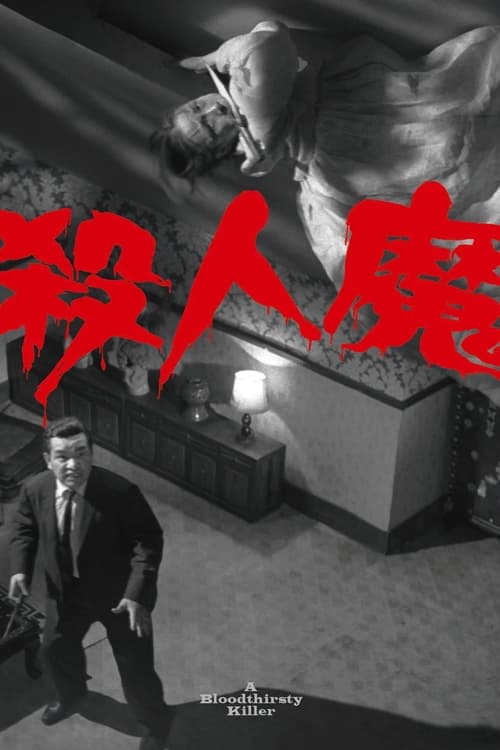
A Bloodthirsty Killer
1965
No user ratings available yet
Representation score: 1.3 out of 10
Representation Score
Fair
1967
Director
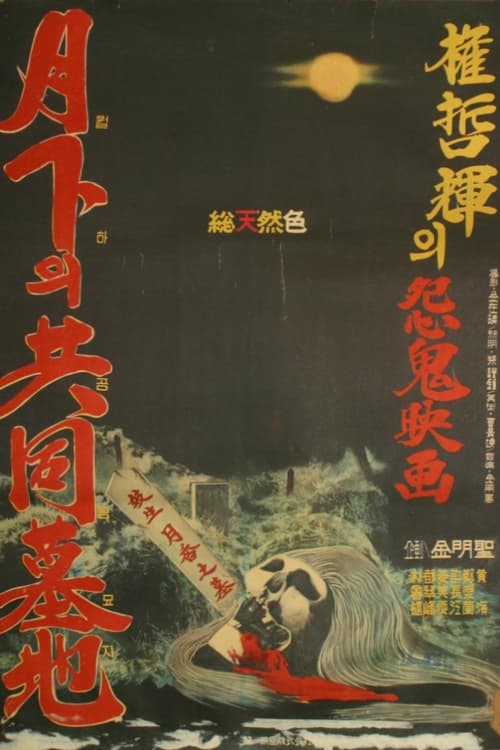
Kwon Cheol-hwi
Runtime
87 minutes
Average Rating
No ratings yetNew Showbiz Analysis
The film employs the vengeful ghost cliché to explore domestic power dynamics and social hierarchies. It transcends simple horror to critique the fragility of social standing and systemic injustice within the family unit. Though lacking modern markers of diversity, the film provides a meaningful disruption of traditional victimhood narratives. The protagonist's supernatural transformation serves as a central thematic pillar. Ultimately, the film stands as a transitional piece of genre cinema that examines moral relativism through the lens of domestic betrayal.
Category Breakdown
The film centers on traditional heterosexual marriages and mother-in-law relationships, without any indication of queer or non-cisgender identities.
Wol-ha evolves from a victim of a patriarchal marriage to an active force of retribution. Her supernatural transformation grants her a significant role in driving the story, challenging traditional submissive female roles.
As a South Korean production, the film provides a culturally specific, non-Western perspective. Despite an ethnically homogeneous cast, it offers a unique narrative lens outside of Western dominance.
The story deconstructs idealized Confucian family structures by presenting family members as villains. It favors a subjective, karmic justice system over singular institutional morality.
The narrative does not include any characters with visible or invisible disabilities that affect their storylines or plot progression.
Present on Screen
Limited or Absent
Official Synopsis
Kisaeng Wol-ha marries Kim Han-su, but soon dies because of a false accusation made up by her mother-in-law and very own servant. Now, the ghost of Wol-ha wants revenge!
1965

1999
2001

1973
1958

2013
1964
2003
No reviews yet. Be the first to share your thoughts on this movie!
Use the rating form above to leave a star rating and optional review.