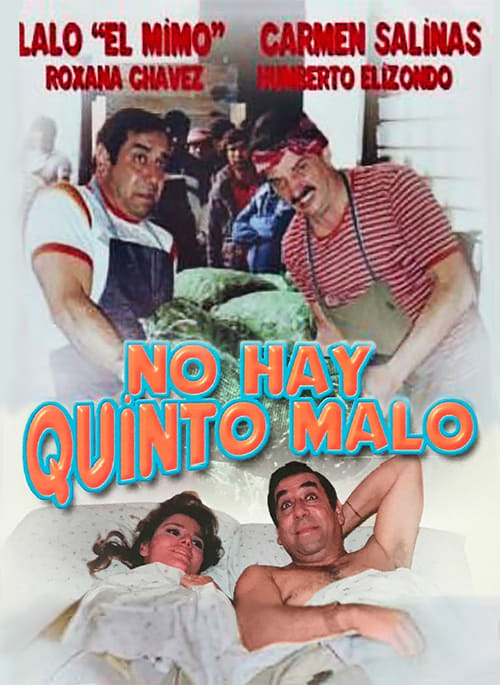
No hay quinto malo
1990
No user ratings available yet
Representation score: 2.6 out of 10
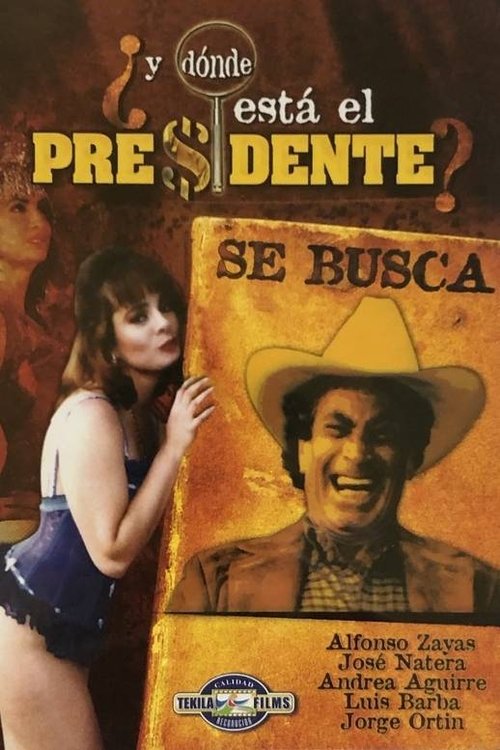
Representation Score
Fair
1995
Director
José Loza
Runtime
88 minutes
Average Rating
No ratings yetNew Showbiz Analysis
José Loza’s satire serves as a postmodern fable that critiques centralized authority in Mexico. The film’s impact comes from its systemic critique rather than individual identity overlaps. The narrative structure prioritizes a critique of the state, using a collective journey to highlight institutional weaknesses. This makes the search for leadership an exercise in absurdity. While the film lacks explicit LGBTQ+ or gender-challenging elements, its strong racial authenticity and sophisticated critique of authority make it valuable as political commentary.
Category Breakdown
The film does not include clear LGBTQ+ character stories or non-straight identities. The story focuses on socio-political themes and the lack of strong leadership.
The story emphasizes political themes over challenging gender roles. While it avoids reinforcing patriarchal dominance, it does not focus on specific female or gender-related issues.
The film features a mainly Mexican cast that accurately represents the local population. It centers the narrative on the Mexican experience and the country's political situation.
The film effectively uses satire to criticize Western-style institutionalism and the myth of the 'strong leader'. It highlights the perceived corruption of state institutions.
There is no indication that disability plays a central role or serves as a plot device in the film.
Present on Screen
Limited or Absent
1990

1995
1989

2017

2005
2011
1985

1992
No reviews yet. Be the first to share your thoughts on this movie!
Use the rating form above to leave a star rating and optional review.