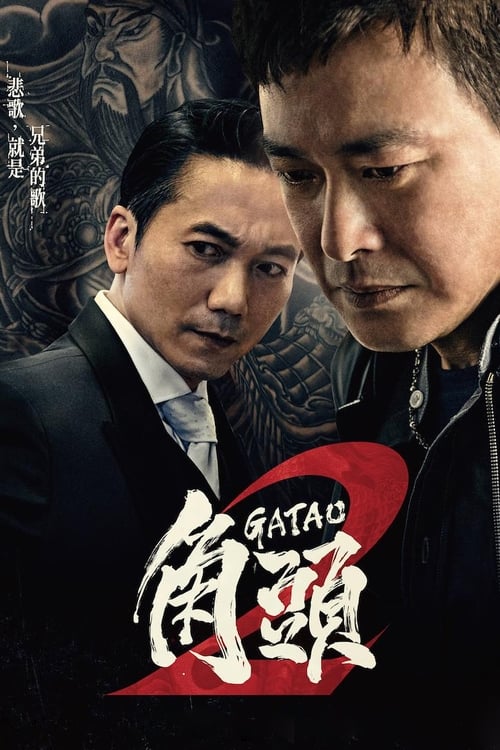
Gatao 2: Rise of the King
2018
No user ratings available yet
Representation score: 4.4 out of 10
Representation Score
Fair
2006
Not RatedDirector
Jang Jin
Runtime
126 minutes
Average Rating
No ratings yetNew Showbiz Analysis
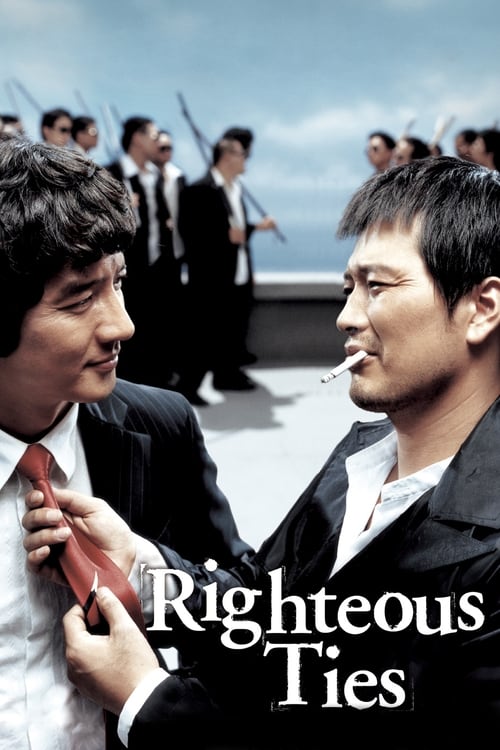
Righteous Ties provides a distinct South Korean perspective that challenges Western-centric cinematic norms. Using Jang Jin's signature absurdist humor, the film deconstructs traditional masculine archetypes and the rigid hierarchies common in the crime genre. However, the film remains limited by its heavy reliance on male-dominated environments. The narrative focus on gangster hierarchies and prison life results in minimal female roles and a lack of explicit multi-layered identity markers. Ultimately, the film succeeds in providing cultural specificity and subverting genre clichés, even if it stays within a relatively narrow demographic scope regarding gender and sexual orientation.
Category Breakdown
The film doesn't show any explicit LGBTQ+ identities or same-sex relationships. It focuses on traditional male friendships and loyalties within a criminal world. There's no clear critique of the assumption that everyone is straight or cisgender.
The story mainly revolves around male-dominated spaces like gangster hierarchies and prisons. While humor might challenge tough-guy stereotypes, the main roles remain with male characters. Women play minor roles in this context.
As a South Korean production, the film features a predominantly non-Western cast. It avoids Western casting norms, focusing on local social structures and offering a unique cultural perspective that challenges global cinema norms.
The film questions traditional loyalty and the betrayal of established hierarchies. By portraying the protagonist as a victim of systemic betrayal, it explores personal morality and critiques rigid social structures within a regional context.
There is no evidence that characters with visible or invisible disabilities are central to the plot. Such characters are not used as specific narrative devices in the provided documentation.
Present on Screen
Limited or Absent
Official Synopsis
After learning his boss betrayed him, a mob lackey plans to break out of prison and take revenge.
2018

1999

2006
2006

1999

2011

2013
2007
No reviews yet. Be the first to share your thoughts on this movie!
Use the rating form above to leave a star rating and optional review.