
Gatao
2015
No user ratings available yet
Representation score: 5.3 out of 10

Representation Score
Limited
1999
RDirector
Andrew Goth
Runtime
97 minutes
Average Rating
No ratings yetNew Showbiz Analysis
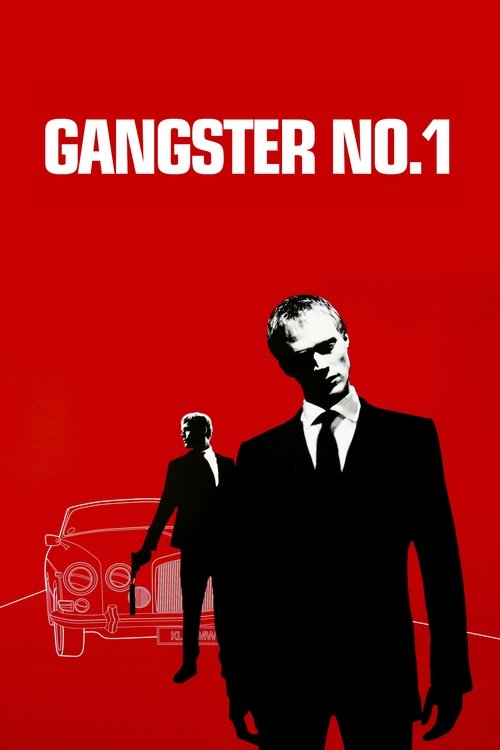
Everybody Loves Sunshine operates as a traditional crime drama centered on the friction between two male protagonists. The narrative architecture prioritizes masculine archetypes of leadership and obsession, focusing on the cyclical nature of criminal loyalty. While the film avoids a purely homogeneous setting by incorporating Triad elements, it lacks multi-layered complexity. The representation of women and other underrepresented groups remains minimal or undefined, keeping the focus on a narrow demographic lens. Ultimately, the film functions within a conventional genre framework. It explores themes of retribution and transformation but does not engage with broader social or demographic diversity.
Category Breakdown
The film does not include any visible LGBTQ+ characters or narratives. The central romantic interest revolves around Ray and Clare, but there is no evidence of non-straight relationships.
The story is driven by male-centric power dynamics and fraternal bonds. While Clare acts as a catalyst for Ray, her role and influence remain undefined within a predominantly masculine framework.
The inclusion of the Triads suggests a multi-ethnic criminal landscape. However, the depth of this representation is unclear, and the setting moves beyond a purely homogeneous framework.
The narrative focuses on the moral ambiguity of gang life and revenge. It prioritizes situational ethics and loyalty over a critique of specific cultural or religious institutions.
There is no indication of characters with visible or invisible disabilities. The film does not feature neurodivergent representation.
Present on Screen
Limited or Absent
Official Synopsis
Gang leaders Ray and Terry, who are cousins and lifelong friends, always trusting and relying on each other, have been in prison. Ray doesn't want to be a gangsters anymore, having also fallen for Clare. But Terry, driven by an obsession beyond friendship, is determined to make sure that Ray never leaves the gang. During their time in prison, the Triads have grown stronger and more daring, eventually killing a member of Terry and Ray's gang. Revenge is called for and the gang turns to them for direction.
2015
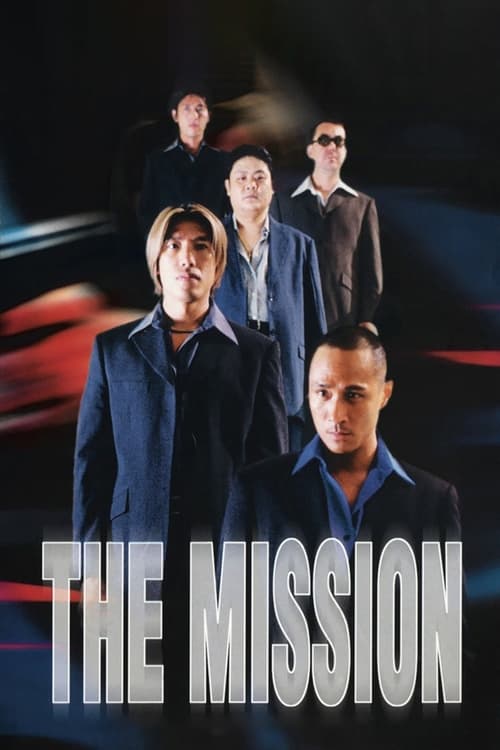
1999
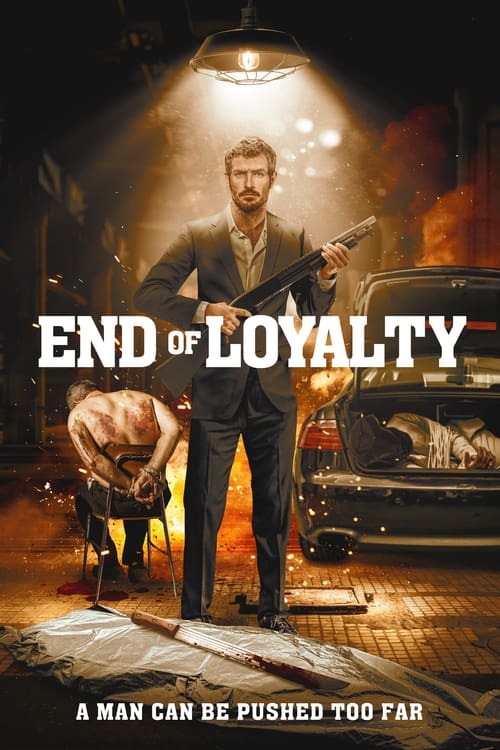
2023
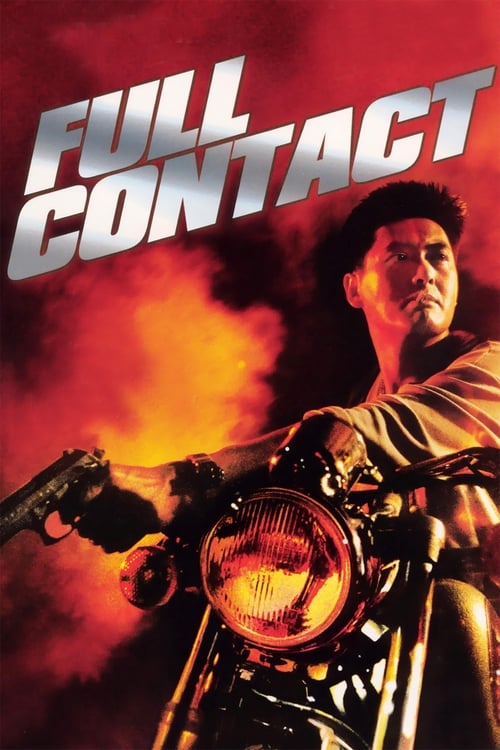
1992
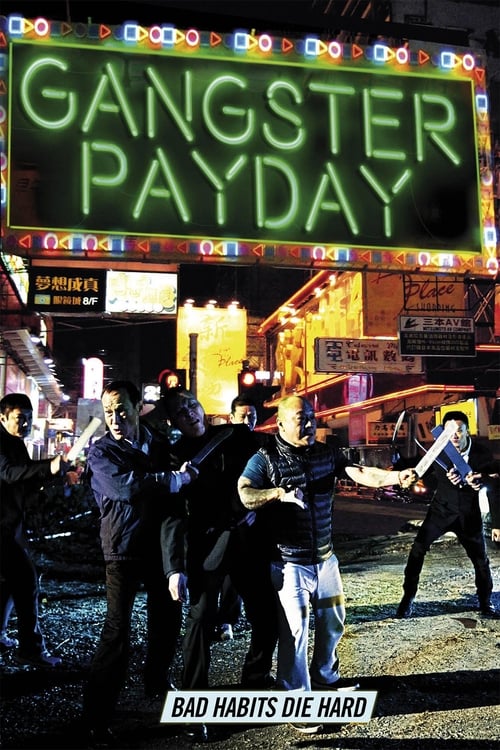
2014
1992

2015
2000
No reviews yet. Be the first to share your thoughts on this movie!
Use the rating form above to leave a star rating and optional review.