Horses on Mars
2001
No user ratings available yet
Diversity score: 3.8 out of 10
2012
Director
Yuzuru Tachikawa
Runtime
30 minutes
Average Rating
No ratings yetSynopsis
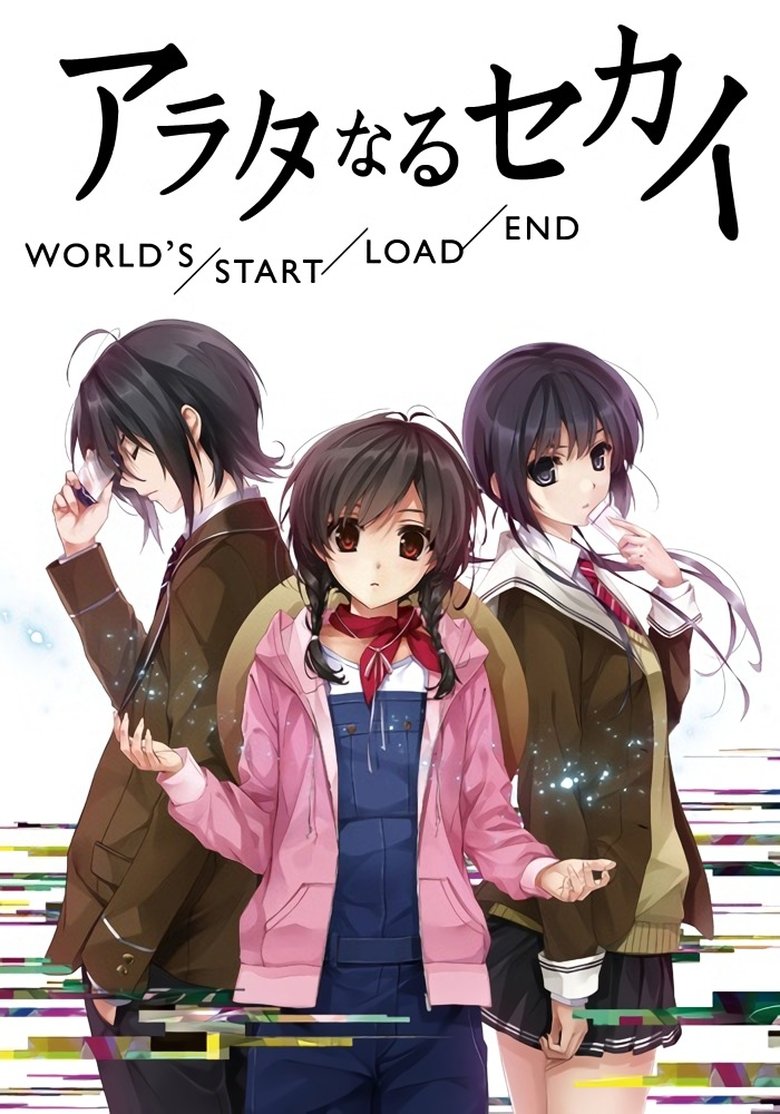
Four high school girls in uniforms walk silently on the barren earth. These girls are time travelers who had been sent 6000 years into the future, from their present in which the same day is endlessly repeated, in order to evade human extinction. They studied time travel in school, were examined by the aptitude test, and were sent to the future as told. What should they do now? They had no idea. The only thing they could take with them from the present was a light, toy-like cellphone. Of course, it receives no signal here. As the girls are walking, they see strange birds flying in the sky, and a discolored river in the distance. Then, one girl finds an abandoned house, and recognizes the name inscribed on the front gates. * A mixed-media project by Iruma Hitoma, who wrote the novel, created the story for the manga version, scripted the anime, and penned the lyrics for the music.
Overall Score
Fair
Category Breakdown
LGBTQ+ Representation
The film centers on a female-led ensemble in a post-apocalyptic setting. While specific identities aren't confirmed, the absence of traditional societal structures allows for potential subtextual explorations of intimacy.
Gender Representation
The narrative disrupts conventional tropes by centering female agency in a survivalist sci-fi context. By removing traditional male leadership, the film effectively subverts patriarchal power dynamics and hierarchies.
Racial & Ethnic Diversity
Information regarding the ethnic composition of the cast is limited. The story focuses on the existential condition of humanity rather than explicit racial discourse or diverse casting.
Religious & Cultural Diversity
The setting critiques traditional institutions like family and government by placing characters in a post-humanist landscape. It prioritizes a subjective, existential morality over established social norms.
Disability Representation
There is no evidence within the narrative to indicate the presence of characters with visible or invisible disabilities.
Strengths
Areas for Improvement
AI Analysis
The film is a highly centralized, idiosyncratic work driven by the singular vision of Iruma Hitoma. It prioritizes personal thematic exploration over commercialized tropes, resulting in a narrative that feels deeply personal and non-traditional. While the work excels at subverting gender hierarchies by placing female agency at the forefront of a survivalist journey, it remains silent on other social dimensions. The lack of visible racial or disability representation limits its broader social impact. Ultimately, the film functions as an existentialist study. It succeeds in creating a space free from traditional patriarchal structures, even if it lacks explicit data on diverse identity markers.
2001

2013
1998
2013
1985
2009

2017
2017
2011
2001
No reviews yet. Be the first to share your thoughts on this movie!
Use the rating form above to leave a star rating and optional review.