Smile Pretty
2009
No user ratings available yet
Diversity score: 4.0 out of 10
2001
Director
Harry Bromley Davenport
Runtime
98 minutes
Average Rating
No ratings yetSynopsis
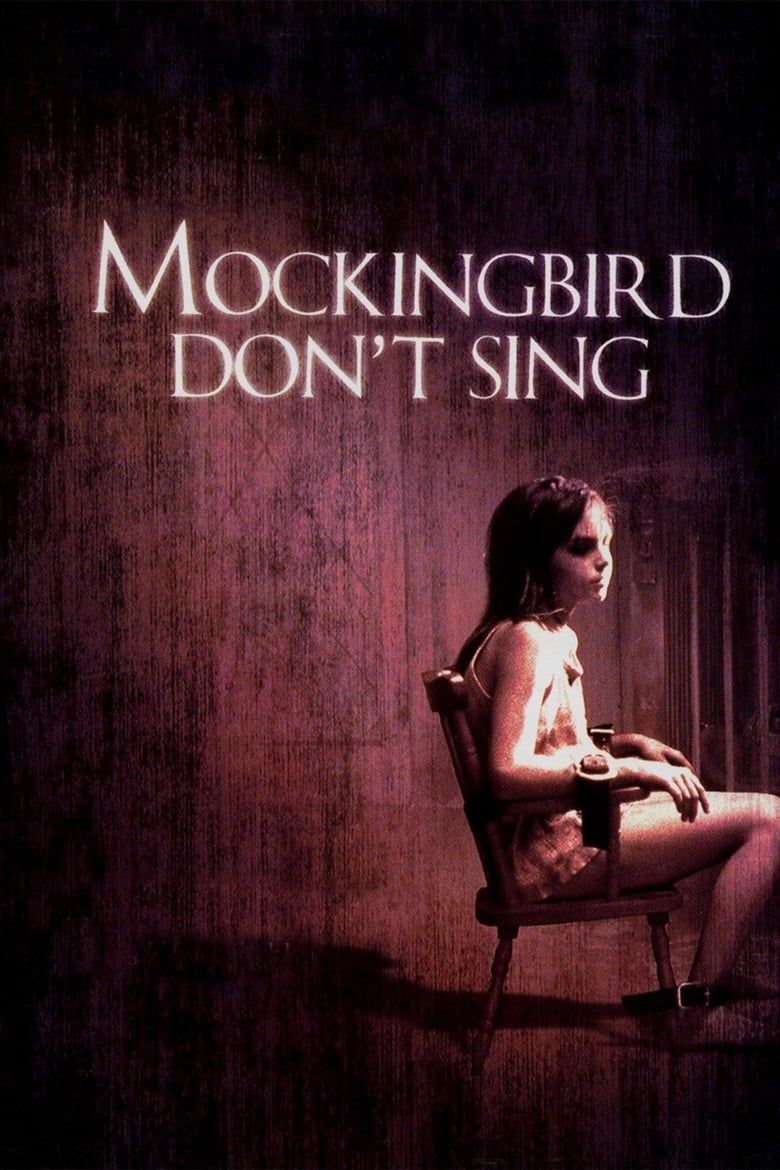
The tragic true story of one of the worst cases of child abuse ever documented (in which a girl was locked in a room without social contact for nearly thirteen years) and what happened when she was finally rescued.
Overall Score
Fair
Category Breakdown
LGBTQ+ Representation
The film lacks LGBTQ+ characters or narratives addressing non-cisnormative identities. The focus remains strictly on a historical true-crime tragedy involving child abuse and legal proceedings.
Gender Representation
A female protagonist holds central narrative importance. While she is the focus, her agency is initially stripped by extreme isolation and systemic failures within patriarchal structures.
Racial & Ethnic Diversity
Set in the 1960s American South, the film uses a diverse cast to reflect the era's segregated society. It critiques the intersection of race and justice within a Jim Crow framework.
Religious & Cultural Diversity
The narrative critiques traditional Southern social institutions and 1960s legal systems. It explores the failures of community and family institutions to protect the vulnerable.
Disability Representation
The protagonist's psychological trauma from isolation touches on invisible mental health conditions. However, the portrayal risks using her condition primarily as a plot catalyst.
Strengths
Areas for Improvement
AI Analysis
Mockingbird Don't Sing is a period drama that finds its strength in interrogating historical systemic injustices. By exposing the failures of familial and legal institutions in the 1960s, the film disrupts the notion of a stable social order. The film's engagement with diversity is rooted in its historical setting rather than modern identity-driven subversion. It provides meaningful commentary on racial and gendered vulnerabilities within the American South. However, the work lacks representation for LGBTQ+ and neurodivergent communities. The narrative remains grounded in traditional biographical drama, which limits its scope of social critique.
2009
2013
2006
2014

2010
2021

2016

2010

2017
2012
2006
2017
No reviews yet. Be the first to share your thoughts on this movie!
Use the rating form above to leave a star rating and optional review.