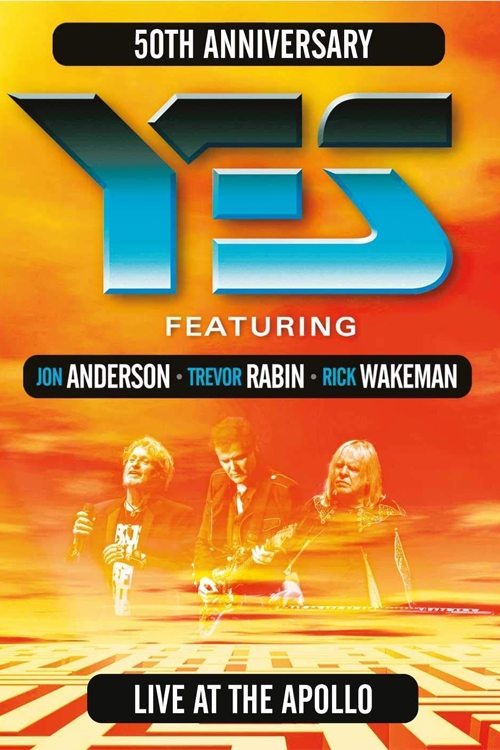
Yes - Live at the Apollo
2018
No user ratings available yet
Representation score: 3.3 out of 10
Representation Score
Minimal
2007
Director
Julian Nicole-Kay
Runtime
137 minutes
Average Rating
No ratings yetNew Showbiz Analysis
This concert film is a technical document of a specific musical moment rather than a narrative exploration of identity. It captures the classic lineup of Yes delivering a high-energy performance, but its scope is narrow. The production lacks depth, focusing strictly on the technical proficiency of a historically homogeneous group. Consequently, it does not engage with diverse social or cultural perspectives. While it succeeds as a musical archive, the film offers almost no representation of gender, race, or LGBTQ+ identities, resulting in a low diversity profile.
Category Breakdown
The documentary focuses solely on the musical performance of the band. There are no depictions of LGBTQ+ characters or non-cisgender identities within the performance or the audience.
The film features an all-male lineup of musicians. It lacks women's ability to drive the story or the presence of women on stage to balance the masculine focus of the performance.
The ensemble is predominantly white, reflecting the specific demographic of the progressive rock genre. The recording does not showcase significant racial or ethnic diversity among the performers.
The film serves as a celebration of musical legacy and technical mastery. It avoids social critique, focusing instead on the discipline and craft of professional artistry.
There is no evidence regarding the portrayal of visible or invisible disabilities. No characters are presented through the lens of disability or used as plot devices.
Present on Screen
Limited or Absent
Official Synopsis
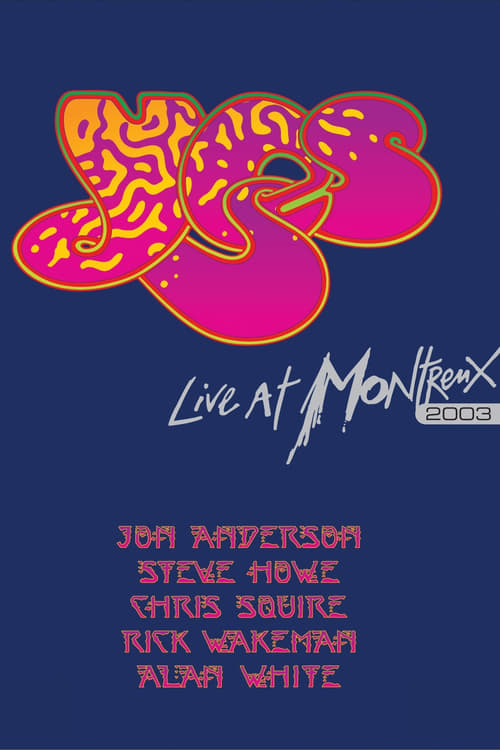
In 2003, the band made their first appearance at the Montreux Festival, despite having a long association with the town itself (they recorded there frequently in the 70s). It was a triumphant night and is regarded by both the band members and fans as probably the finest Yes gig ever to be filmed. The classic line-up includes Jon Anderson, Steve Howe, Chris Squire, Rick Wakeman, and Alan White. Prog-rockers Yes return to the stage in this 2003 performance at the Montreux Festival. Though decades may have passed since the group's heyday in the 1970s, Jon Anderson, Steve Howe, Rick Wakeman, Chris Squire, and Alan White have lost none of their edge. Laying into deep cuts like "Siberian Khatru," "Long Distance Runaround," and "I've Seen All Good People," this group of grizzled legends delivers a smoldering rock performance.
2018
2011
2002
2007

2015
2002
2005
2006
No reviews yet. Be the first to share your thoughts on this movie!
Use the rating form above to leave a star rating and optional review.