An Affair
1998
No user ratings available yet
Representation score: 5.2 out of 10
Representation Score
Fair
2003
Director
E J-yong
Runtime
124 minutes
Average Rating
No ratings yetNew Showbiz Analysis
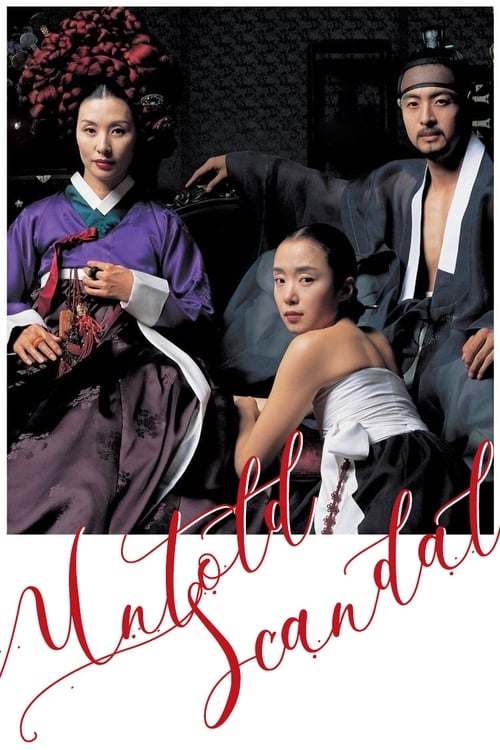
Untold Scandal successfully deconstructs traditional social hierarchies. By focusing on Lady Cho's strategic actions, the film overturns the typical submissive portrayal of women in historical dramas, giving her significant intellectual and emotional ability to act. While the film excels in cultural depth and gender subversion, it remains confined by its historical setting. The uniform cast and emphasis on heterosexual romance limit broader diversity. Ultimately, the film's strength lies in its moral relativism. Using the Joseon era, it critiques institutional hypocrisy, allowing characters to reclaim personal ability to act.
Category Breakdown
The story focuses on a heterosexual relationship and explores the complexity of desire without featuring same-sex intimacy or non-cisgender identities as central elements.
Lady Cho stands out as a key figure who drives the conflict. She exhibits strong ability to act, using her intellect to manipulate male characters for her own purposes.
Set during the Joseon Dynasty, the film showcases a culturally uniform cast. While this reflects the historical context, it limits the diversity of representation.
The film challenges strict Confucian traditions by highlighting the subjective truths of its characters. It depicts courtly institutions as performative and ultimately unstable.
There are no prominent depictions of physical or neurological disabilities in the film.
Present on Screen
Limited or Absent
Official Synopsis
In late 1700s Korea, Lady Cho challenges the playboy Lord Jo-won into seducing and sleeping with her husband's coming young, virgin concubine. Lady Cho agrees to sleep with him if he succeeds.
1998

1992
2014

2018

2000

1989
2000

1988
No reviews yet. Be the first to share your thoughts on this movie!
Use the rating form above to leave a star rating and optional review.