Grand Central Murder
1942
No user ratings available yet
Representation score: 0.4 out of 10
Representation Score
Minimal
1945
NRDirector
Charles David
Runtime
94 minutes
Average Rating
No ratings yetNew Showbiz Analysis
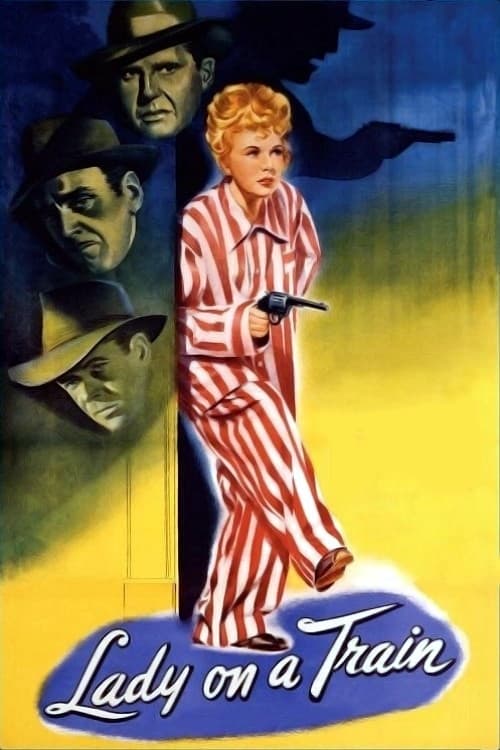
In Lady on a Train, the female protagonist takes the lead in solving a mystery, providing a platform for her active role. However, this empowerment is limited by the societal norms of the 1940s, which emphasize a homogeneous cast and lack of representation for LGBTQ+ and disabled individuals.
Category Breakdown
The film does not include any non-straight identities or same-sex relationships. The focus is on traditional heterosexual romances typical of 1940s films.
Nikki Collins uses her intelligence to start a criminal investigation, breaking the stereotype of the helpless female observer. However, male authority figures doubt her abilities, and potential suitors navigate social situations.
The film has a cast that is homogeneous for the time period. There is no indication of diverse racial backgrounds or non-white main characters.
The story follows traditional mid-century social norms without challenging systemic issues. It presents a standard mystery-romance format.
The film does not feature any characters with visible or hidden disabilities. There is no representation of neurodivergent individuals or the use of disability as part of the story.
Present on Screen
Limited or Absent
Official Synopsis
While watching from her train window, Nikki Collins witnesses a murder in a nearby building. When she alerts the police, they think she has read one too many mystery novels. She then enlists a popular mystery writer to help her solve the crime on her own, but her sleuthing attracts the attentions of suitors and killers.
1942
1961
1950
1941
1944
1944
1945

1944
No reviews yet. Be the first to share your thoughts on this movie!
Use the rating form above to leave a star rating and optional review.